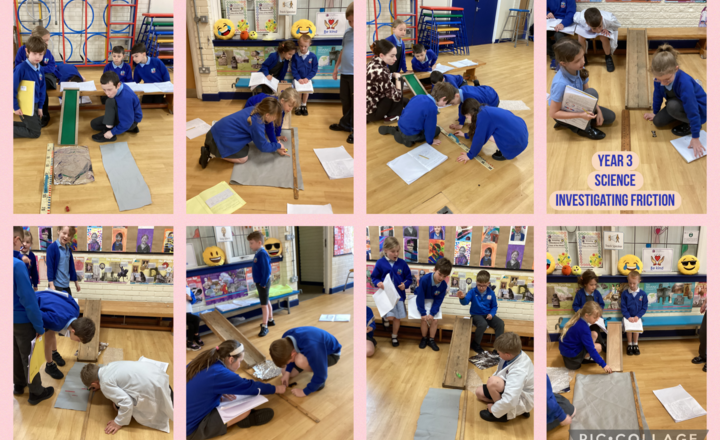
Year 3 - Science Investigators: Testing Friction!
In Science, the children worked in small groups to investigate friction. Using ramps and various materials, they tested how different surfaces affect how far a car or object travels. It was great to see them making predictions and working together to see which surfaces created the most friction and which were the smoothest.
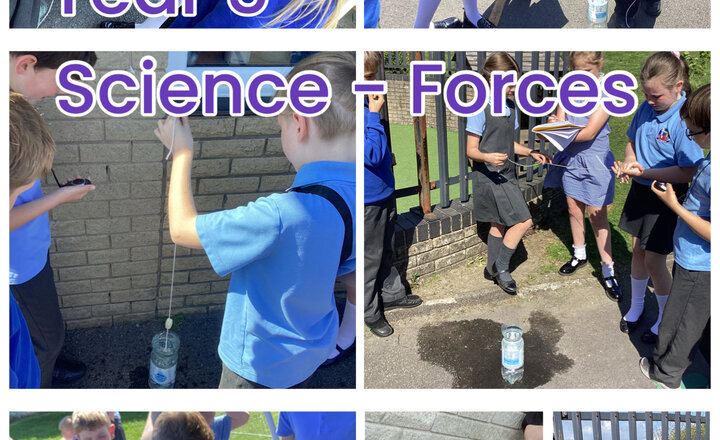
Year 5 - Science
We explored the effect of water resistance in today’s science lesson. First we defined water resistance as a form of friction caused by moving through water and considered how swimmers and sea life are adapted to aquatic travel. We then made different shapes using plasticine and timed how quickly they moved through a 2 litre bottle of water. We found that narrow pointed objects move faster than wide flat objects due to their small surface area making them streamlined.
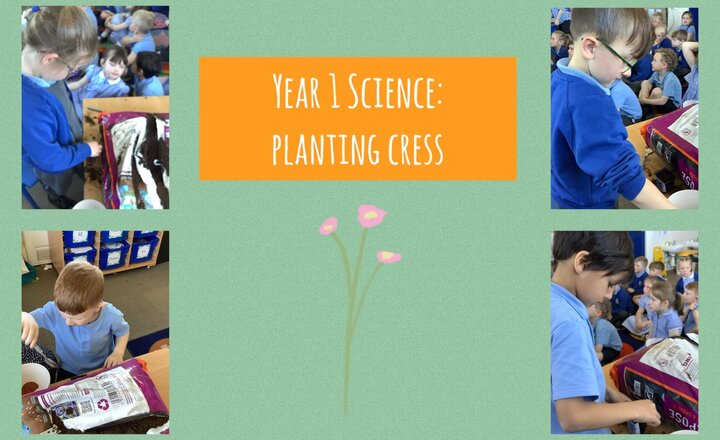
Year 1 Science: Planting Cress
On Friday, Year 1 planted some cress seeds. We used our instructions from the day before to help us. Over the next few weeks, we will be monitoring the growth of the cress and recording information into our Cress Diaries.
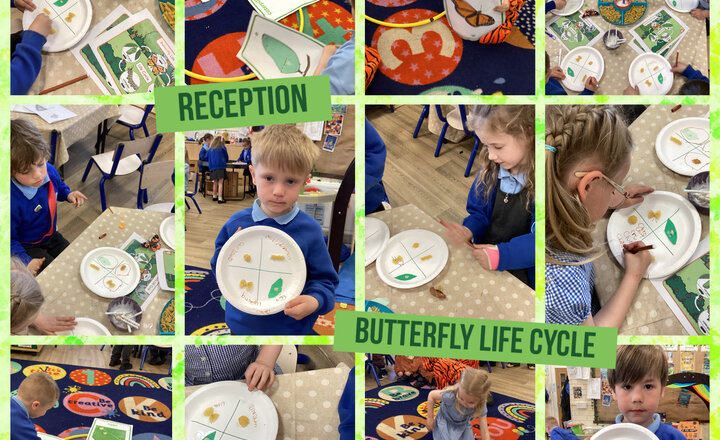
Reception Butterfly Life Cycle
Our Reception children have soared into their science lessons this week by physically and creatively exploring the four stages of the butterfly life cycle. The classroom came alive as the children used their bodies to act out the transformation, curling up as tiny eggs, wiggling like hungry caterpillars, holding still as dormant chrysalises, and finally fluttering their arms as emerging butterflies. Following this energetic role-play, the children applied their knowledge to a hands-on craft project, using paper plates and various pasta shapes to create a visual map of the cycle. This multisensory approach helped our youngest learners grasp the concept of metamorphosis in a fun and memorable way.
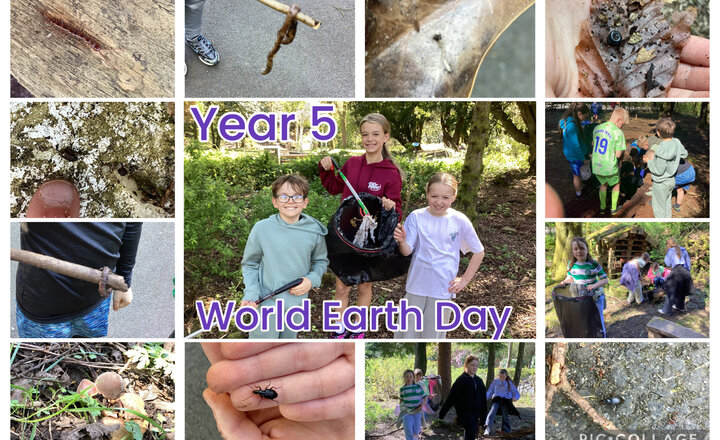
Year 5 - World Earth Day
To celebrate World Earth Day, Year 5 visited Whitehall Park. We learned about the many invertebrate species that live in the soil, wood, leaves and plants and were able to identify and categorise animals such as worms, beetles, centipedes, wood lice and many more. While we were there, we picked up as much litter as we could find. The more we learn about our planet, the more we understand how we impact it in both positive and negative ways.
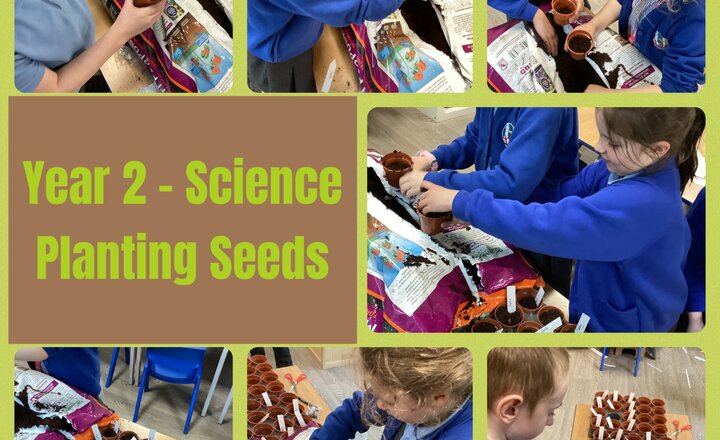
Year 2 - Science - Planting seeds
Year 2 have been planting seeds. We will give the seeds all of the things that they will need to grow well.
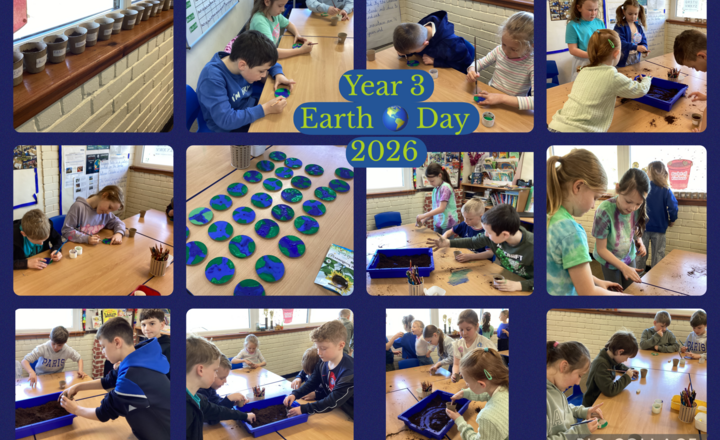
Year 3 Celebrating Earth Day 2026
To celebrate Earth Day, the children came to school dressed in earth colours like green, blue, and brown. It was a wonderful way to show our respect for the planet! Throughout the day, we took part in some fantastic hands-on activities. First, we made wooden coasters representing the Earth. For this project, we used recycled wooden wheels because using reclaimed materials helps us protect our forests and reduces waste, which is exactly what Earth Day is all about. The children also took part in planting sunflower seeds. This was a particular highlight because it gave everyone a chance to get their hands in the soil and connect with nature. They especially enjoyed the feeling of responsibility that comes with nurturing a living thing. These sunflowers will be very useful for our Science topic next half-term, as the children are starting their plant diaries this week to track how their seedlings grow.
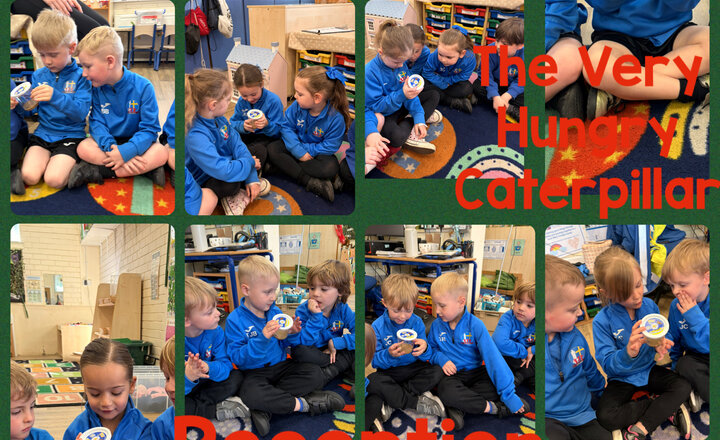
Reception: The Very Hungry Caterpillar
It has been an incredibly exciting week in Reception class as we dive into the wonderful world of Eric Carle’s The Very Hungry Caterpillar. To bring the story to life, we are thrilled to welcome some very special guests—our very own tiny caterpillars right here in the classroom! The children have been busy becoming mini-scientists, learning all about what these creatures eat, how they grow, and the fascinating stages of their life cycle. We even did some counting to discover exactly how many legs they have! There is a real sense of wonder in the air, and we truly can’t wait to watch the magic of nature unfold before our very eyes as they begin their transformation.
Year 5 - Science
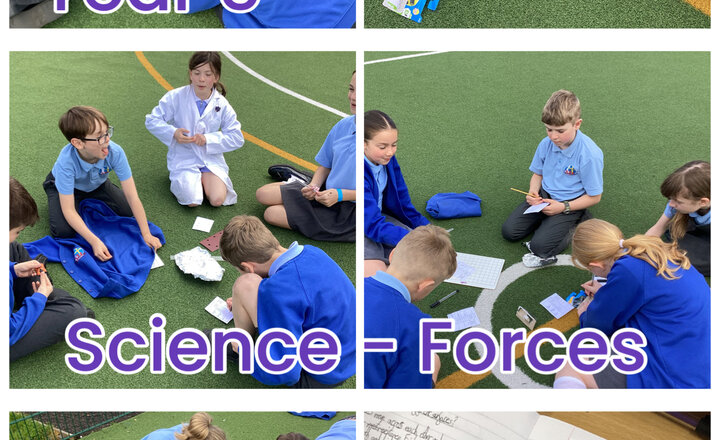
In Science, we took advantage of the good weather and went outside to conduct our experiments on the different levels of friction materials can produce. At first, we defined friction as a contact force that opposes movement and can generate heat. Then we measured how much push a toy car needs to move when resting on tin foil, sandpaper and fabric. The children found that the fabric created the most friction because it is rough, creating more contact with the car’s wheels.
.jpeg)
Reception: Muddy Monday
What a wonderful "Muddy Monday" for our Reception class! The children had a fantastic time exploring the outdoors at Jacks Key Reservoir, keeping their eyes peeled and ears open for the first signs of Spring. It didn't take long for our mini-explorers to spot vibrant yellow daffodils peeking through the grass and delicate blossoms beginning to bloom on the trees. Looking up, we were treated to a beautiful blue sky filled with fluffy white clouds, while the air was alive with the cheerful sound of birds tweeting. To top off our adventure, we even spotted some butterflies fluttering by, confirming that Spring is truly on its way. We are so blessed to have this right on our doorstep!
Mad Science After School Club- Exploring the Forces of Motion
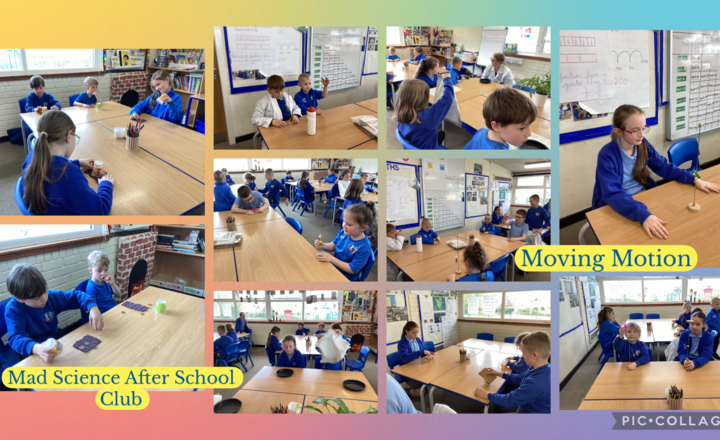
In today’s After School Mad Science Club, our scientists explored the fascinating laws of physics through several "Mad Scientist" challenges. The children investigated gravity and inertia by successfully pulling tablecloths from under dishes, proving that objects at rest prefer to stay at rest. We also held exciting woodpecker races, where the students learned how vibration and friction allow a wooden bird to "peck" its way down a wire. Additionally, the children mastered the art of moving coins across fabric without touching them, using clever vibrations to overcome friction. The children had so much fun throughout the afternoon and are already buzzing with excitement for our next session!
Year 6 - Science
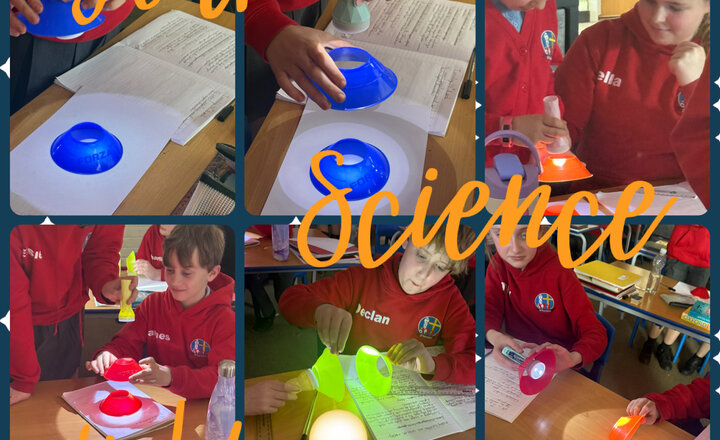
Today in Science, our Year 6 pupils explored how light travels and how different objects can affect its path. Through a hands-on investigation, the children used cones to model how light travels in straight lines. By carefully adjusting the position of the cones, they observed that light does not bend around objects, helping them to understand key concepts such as how shadows are formed and why we cannot see through opaque materials. The children worked collaboratively, making predictions, testing their ideas and discussing their observations using scientific vocabulary. It was fantastic to see their curiosity, teamwork and critical thinking skills in action throughout the lesson.
.png)