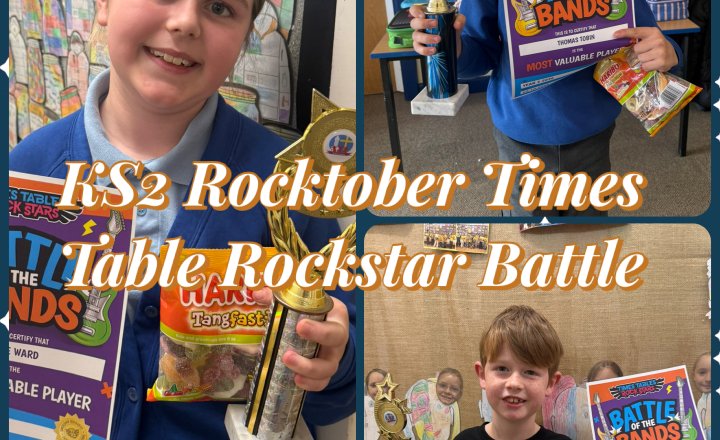
KS2 Times Table Rockstar Battle
A huge well done to our KS2 champions! A massive congratulations to Lottie, James, Thomas and Charlie, our October Times Table Rock Stars Battle champions! Your hard work, dedication and fantastic times table skills have shone through. Keep up the brilliant work and continue to rock those times tables!
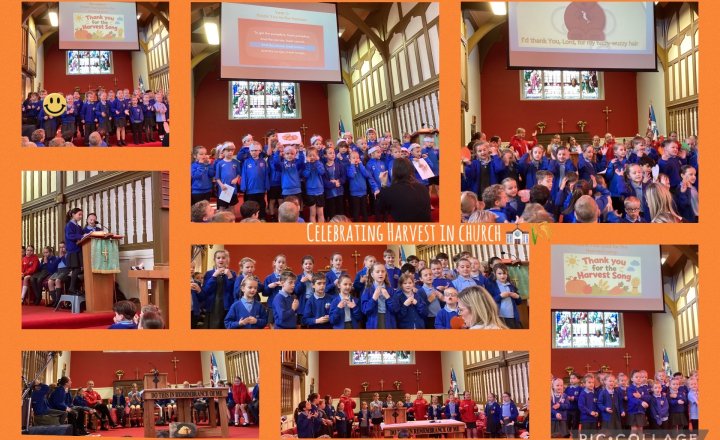
Whole School Harvest Celebration
This morning, we celebrated Harvest with a very special worship service at St Barnabas Church, led by our wonderful WOW group and Mrs Araujo. It was a joyful celebration filled with singing, gratitude and reflection. A huge well done to Reception, Year 1 and Year 3, who did a tremendous job of sharing what they have been learning in their RE lessons. Reception bravely opened our worship by singing ‘Thank You for the Harvest’, followed by Year 1, who expressed their gratitude to our farmers for all their hard work with a lovely rendition of ‘Thank You to the Farmers’. We also heard from Year 3, who shared beautiful prayers expressing their gratitude for all that we have, as well as leading us in a shared prayer using Makaton. We are incredibly proud of all the children for their thoughtful contributions. This year, we are supporting DARE, RotaKids and The Bishop’s Appeal. A heartfelt thank you to our school community for your generosity in donating non-perishable food items and pre-loved winter coats. Your kindness and support make a real difference to others. Looking ahead, please remember that we will be taking part in the Big Barney’s Assault Course Challenge on Friday 6th November to raise money for the Jehovah Rapha Healthcare Centre in Liwolo. The funds raised will help ensure that people can access essential healthcare. We would be very grateful if you could ask family and friends to sponsor your child and support us in this important mission. Finally, thank you for your continued support throughout this half-term. We wish all our families a wonderful and restful half-term holiday!
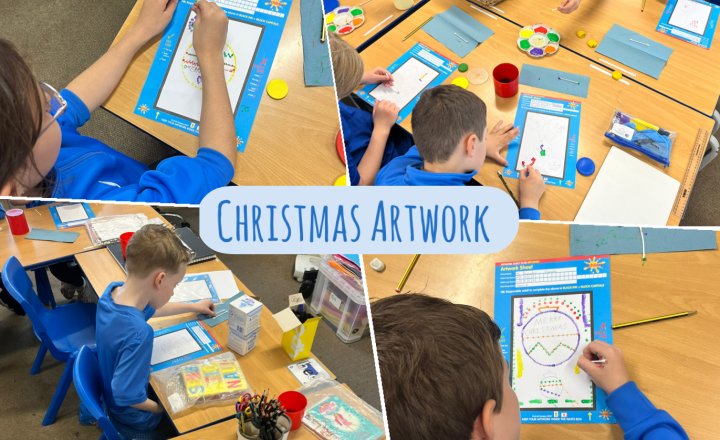
Christmas Artwork in Year 4
This week our children have been creating some mini masterpieces ready for the ‘My Child’s Art’ fundraiser. We decided to decorate baubles by using Pointillism where small dots are made using ear buds and paint. The children used a variety of colours and the end pieces look great!
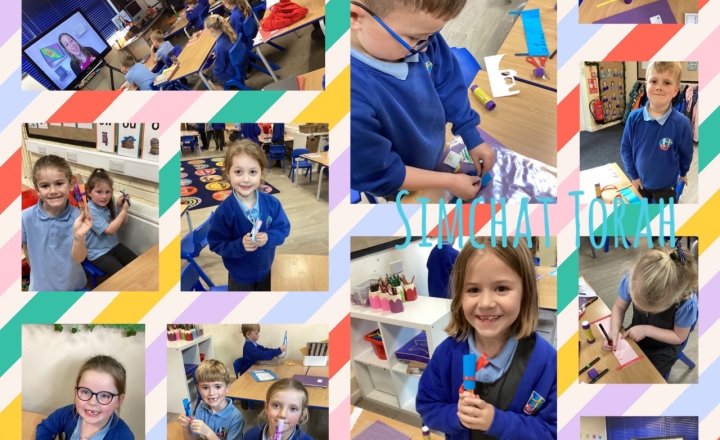
Year 2 RE- The Torah
This week in RE, Year 2 explored the Jewish Holy Book, the Torah scroll, discovering how it is read in the synagogue and treated with the utmost respect. The children also learned about Simchat Torah, the annual celebration that marks the completion of the yearly Torah reading cycle, and enjoyed participating in their own Simchat Torah-style festivity. Well done, Year 2!
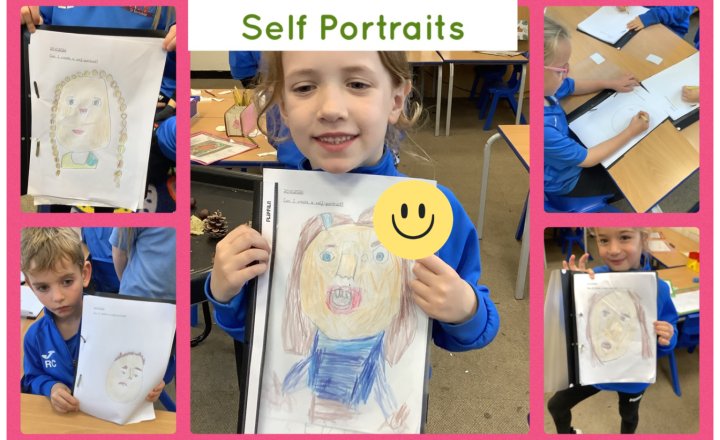
Year 1 Art: Final Self-Portrait
Year 1 made their final self-portraits, which turned out really well. They used their drawing skills, using organic shapes, colouring skills and observational skills to try and create a realistic portrait.
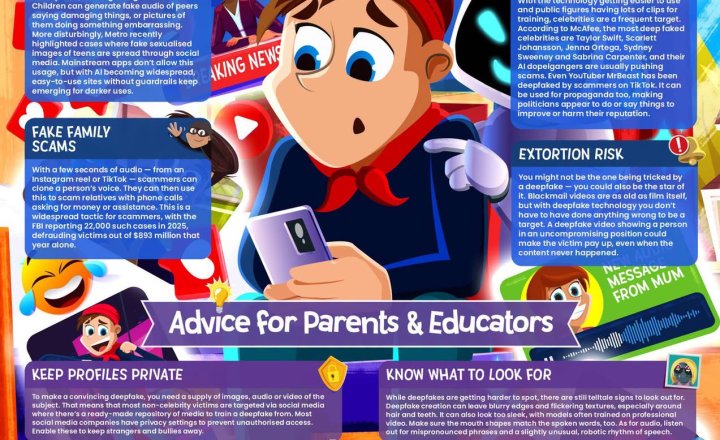
Online Safety: Deepfakes
Deepfakes can make it appear that someone has said or done something they haven’t, using AI to create increasingly convincing fake images, videos and audio. As this technology becomes easier to access, children and young people may encounter risks ranging from online bullying and impersonation to scams and fabricated explicit content. Our latest #WakeUpWednesday guide explores: • AI-enabled bullying • Cloned voices and fake family scams • Bogus celebrity endorsements • Fabricated images and videos • Extortion and digital blackmail It also offers practical advice for parents and educators on recognising warning signs, protecting personal information and talking to young people about responsible AI use. Read the guide here: https://vist.ly/5pady #Safeguarding #OnlineSafety #Deepfakes #ArtificialIntelligence
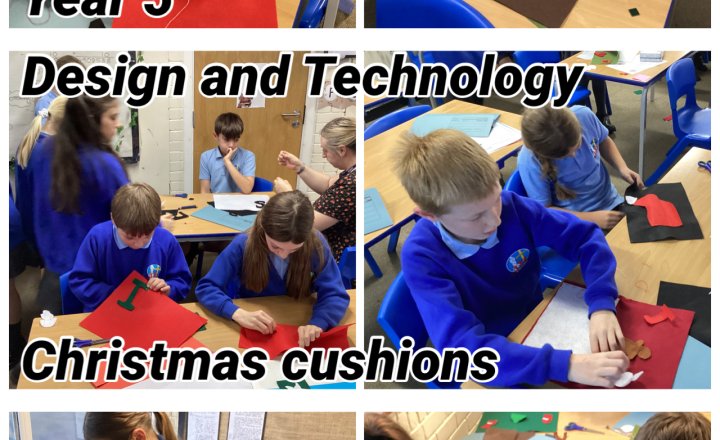
Year 5 - Christmas Cushions
Today we started our big Design and Technology project, making our cushions for the Christmas fair. We started by planning and drawing the shapes the cushion will be decorated with. This included Christmas trees, stars, presents and snowmen. The children cut the shapes out of felt and began practising the running stitch, sewing the decorations onto their cushion covers.
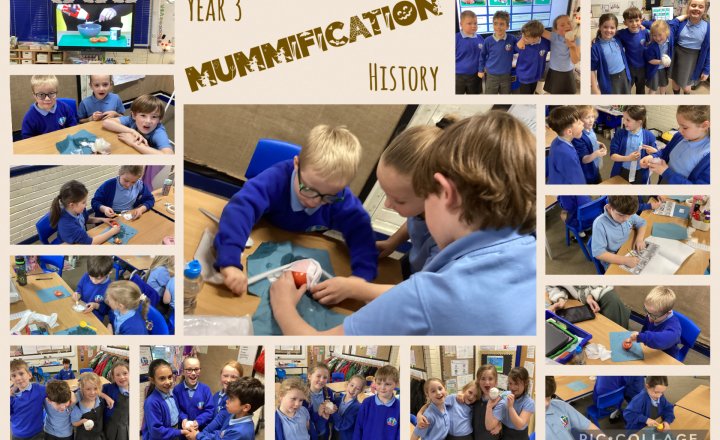
Year 3 - History: Mummification
Our Year 3 historians have loved learning about the Ancient Egyptians. However, this week’s lesson was particularly gruesome. The children were studying Ancient Egyptian beliefs about life after death and, in particular, the process of mummification. After learning about the removal of the organs, the preserving of the body and the storage of prized possessions within the sarcophagi, it was time for the children to have a go using tomatoes. They halved their tomatoes, removed the insides, filled it with a salt and bicarbonate of soda mixture and wrapped it in bandages. We will be checking on the tomatoes after half term to see how well they’ve been preserved.
The Great Big Barney's Assault Course Challenge
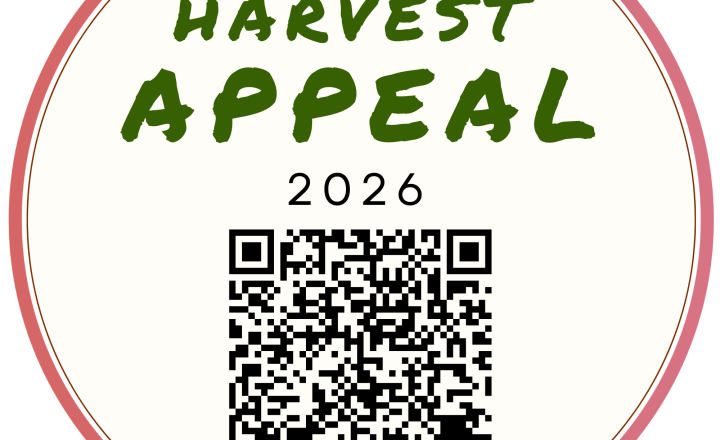
An urgent need in South Sudan! A serious healthcare crisis is emerging and support to local healthcare centres such as Liwolo will end by September, with hospital services stopping by December. Without this support, many communities will be left without accessible medical care. The nearest healthcare facilities are several hours away and remain out of reach for many families due to distance and cost. Through the Bishop's Harvest Appeal, our Diocese will support the Jehovah Rapha Healthcare Centre in Liwolo, ensuring that people are able to access essential healthcare. Each child will take part in our Great Big Barney’s Assault Course Challenge, which has been planned by our WOW group, at school on Friday 6th November. Please ask family and friends to sponsor your child to complete the course and help us raise funds for this year’s cause. We would love to see photos of your children in training over the half term ready for our assault course challenge, so please send them via Class Dojo. Donations can be made through the QR code or here: https://www.parishgiving.org.uk/donors/find-your-parish/bburn-diocesan-harvest-appeal-blackburn?fbclid=IwY2xjawVEK0JleHRuA2FlbQIxMABwZG9mAWJyaWQRMDgwVEJYN0EzQ2lGbWVYT2VzcnRjBmFwcF9pZBAyMjIwMzkxNzg4MjAwODkyAAEebvIKZ7uGENPZjIfVN8P5b-WLjoYcHdWChA0xXbNPY1YwSgVkEwXRXG-vFV0_aem_70SfP6U3cGv2vCM-UXD3YA
Year 5 - Black History Month
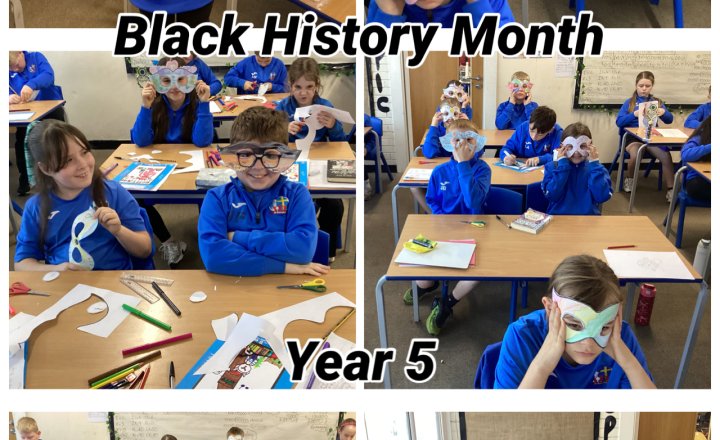
To celebrate Black History Month, we explored the life of Claudia Jones. She was a Trinidadian-born journalist who fought for racial equality in both the United States and the United Kingdom. As she is celebrated as the mother of the Notting Hill carnival in London, we decorated our own carnival masks with colours and symbols that reflect our personality and interests.
Year 6 - Black History Month
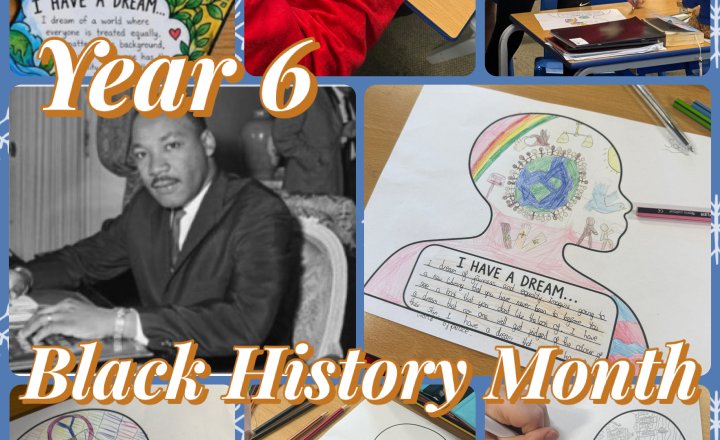
As part of our Black History Month celebrations, the children explored the inspirational life and legacy of Martin Luther King Jr. and his powerful dream of a world filled with equality, kindness and fairness. Inspired by his famous ‘I Have a Dream’ speech, the children created stunning pieces of artwork representing their own hopes and dreams for our world. Their work beautifully expressed their aspirations for a brighter future, where everyone is treated with respect, valued for who they are and given the opportunity to thrive. We are incredibly proud of the creativity, thoughtfulness and powerful messages behind their artwork!
.jpg)
Reception: Phonics
In Reception, the children have been working extremely hard this half term learning their Phase 2 sounds. We have been focusing on our segmenting skills to help with spelling, carefully sounding out each word step-by-step. The children did a fantastic job of saying the individual phonemes aloud and matching them to the correct graphemes to build their words. We are so proud of their persistence and progress—well done, Reception!
.png)