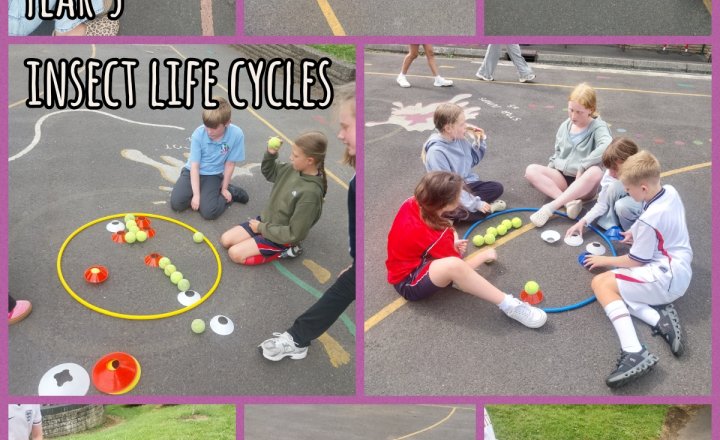
Year 5 - Science
In science, we continued our study of life cycles by considering different ways in which insects change from egg to adult. Insects with 4 life cycle stages include a pupa in which metamorphosis from juvenile to adult occurs. This includes butterflies and moths. 3 stage life cycles are different because the young insect (nymph) looks very similar to the adult and sheds its outer skin to grow (moulting), which can be found in mayflies and grasshoppers. We then went outside to model these life cycles using PE equipment.
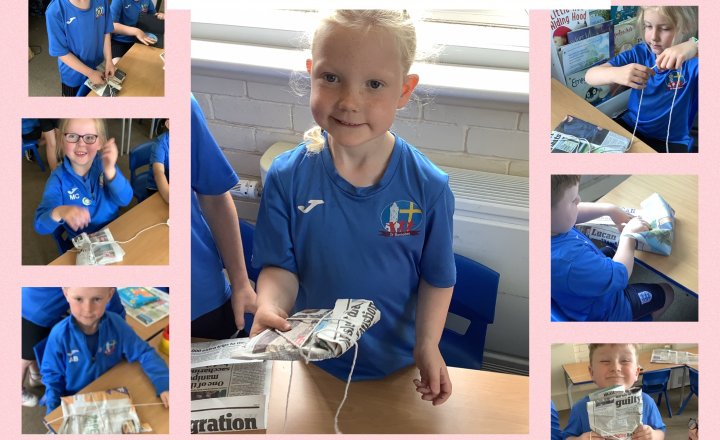
Year 1 History: Packaging in the Past
Year 1 compared differences between packaging in the past and packaging now. We noticed that in the past, they used lots of paper, metal and glass to package their items. They were particularly shocked to find out that fish and chip shops used to sell their food in newspaper from the previous day. Then, we noticed that most packaging now is made from plastic. Year 1 shared that plastic is better to store food in as it keeps it fresh for longer, you can see what items are inside the packaging, it is waterproof and stronger than other materials. However, some children noticed that packaging from the past was better for the environment. For example, paper is better for the environment when recycled and metal tins can be reused. We also discussed that milk men deliver their milk in glass bottles, which can be washed and reused again. We agreed that although plastic packaging is good for some things, we should use more environmentally friendly materials when we can. For example, buying Bags for Life when shopping rather than purchasing plastic bags and throwing them away. Year 1 also had a go at wrapping items in paper and using string, as they would not have tape. It was good practice for them with tying knots and some children could even tie bows!
.jpeg)
Reception- PSHE- Summer
In our PSHE lesson we have been looking at the different seasons and especially focusing on Summer. Together we took a quiz to identify signs of summer. In class we did some flower arranging, making fans to keep cool and colouring our summer posters.
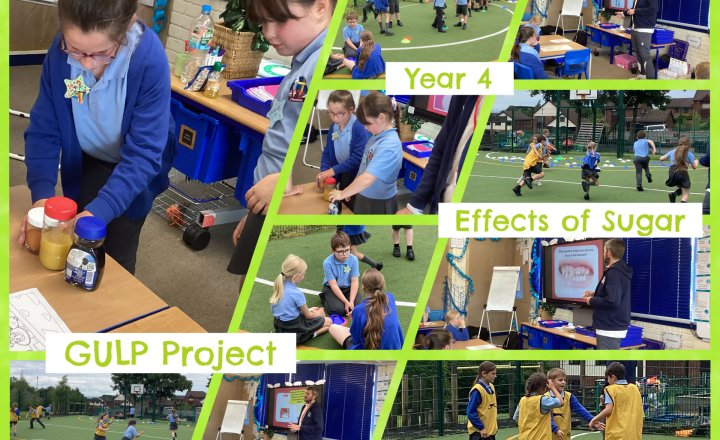
Year 4 - The GULP Project - Effects of Sugar
In this week’s GULP session, the Year 4 children were learning about the effect that sugary drinks can have on our teeth. They learned how to make healthy choices when deciding how to hydrate themselves and they started an experiment to see which drinks have the worst effect on our teeth. We will find out the results next week. The second part of the session involved physical activity. The children played invasion team games and discussed tactics, giving them the opportunity to adjust their strategies in order to score the maximum points.
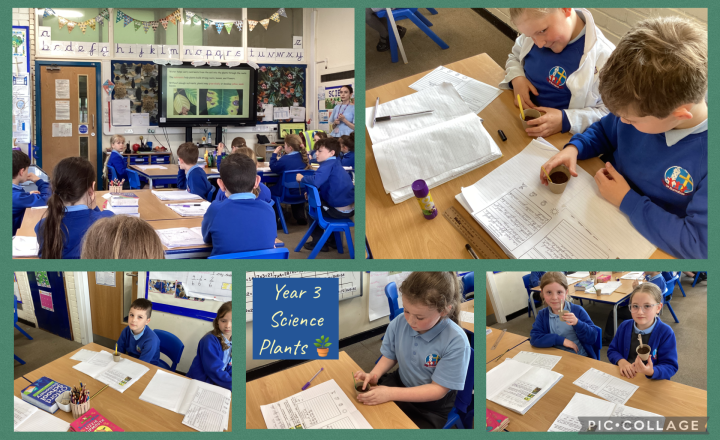
Year 3 Science: Controlled Plant Investigation
In Science this week, Year 3 have turned into real botanists as they begin an exciting new investigation into plant growth. To learn all about what plants need to survive and thrive, the children are setting up a controlled experiment. We’ve planted a class seed together, as well as individual seeds for every child. We will be changing different conditions to see exactly what helps our plants grow big and strong.
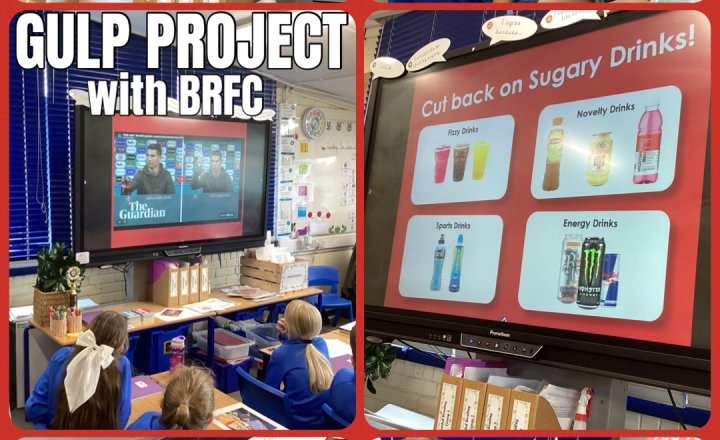
Year 4 - PE: Introduction to The GULP Project
One of the weekly PE sessions in Year 4 this half term will be delivered by Blackburn Rovers FC in conjunction with Blackburn with Darwen Council. The GULP Project aims to get children active and also think about the drinks they consume, encouraging them to make healthy choices. This week was our first session in which we completed a sugary drinks quiz and an A to Z of drinks. We also received our free reusable GULP water bottles and were given a brief idea of the exciting activities that we will take part in over the next 4 weeks.
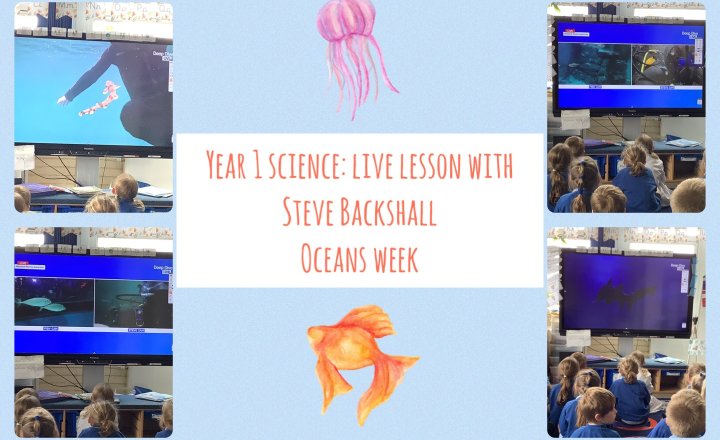
Year 1 Science: Live Lesson with Steve Backshall for Oceans Week
Yesterday, Year 1 joined a live lesson with Steve Backshall to learn about the fish that live in the oceans. He was at the National Marine Aquarium and went underwater with his camera! We were able to see lots of different fish, eels, crabs and even small sharks. We learnt lots of amazing facts about the fish and he also told us about the importance of looking after the environment so that rubbish does not go into the oceans.
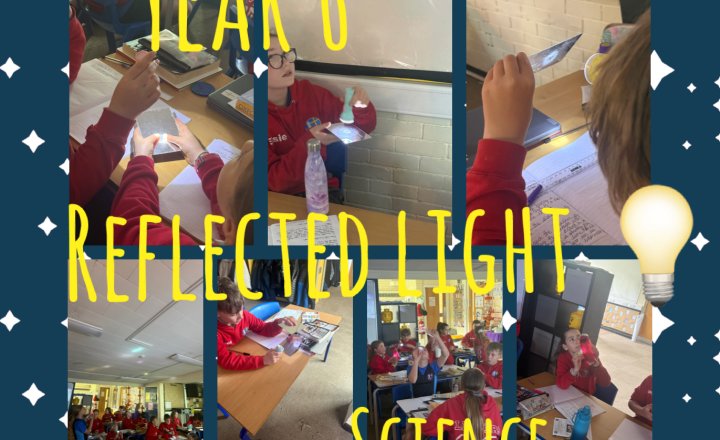
Year 6 - How is light reflected?
Today during science, Year 6 explored how light is reflected and absorbed. The children investigated how different surfaces affect the way light behaves, identifying which materials reflect light well and which materials absorb light. The children also discussed how this is seen in everyday life, such as in mirrors, clothing and other common objects.
.jpeg)
Year 5 - Science
We learned how levers and pulleys allow you to lift objects more easily before making our own simple and compound pulley systems. By using cereal boxes, pencils, string and paper clips, we discovered that adding more wheels to our pulley system reduced the effort to lift a weight. The children then extrapolated this information to other pulley systems with more wheels. I owe thanks to all the children who brought in cereal boxes and to Mr Fairbanks who allowed us to use his washers.
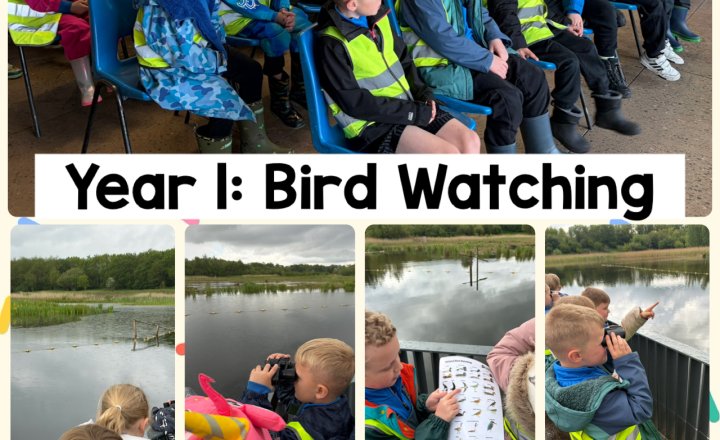
Year 1: Bird Watching
The children began their exciting day at Brockholes Nature Reserve by taking part in a bird watching activity. They explored the wetlands and carefully looked for birds that enjoy living near water, such as ducks and swans. The children used their observation skills to spot different birds and enjoyed learning about the habitats and features of wetland wildlife.
.jpeg)
Year 1: Plant Hunt
The children then took part in a plant hunt around the nature reserve, where they explored the different plants and wildlife living in the area. As they searched, they discovered lots of slugs and snails hiding amongst the plants and enjoyed observing them closely. During their plant watch activity, the children identified a range of wild plants including cowslip, foxglove, rosebay willowherb, daisies, nettles, reeds and holly, helping them to learn more about the variety of plants found in natural habitats.
.jpeg)
Year 1: Minibeast Hunt
The children explored the Viking Woods during their minibeast hunt and discovered the remains of Thor’s hammer hidden amongst the trees. They learnt about woodland habitats and discussed why woods are important places for animals to find food, shelter and safety. The children talked about the different animals that live in the woods, including deer, foxes, squirrels, hedgehogs, mice, rabbits, birds, badgers and moles. During the minibeast hunt, they learnt that invertebrates are animals without bones and that insects always have six legs. They also discovered that centipedes and millipedes have many legs. As they searched carefully through the woodland, the children found a variety of minibeasts including woodlice, slugs, beetles, spiders and a millipede.