.png)
Year 3-Scientists making maps to display what they've learnt
This afternoon, the young scientists created mind maps to showcase their learning gained this term on the topic of Animals including Humans. They can identify that animals, including humans, require specific types and quantities of nutrition, as they are unable to produce their own; instead, they acquire nutrition from their food. Additionally, they recognise that humans and some other animals have skeletons and muscles, serving crucial roles in support, protection, and movement. They've enjoyed learning about animals and humans while approaching the subject scientifically.
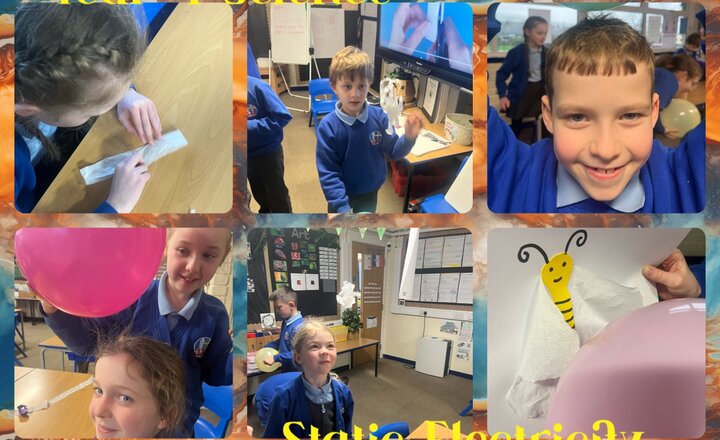
Science in Year 4 Static Electricity
Following on from our visit from Scientific Sarah and Mad Science, we looked at static electricity using balloons. We did a magic floating plastic bag experiment and then a moving butterfly. The children loved testing out how to produce the best static electricity!
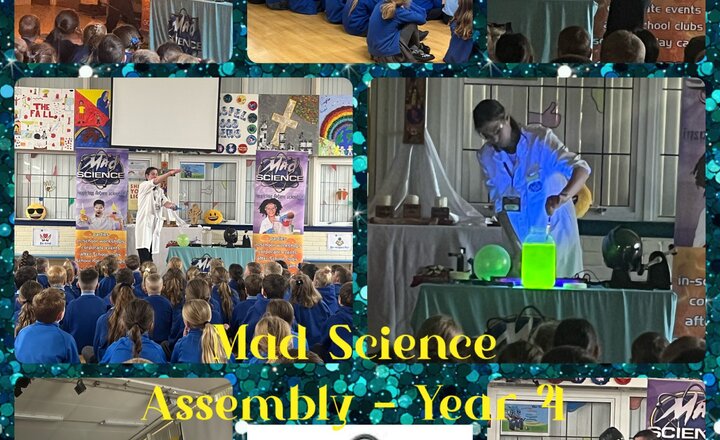
Mad Science Assembly - Year 4
This morning, we welcomed Mad Science Sarah in our assembly. Scientific Sarah explored static energy using balloons, electric energy using people power where our very own Annabelle lit the plasma ball by creating energy by turning the pedals. Sarah then went on to making chemical energy in a jar. We loved every second of it and Year 4 can’t wait to try out some new experiments in our Science lesson on Monday.
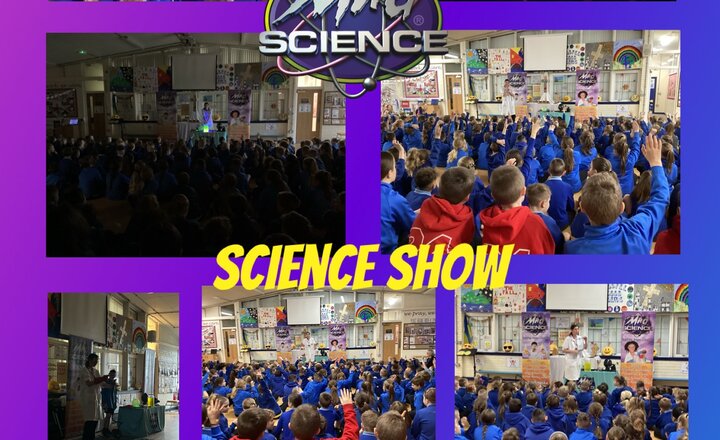
Mad Science Show
This morning our whole school family had a super Mad Science Show led by Scientist Sarah. The focus was on energy and she showed us all some really exciting experiments that create different forms of energy. A huge well done to our chosen volunteers James, Annabelle and Archie!
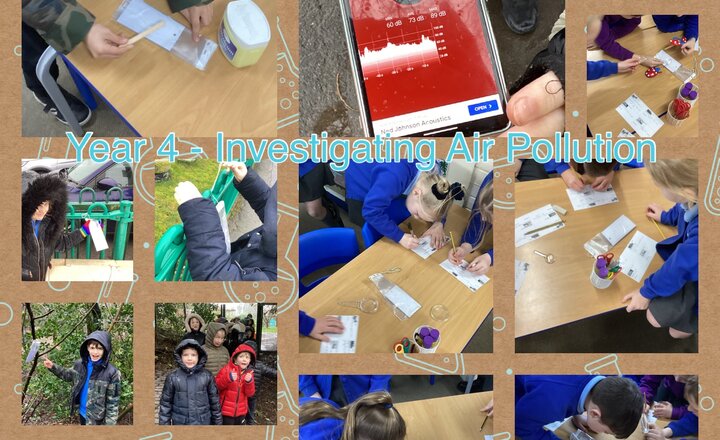
Year 4 - Science: Investigating Air Pollution
Our super scientists in Year 4 have been busy learning about air pollution and the main causes. We went out into the local area and put up cards smeared with Vaseline at specific locations to see what debris we could catch. We also measured the sound level to see if there were any correlations between the level of noise and the amount of debris. We had great fun using magnifiers to observe the results too.
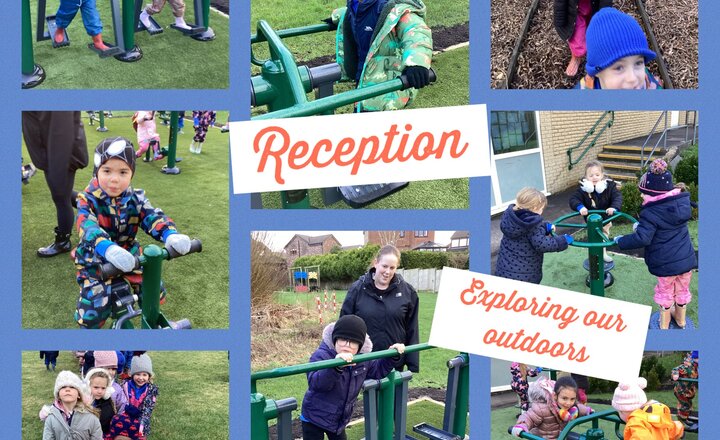
Reception- Exploring our outdoor area
We have had a lovely time exploring the outdoors this afternoon. We went for a windy walk around our school grounds and then we had lots of fun on our new outdoor gym, which the children were so excited to use.
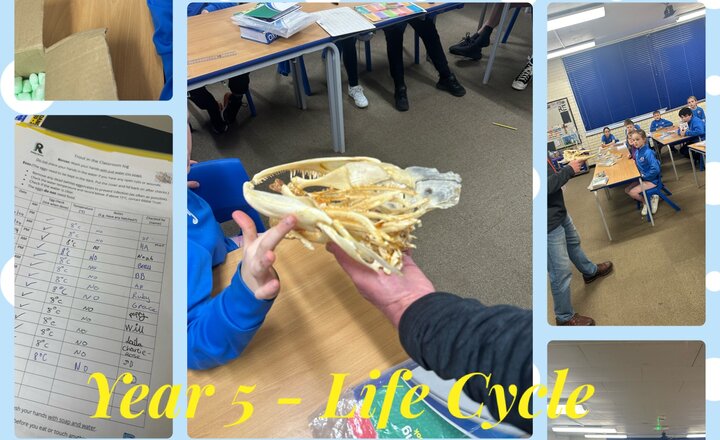
Year 5 - National River Trust
Today, Year 5 were treated to a 1-1 session with The National River Trust to discuss the food chains and predictors our trout will encounter when they are released into the wild. The children saw and got to see a real life pike skull. We discussed all its features including what makes the pike an apex predator. The children were fascinated with the skull and asked some really interesting questions which resulted in the children gaining some incredible facts.
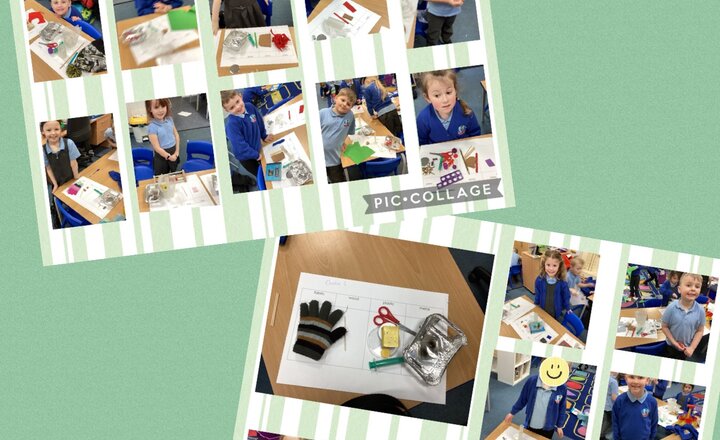
Year 1 Science- Sorting Materials
Year 1 started their unit on exploring materials in science today. They had to sort the objects by the material that they are made from (wood, plastic, fabric and plastic) and talk about why those objects are made from those materials. For example they said that a quilt is made from fabric because it needs to be soft, comfortable and breathable, a key is made from metal because it needs to be strong and rigid and a chair can be made from plastic or wood because they are strong, sturdy and easily wipeable. They are looking forward to learning about some other materials and their properties and completing some experiments in the weeks to come.
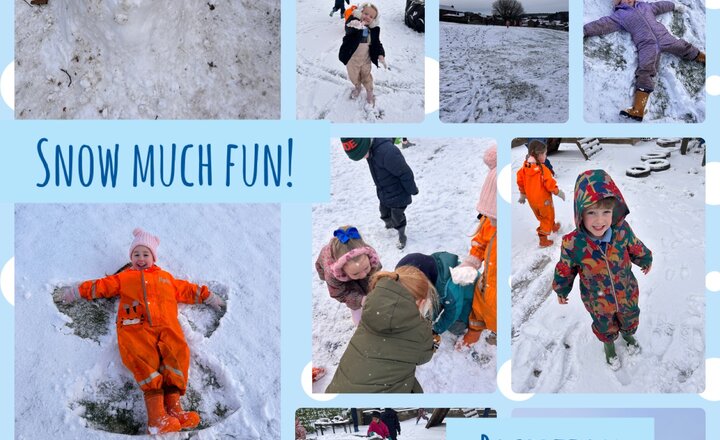
Reception: Snow much fun!
Our Ducklings loved exploring the snow today! They learnt how to make snowballs and we discussed the shape of them and how they look like balls we throw! We problem solved to build a snowman and enjoyed creating snow angels. The children loved throwing snowballs at Mrs Wilkinson and Mrs Thompson! We had lots of fun!
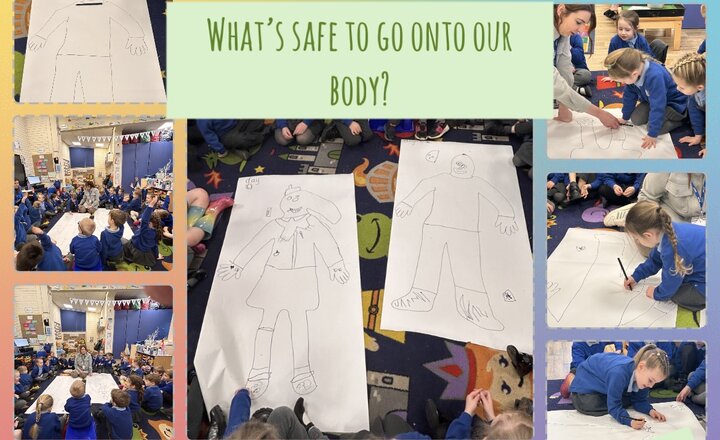
Reception: What’s safe to go onto our body?
Today in PSHE, we discussed what is safe to go onto our body. We drew around two of our friends and discussed what we put onto our body during the day and at night. The children came up with lots of different objects. We then discussed why we use them. Leila said we put plasters on to stop us from bleeding. Joey said we put a scarf on to stop us from getting cold. Alayna said we use soap to stop germs from spreading and Lydia said we use shampoo to keep our hair nice and clean.
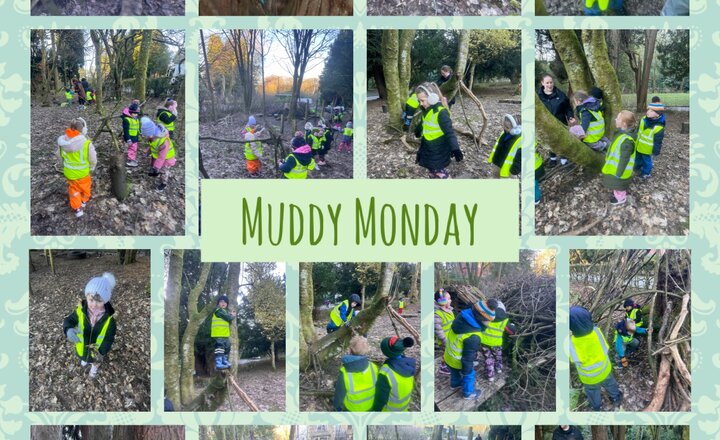
Reception: Muddy Monday
Our Ducklings enjoyed exploring a different forest schools area of Whitehall park. They created dens, roleplayed in a restaurant, searched for hedgehogs and loved climbing trees.
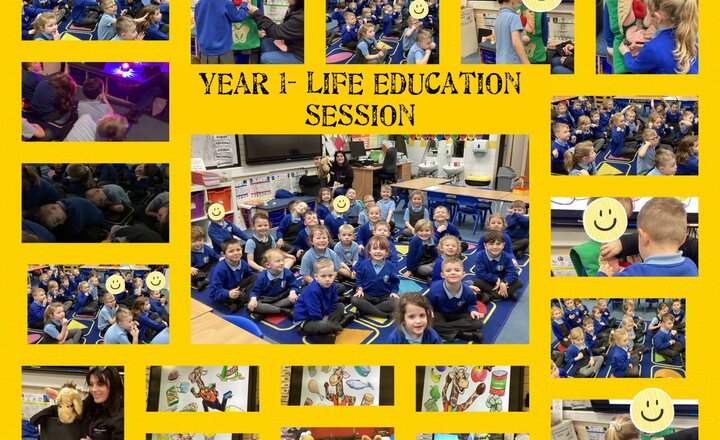
Year 1- Life Education Session
Today, we had a life education session with Harold the Giraffe. We learnt that there are lots of different food groups that we need to eat to have a balanced diet. We learnt about dairy products which are good for our teeth and bones, protein which is good for our muscle growth, fruits and vegetables which give us vitamins and minerals to help us to keep fit and healthy and fight illness and carbohydrates which are good for giving us energy. We then talked about our organs. We learnt that our heart and lungs are protected by our rib cage. Our heart pumps blood around the body to give us energy and our lungs help us to breathe. We then learnt that when we’ve eaten our food it goes into our stomach to be digested and the ‘good stuff’ is taken in by our bodies to give us energy and the ‘other stuff’ leaves our body when we go to the toilet. We then had a look at a packed lunch that Harold the Giraffe had made to take to the park. We talked about how his lunch box included carbohydrates(bread), tuna (protein), a yogurt (dairy) but he didn’t have any fruits or vegetables so he was hoping that his friends at the park might have some to give to him. When they got to the park, Derek had made a huge fruit sculpture out of some fruit but Kiki destroyed it when she thought she was being kind to Harold by getting a piece of fruit. This made Kiki really upset and Derek really angry as his hard work had been destroyed. We talked about how this situation could be made better. Year 1 said that Harold needs to explain the situation to Derek of him wanting some fruit and Kiki trying to help him get some but accidentally destroying his sculpture in the process and then Kiki and Harold should offer Derek a hand to rebuild his sculpture. Year 1 said the lesson that they had learnt from that story is to make sure that they think very carefully before they do something to check that it won’t upset anyone. Then, Year 1 had to think about what foods they would include in a packed lunch. The rules were that the packed lunch had to included foods from different groups so that they were having a balanced diet. Archie said that he would pack a chicken sandwich, a cheese string and some cucumber and tomatoes which was a fantastic balance. Finally, we finished our session thinking about the importance of sleep and with a visit from Harold and listened to him singing us a song.
.png)