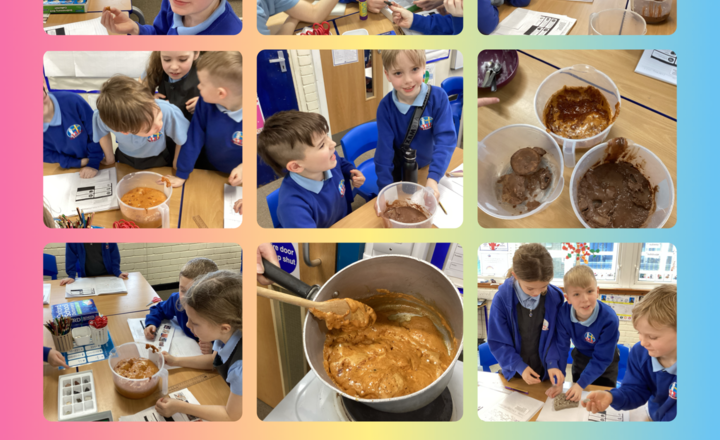
Year 3- Science- Making Edible Intrusive and Extrusive Igneous Rocks.
The Year 3 Scientists are having a blast learning about different kinds of rocks and soils this term in science. This afternoon, the children had a super fun and exciting lesson where they made edible rocks to see how igneous rocks are formed. They made two types: one that forms underground (called intrusive) and one that forms above ground (called extrusive). Then, they compared the two to learn more about rocks.
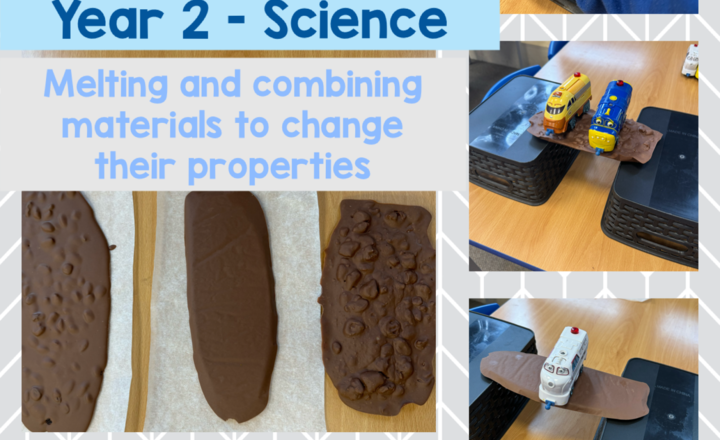
Year 2 - Science
In Science this week, we investigated if we could change a material’s properties by melting and combing 2 materials together. We looked at how John McAdam designed roads and that he said a mixture of large rocks, small rocks and gravel was the best way to make the road strong. We put this to the test and made 3 roads. A chocolate road, a chocolate and raisins road and a chocolate and biscuit road. We made sure to use the same amount of chocolate for each road to keep it a fair test. After the roads had set, we placed cars on each road until it broke. We were able to place the most weight on the chocolate and biscuit road making it the strongest road.
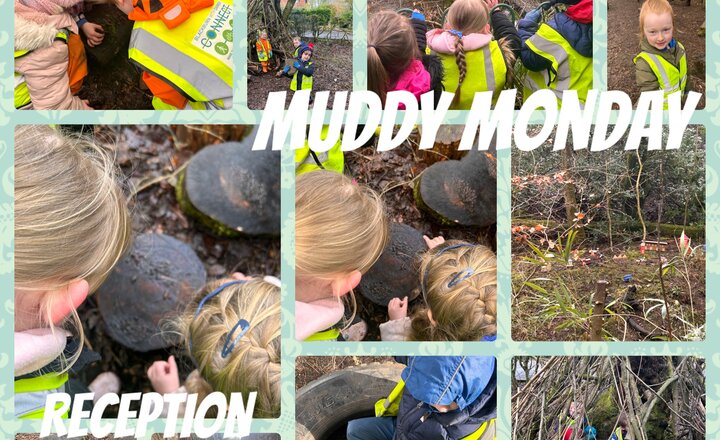
Reception: Muddy Monday
Our Ducklings enjoyed our Muddy Monday session today at Whitehall park. They were super explorers! They found pine cones, natural resources for their dens and also different minibeasts.
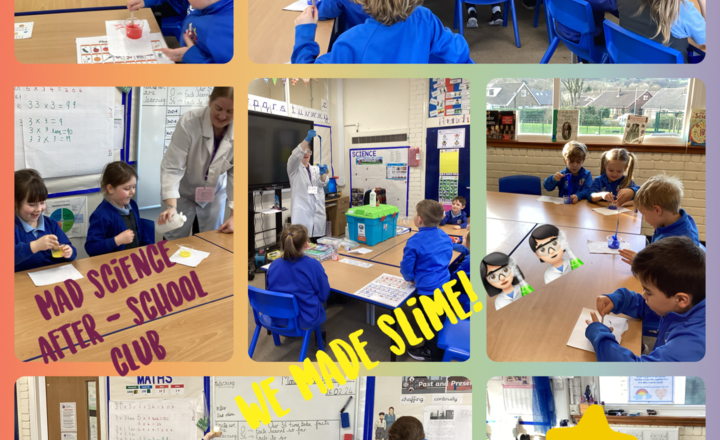
Mad Science After-School Club. We made slime!
The scientists picked their favourite colours in today's session and had a blast making slime. They learned about cool stuff like polymers and how mixing two liquids can turn into gooey slime. They were excited to take it home to show their parents and carers.
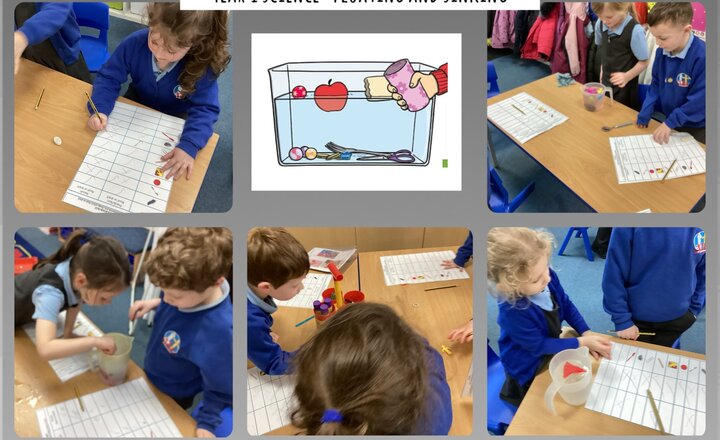
Year 1 Science- Making a Prediction and Performing a Test
Today in Science, Year one learnt about floating and sinking. They learnt that generally speaking lighter objects will float and heavier objects will sink and that for an item to float, it has to contain trapped air. They also learnt that another word for float is buoyant and another word for sink is submerge. As part of their independent group work, they had to predict whether an item would sink or float and then they had to perform a test to see whether their predictions were correct or incorrect. At the end of the lesson, they got to choose some of their own items to test.
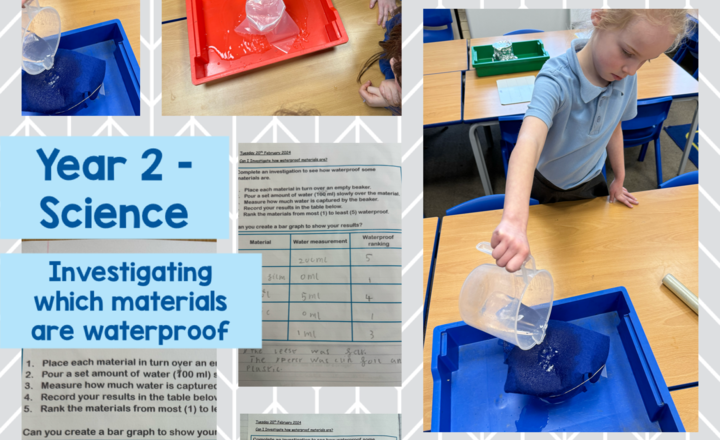
Year 2 - Science
This week in science, we continued investigating the properties of materials. This week we investigated which materials were waterproof. We looked at how the first Macintosh was made by binding two materials together which together made a waterproof layer. Then it was time for us to carry out our own experiment, to see which materials were waterproof. We recorded our results in a table so we could see which materials would be most suitable for a waterproof coat.
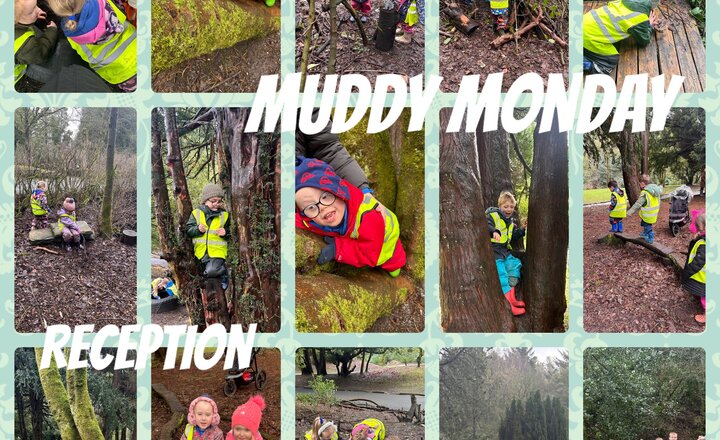
Reception: Muddy Monday
Our Reception class really enjoyed our Muddy Monday session at Whitehall park. We looked at some habitats for different minibeasts that we found and also enjoyed creating dens and continued to take risks climbing trees. They walked 3.84km and enjoyed contributing to the Big Lent Walk!
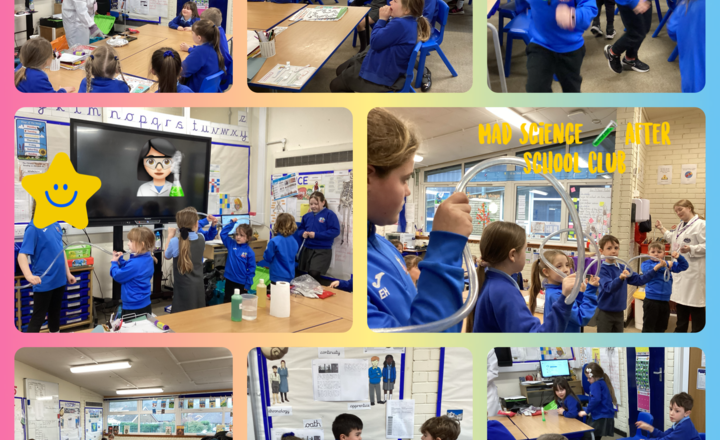
Mad Science After -School Club- Missions Nutritious
Today, in our after-school club led by a scientist, the young children investigated the energy content of food by burning a stale crisp and using the released energy to heat water. We discovered that one crisp equals 6 calories. This was super exciting to watch. The young scientists also measured their energy expenditure by jogging on the spot. For our final experiment, the children filled a bottle halfway with water and then poured in about 100ml of oil. They then observed the oil float on the water. They were fascinated by this observation. We also estimated the length of a child's intestine during the session, adding to our exploration of the human body. They're eagerly looking forward to next week's experiment with slime.
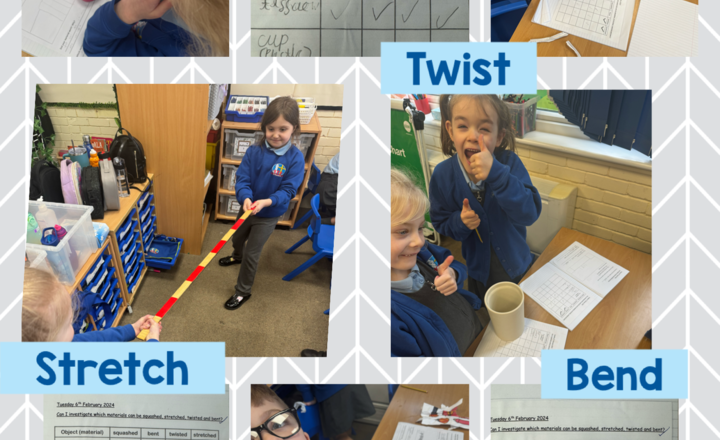
Year 2 - Science
In science this week, we continued looking at everyday materials. We have been looking at their uses and properties. Today we explored if different materials could stretch, squash, bend or twist. The children found different objects from around the classroom made for varying materials. They then conducted their own tests to see if the shape of the object could be changed. We recorded our results in our own table and then compared results either our peers.
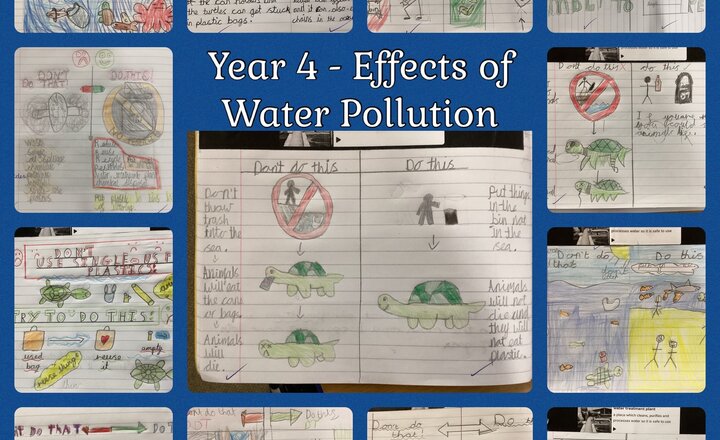
Year 4 - Science: Water Pollution
Our super scientists in Year 4 were looking at the effects of water pollution this week. Check out some of our fantastic posters.
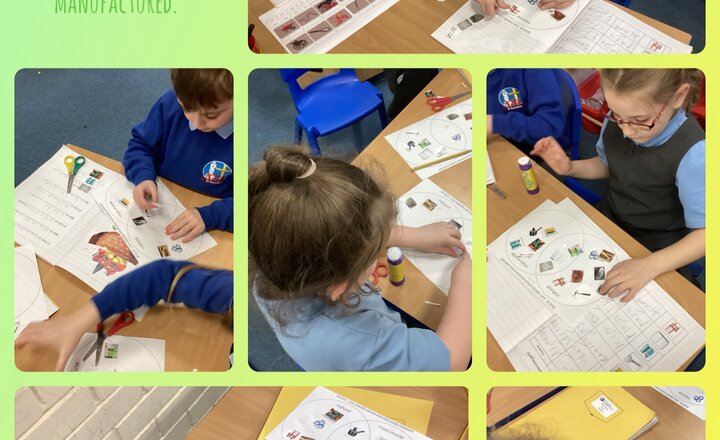
Year 1 Science
Year 1 have had a challenging science lesson this week exploring whether materials are manufactured or natural. First, we explored natural materials and described these as materials that can be found out in the world either by being collected, farmed or harvested. Examples of these are materials such as wood, rock, iron, wool and sand. We then talked about manufactured materials which are those that don’t exist naturally and have to be created by being heated or by mixed with other substances. Examples of these are materials such as plastic, polyester and paper. What we found very tricky is learning that some materials can be both. For example rubber can be natural if it is the sap that has come directly from the tree but it can also be manufactured using plastic and some metals are natural such as iron but others are manufactured such as steel. Year 1 also watched polyester being made in a factory from recycled bottles and found out that their school polos were made 65% polyester.
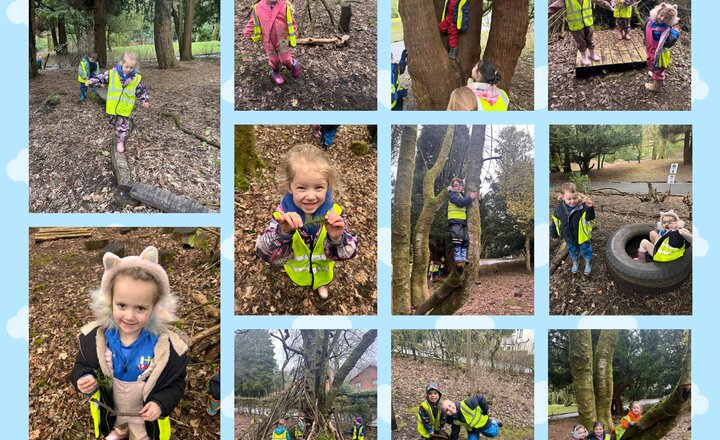
Reception: Muddy Monday
Our Ducklings enjoyed exploring the forest schools area in Whitehall park. Their imaginations were really flowing. We found dinosaur shaped claw leaves, eggs, some of our children created a roleplay restaurant and we had squirrels climbing up the trees!
.png)