.png)
Year 3- Science-Using scientific evidence, and explain the effectiveness of suncream as protection against the sunlight
In Science this afternoon, our future scientists discovered the importance of the sun as the ultimate energy source for all life on Earth. They also learned about the various ways in which exposure to the sun can be dangerous for humans. We made a prediction first on what might happen to the ultraviolet beads with no suncream or a lower SPF. These beads contain a special chemical that changes colour when exposed to ultraviolet (UV) light. UV is an invisible type of light from the Sun. The results from this investigation showed the ultra violet beads with SPF 15 had some protection. Some of the beads changed colour in the sunlight, but others stayed the same, showing that the SPF 15 didn’t fully protect them. The beads covered in SPF 30 had much better protection. Most of the beads stayed white, but a few changed colour. The beads with SPF 50 stayed fully protected and didn’t change colour at all when in the sun. When the beads with no SPF cream were exposed to the sun, they changed colour straight away. The light made the beads react quickly because they had no protection. Year 3 learnt, while sunlight is essential for many natural processes and for our health, overexposure to the sun's UV radiation can have harmful effects on our skin, eyes, and overall health. To stay safe while enjoying the sun, it's important to take measures to protect yourself from harmful UV radiation.
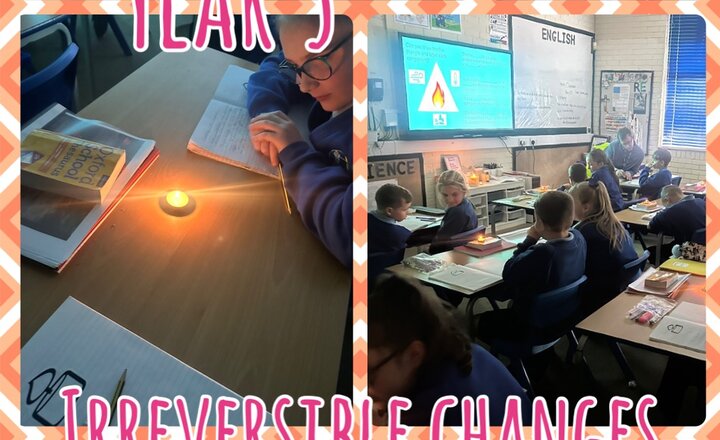
Year 5 - Irreversible changes
This week in science, Year 5 delved into the fascinating world of irreversible changes by experimenting with candles and exploring the process of combustion. The children carefully observed the behavior of burning candles, noting changes such as melting wax and the production of gases. They then created detailed diagrams to explain the scientific processes at play, including the release of carbon dioxide and water vapor during combustion. Through these observations, the children gained a deeper understanding of how chemical reactions work and why some changes cannot be reversed.
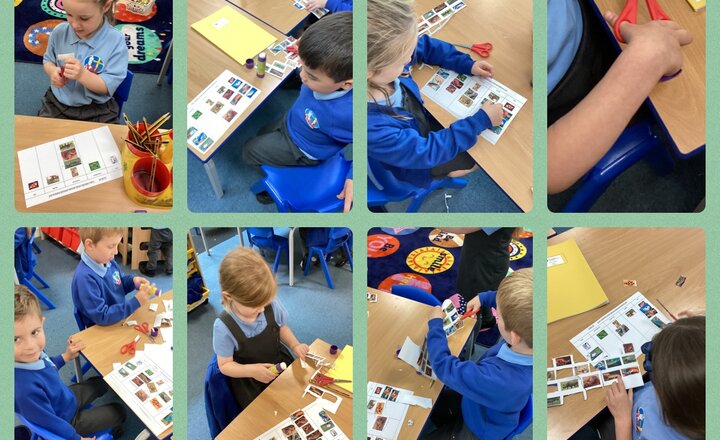
Year 1 Science- Can I Identify What Group an Animal Belongs to?
This afternoon in Year 1, we explored the different animal groups (mammals, amphibians, reptiles, birds and fish) and discussed the features of animals in each of these groups such as having hair, scales, wet skin and feathers. We then looked at a variety of animals and sorted them into each of the five groups.
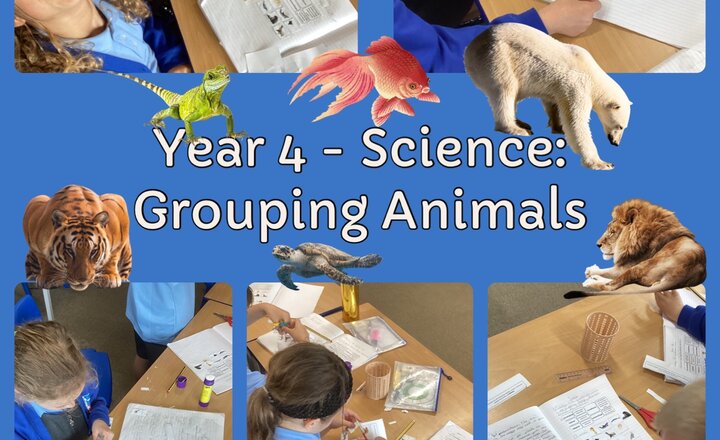
Year 4 - Science: Grouping Animals
Our first science topic in Year 4 is Living Things and Their Habitats. We began by learning about how animals are adapted for survival in their natural habitats and we used this information to group together a selection of animals.
.png)
Year 2 - Habitats
Today in science, we started looking at our first topic - where do animals live? We recapped on our already brilliant knowledge of what a habitat is. We built on our knowledge by exploring why it is important for an animal to have a habitat. We decided the three main reasons are for shelter from the weather, safety from predators and food to feed themselves and their offspring.
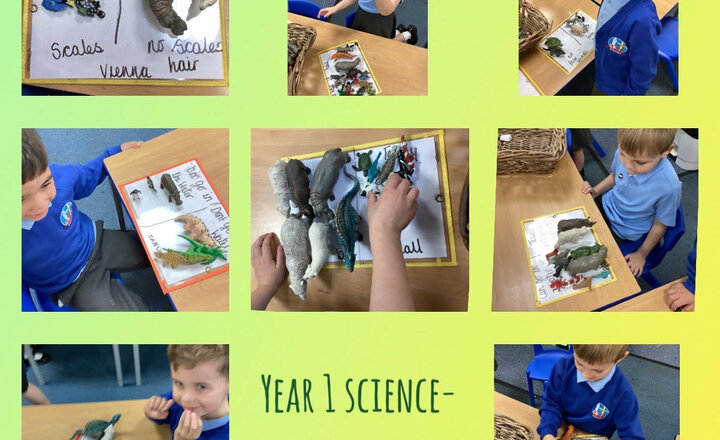
Year 1 Science- Grouping Animals
Today in Year 1, the children made some observations about animals. The children noticed various things such as some animals having feathers and some not, some having hair or fur and some not, some having ears but some having earholes, some having scales and some not, some being patterned and some not and so on. Year 1 then used their observations to sort a group of animals in their own way. Next lesson, the children will build on this to sort the animals into their animal groups such as mammals or reptiles.
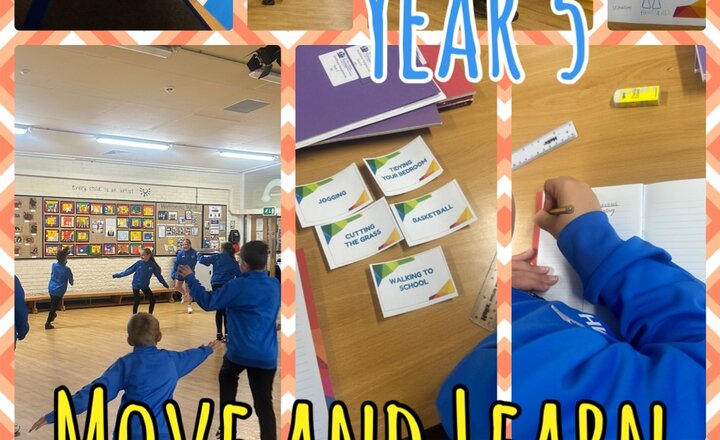
Year 5 - Move and Learn
Today, Year 5 took part in Move and Learn hosted by Blackburn Rovers Community Trust. The children explored a variety of topics including: diet, fitness, importance of staying healthy, changes to the body when undergoing physical activity and how to make healthy meal choices. The children took part it lots of team building games and classroom based tasks to enhance their learning and understanding.
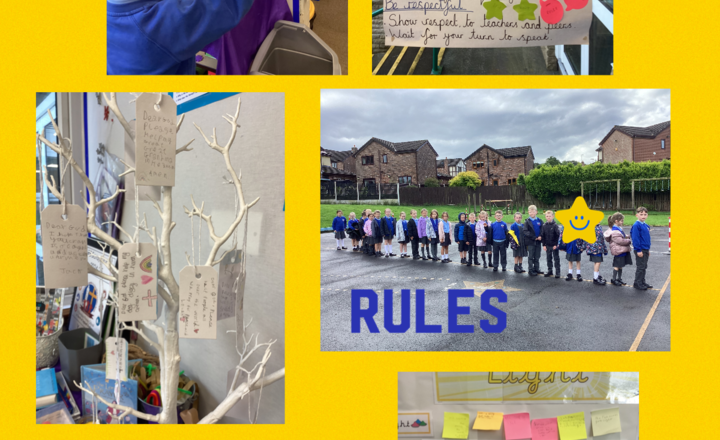
Year 3- First Day in Year 3
Year 3 had a wonderful first day back at school and were full of excitement about joining the juniors! We began the day by writing prayers for the new academic year, with children expressing their hopes for sharing love and kindness, supporting their families, and fostering a caring school community. We also built upon our school’s 4 B’s — Being Kind, Being Respectful, Being Safe, and Being Ready — with thoughtful ideas from the children, such as walking safely around the school and avoiding swinging on chairs. They practised lining up in alphabetical order with great enthusiasm and did an excellent job! In the afternoon, we explored our science unit on Light, where the children explored and compared natural and artificial light sources. It was a fantastic start to the year!
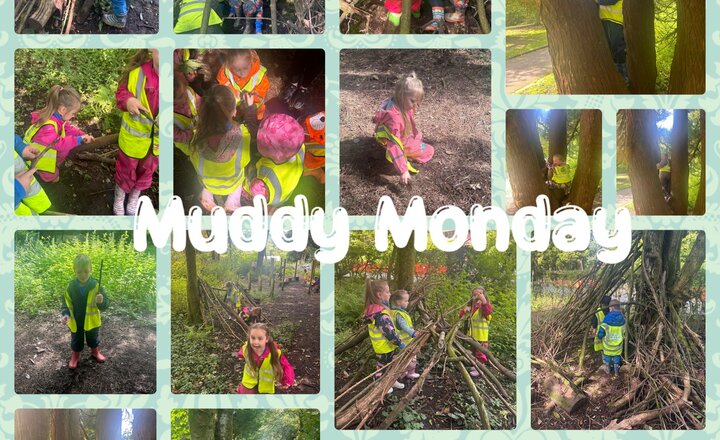
Reception: Muddy Monday
Wow! What a year we have had in Reception. The children have made so much progress during our forest schools sessions. They have improved in their stamina, risk taking, problem solving and imagination skills. We have loved seeing all of the children blossom and made the most of our last Muddy Monday session together!
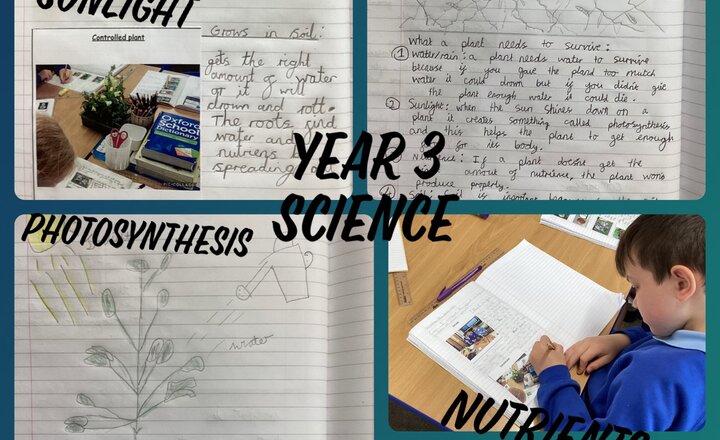
Year 3 - Science - Plants
This week, to finish off our science topic, we compared the plants we have growing in soil with the ones in the gel and which has been easier to look after. We also put all of our knowledge together to draw a diagram and describe what a plant needs to grow nice and healthy.
.jpeg)
Reception: Muddy Monday
Reception enjoyed our Muddy Monday session at Whitehall Park. After our growth mindset assembly today, we made sure we used our growth mindset instead of our fixed mindset to challenge ourselves and take risks. The children really engaged with this and it was wonderful to see how far they have come since they started with us. Well done!
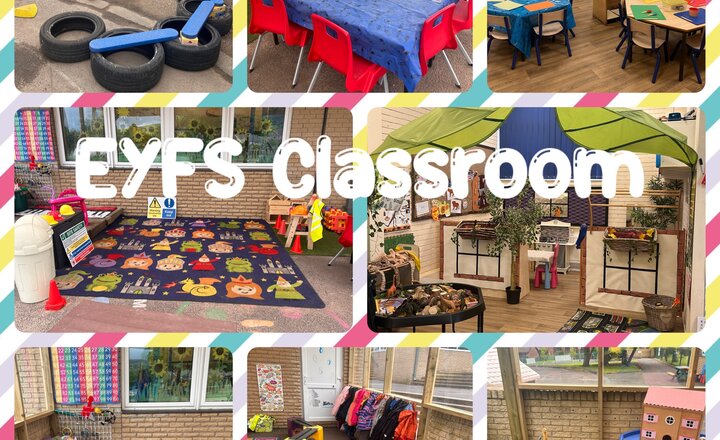
Reception: Our New Classroom
The children in Reception have loved our new outdoor canopy that was built last week. This has extended our classroom to provide an outdoor area that the children can access in all weathers. Our indoor classroom has also had a refresh and the children have loved exploring all of the areas!