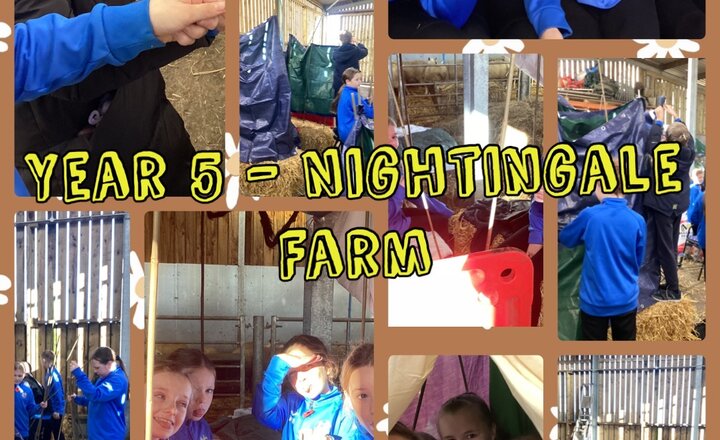
Year 5 - Nightingale Farm
Year 5 had an exciting and educational day at Nightingale Farm! The children tackled a den-building challenge, carefully selecting materials and assessing their strength to withstand the outdoors. They evaluated thermal properties to keep the inside warm, making valuable science connections. They also visited and learned about the friendly farm animals—goats, pigs, and chickens—observing their habits and needs. To top it all off, everyone gathered around a fire to toast marshmallows and enjoyed experiencing life on a farm.
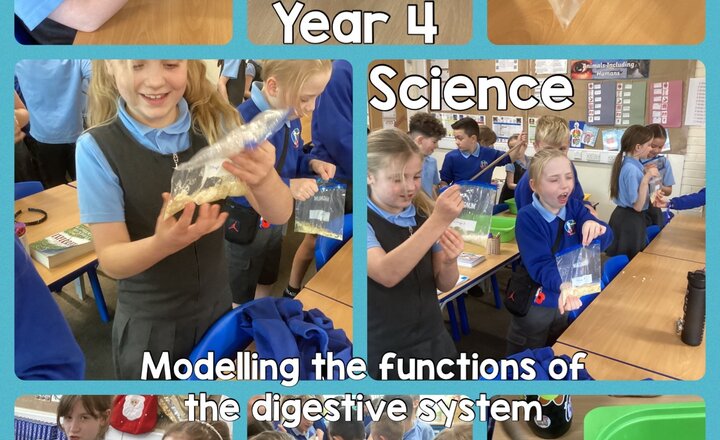
Year 4 - Science: Modelling the Digestive System
I’m sure that many of us found this lesson hard to stomach, but it was all in the name of science! The children have been learning about the parts of the digestive system and, this week they created a model digestive system in order to understand the functions of each organ and report on their findings. They acted out the process of digesting a cracker using a bowl and a knife and fork to chop the cracker into small pieces. They then transferred this to the oesophagus, which passed it down to the stomach (a ziplock bag containing water and washing up liquid. Here, the cracker pieces were churned up into a paste, which was then added to the small intestine (one leg from a pair of tights). The children even acted out peristalsis to squeeze the “nutrients” from the paste and push it down through the large intestine before the left over waste was pushed out through the anus (a small hole in the end of the tights. It was a messy but memorable activity, which produced some super explanations!
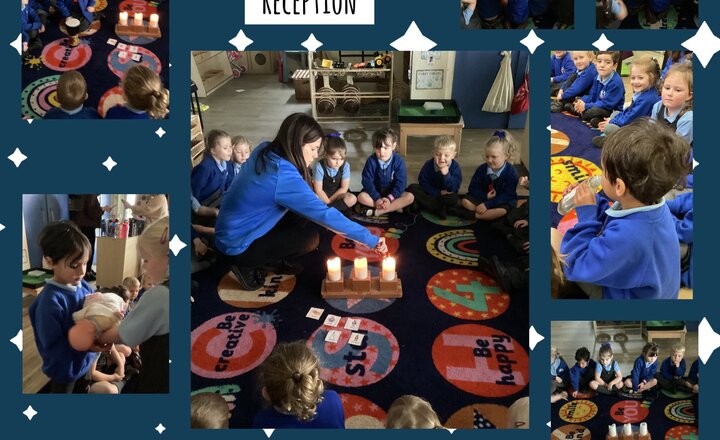
Reception RE: The Birth Of Jesus
Today our Reception children began their Christmas unit in RE. We took part in a sensory story all about the birth of Jesus. We used Widget symbols for each part and used our senses to get involved with the story. The children smelt baby oil to understand that Mary was expecting a baby, we walked to show how Mary and Joseph travelled to Bethlehem and we lit candles to show how dark it was. The children then used a drum to knock on the door to see if there was any room. We then used the sign for no. Finally, the children wrapped a baby in blankets to show the birth of Jesus. The children really enjoyed drawing parts of the story in our scrap book and enjoyed getting involved in the story all about the birth of Jesus. We can't wait for the children to act out this special story in their Nativity production in a few weeks time.
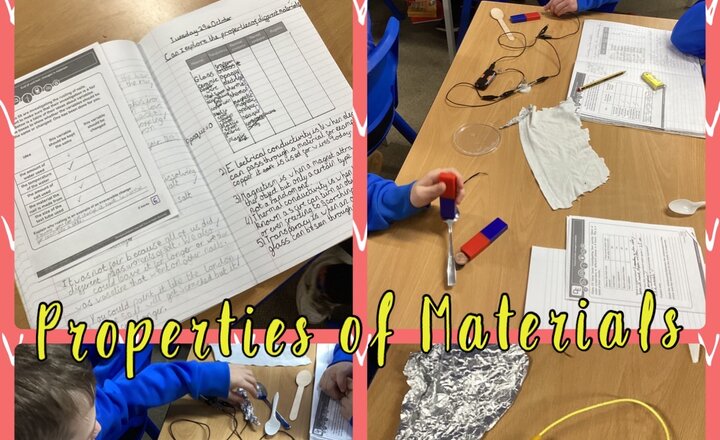
Year 5 - Properties of Materials
This week in science, Year 5 have been investigating a variety of materials to discover their properties. They tested each material to see if it was translucent or opaque, conducted electricity, or transferred thermal energy, carefully recording their results in a table. This hands-on exploration sparked curiosity and critical thinking, helping children understand the practical importance of materials!
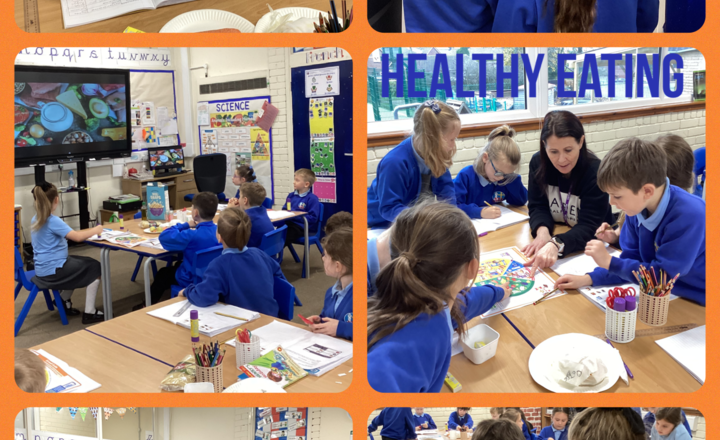
Year 3- Science- Sorting and Classifying Food
Today, Year 3 scientists continued their exploration of nutrition, building on their knowledge from Year 2. They identified the five key food groups: carbohydrates, proteins, dairy, fruits, and vegetables. They learned that a balanced diet, incorporating foods from each group, is crucial for optimal growth and health. Carbohydrates provide energy, proteins repair and build tissues, dairy strengthens bones, and fruits and vegetables supply essential vitamins and minerals. To reinforce their understanding, the children sorted pictures of food into their food groups and explained the benefits of each. Through this experience, Year 3 developed their scientific skills of observation, classification, and data presentation.
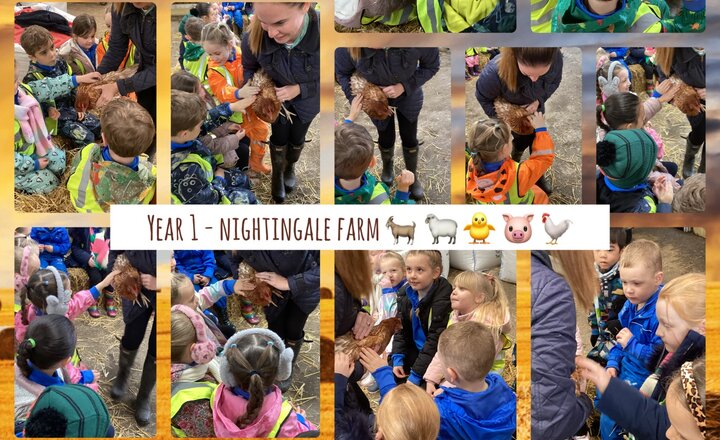
Year 1 Science and PSHE- Nightingale Farm Visit
What a wonderful time Year 1 had at Nightingale Farm on Tuesday morning. We petted the chickens and the goats, wandered around the barn exploring all of the farm animals (pigs, sheep, goats, chickens and ducks) and learnt lots about their diets. We then completed an activity where we had to choose one of the farm animals, write which animal group it belonged to (mammal, reptile, amphibian, fish or bird) and what it likes to eat. Steph answered lots of questions that we had about the farm animals too. We all thoroughly enjoyed our trip to the park so thank you to Steph for warmly welcoming us and sharing her knowledge with us all. All of the photos can be found here: https://www.stbarnabasdarwen.co.uk/photo-galleries/year-1-nightingale-farm-october-2024
Year 1 Science and PSHE- Nightingale Farm Visit
What a wonderful time Year 1 had at Nightingale Farm on Tuesday morning. We petted the chickens and the goats, wandered around the barn exploring all of the farm animals (pigs, sheep, goats, chickens and ducks) and learnt lots about their diets. We then completed an activity where we had to choose one of the farm animals, write which animal group it belonged to (mammal, reptile, amphibian, fish or bird) and what it likes to eat. Steph answered lots of questions that we had about the farm animals too. We all thoroughly enjoyed our trip to the farm so thank you to Steph for warmly welcoming us and sharing her knowledge with us all.
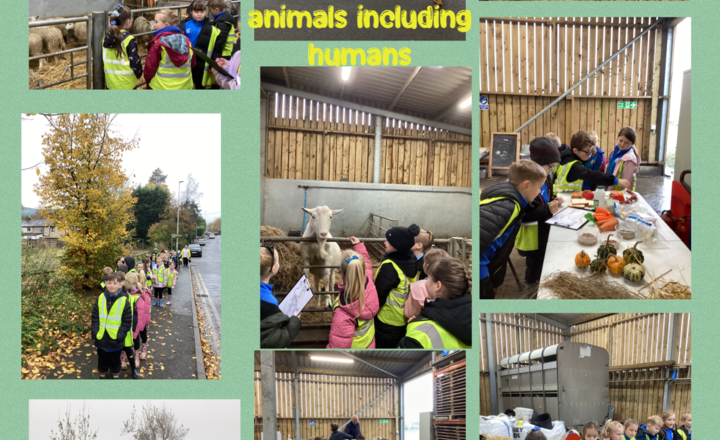
Year 3- Nightingale Farm- Learning about Animals including Humans
Today, Year 3 had a great time walking to Nightingale Farm. They were thrilled to see a variety of animals up close, including chickens, goats, sheep, pigs, and two adorable ducklings named Salt and Pepper. As they explored the farm, the children learned about animal classification and diet. They asked insightful questions about animal health, behaviour, and reproduction. In small groups, they also engaged in a hands-on activity, labeling parts of animal skeletons on activity sheets. They identified bones like the pelvis, spine, and vertebrae. Throughout the walk, Year 3 were captivated by the beauty of the Autumn season. They paused to admire the colourful leaves, the misty morning, and the friendly greetings from passersby. This experience fostered a deeper connection to nature and a sense of spiritual wonder. Thank you to Nightingale Farm for a great day! All of the photos can be found here: https://www.stbarnabasdarwen.co.uk/photo-galleries/year-3-nightingale-farm-oct-2024
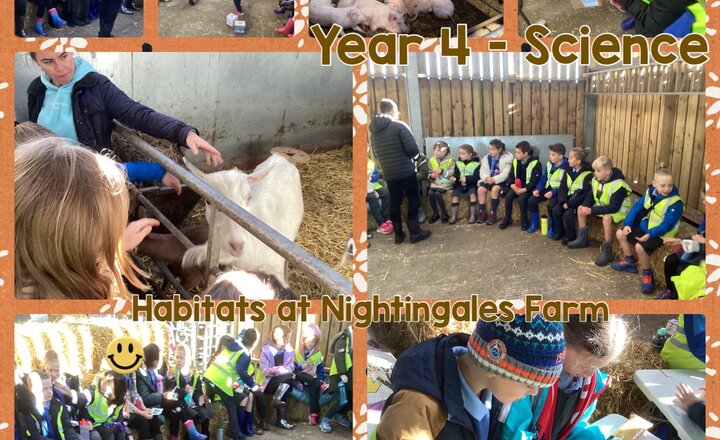
Year 4 - Science: Habitats at the Farm
We had a lovely walk up to Nightingales Farm on Monday to take part in some habitat activities. We recapped what we’d learned so far in science and then we learned about the many different habitats which can be found on the farm. We visited the sheep, pigs, goats and ducks and we talked about how the animals thrive in their habitats. We finished our trip by making bug houses using various natural materials. We will be adding these to our spiritual garden in order to encourage more wildlife to visit.
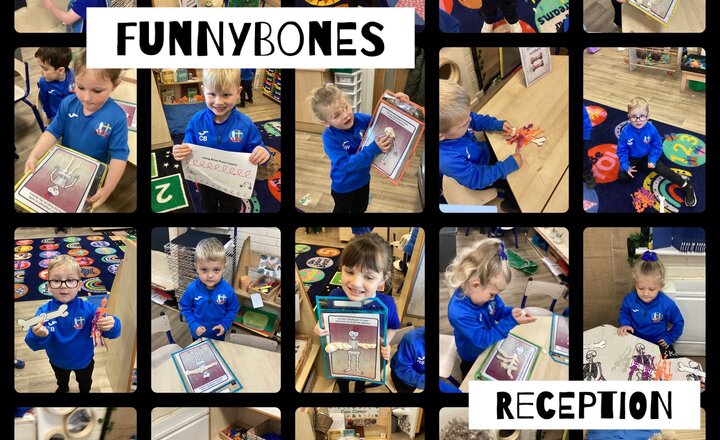
Reception: Funnybones
This morning, our Reception class read ‘Funnybones’. Each time we heard big, little and dog skeleton we put actions in so that we all paid attention and could retell the story after. We then completed some challenges in continuous provision linked to the story. Some of the children painted skeletons, some children had to problem solve to complete a skeleton using playdough, some counted bones and matched the amount to the numeral and some practised their fine motor skills too. It has been wonderful to see lots of busy children living life in all its fullness in Reception, well done!
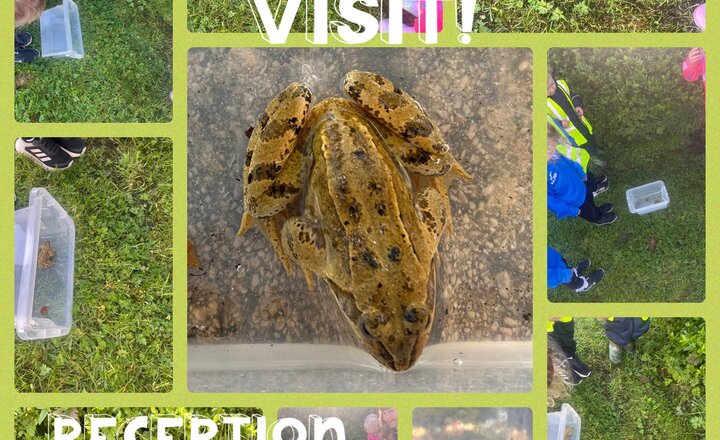
Reception: Surprise Frog Visit
Reception had a very exciting afternoon. Some of the children found a frog in our outdoor area. We put the frog in some water and let it out safely in its natural habitat.
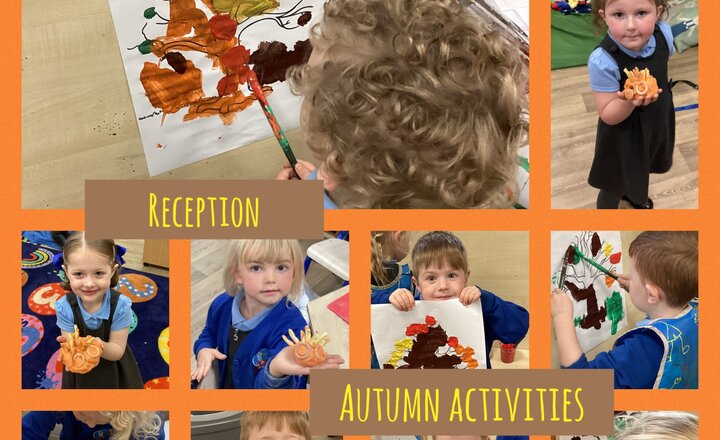
Reception- Autumn activities
This week we have enjoyed an autumnal week in our reception class. We read the story ‘The leaf thief’ to talk about the season and how the weather changes. In provision, we have been painting an autumn tree with orange, red and yellow leaves. We have been practising our fine motor skills by following line patterns and have been making hedgehogs using Autumnal treasures in the playdough area.
.png)