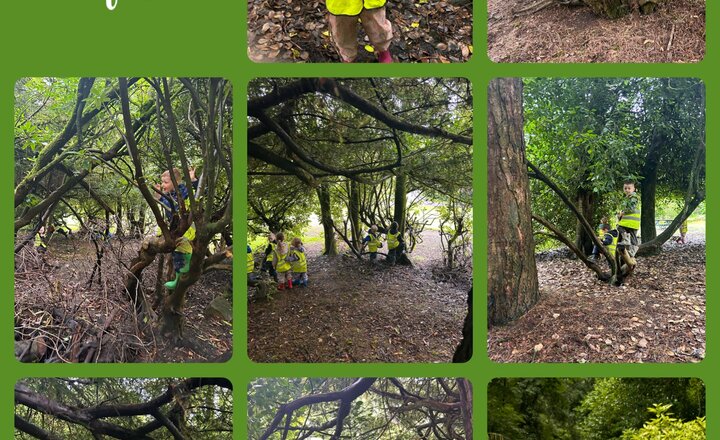
Forest Schools in Reception
We saw lots of teamwork during our forest schools session today. The children enjoyed collecting resources to build bug houses and log fires. They also enjoyed creating dens and climbing trees!
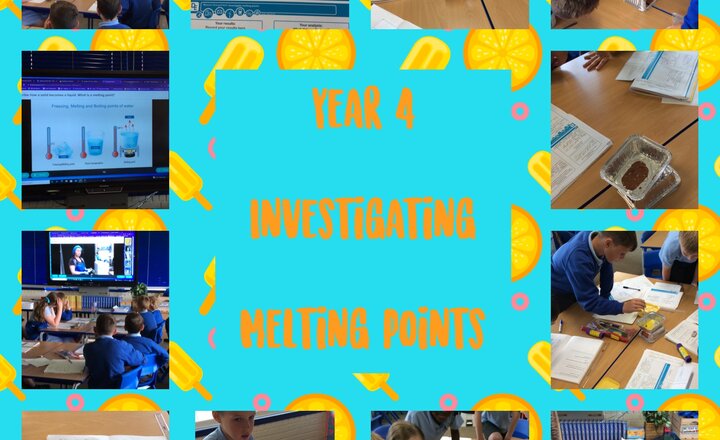
Year 4 - Science with Mr Prescott
Our super scientists have been investigating melting points with Mr Prescott this week. They heated margarine, coconut oil, and dark, white and gluten-free chocolate over a tea light candle and measured the temperature to see which had the highest melting point.
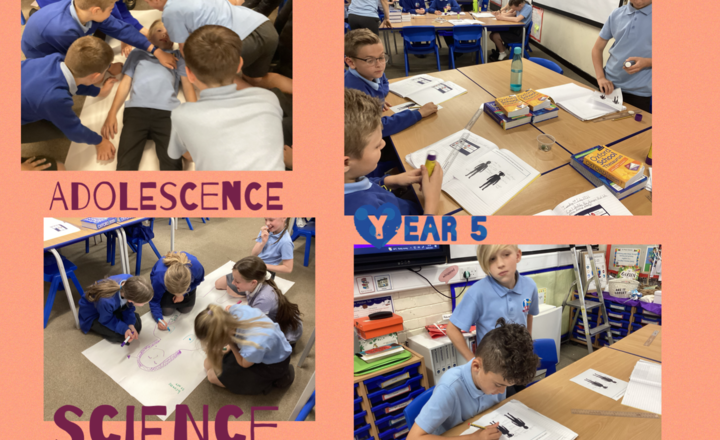
Year 5- Science- Identifying changes that take place during puberty
In science this afternoon, the children were learning about some of the changes they may experience during puberty. We recapped the unit's learning so far to summarise the changes they have experienced since birth. The children then worked in pairs and labelled the body parts that change during puberty. We then discussed some of the important ways that the children can look after their bodies during puberty, such as washing more frequently, eating a healthy and balanced diet and ensuring they get enough sleep.
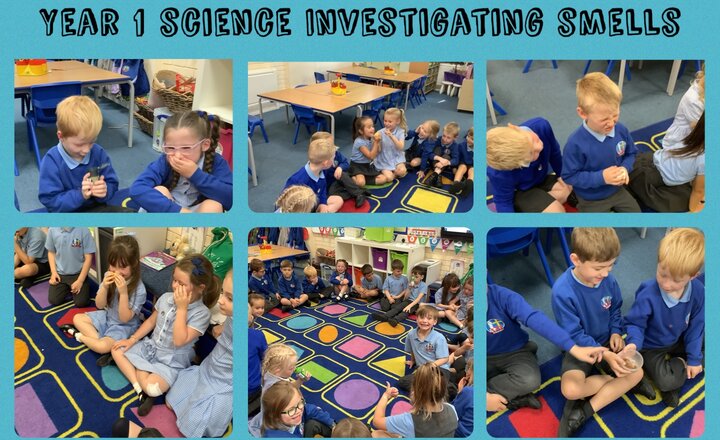
Year 1 Science Investigating Smells
Year 1 have been learning about the different human senses in science and this week we were focussing on smell and describing what different items smelt like. The children really enjoyed investigating what nutmeg, cinnamon sticks, lemon, coffee and some other different dried herbs smelt like. They recorded the information from our investigation in a table using adjectives to describe the different smells.
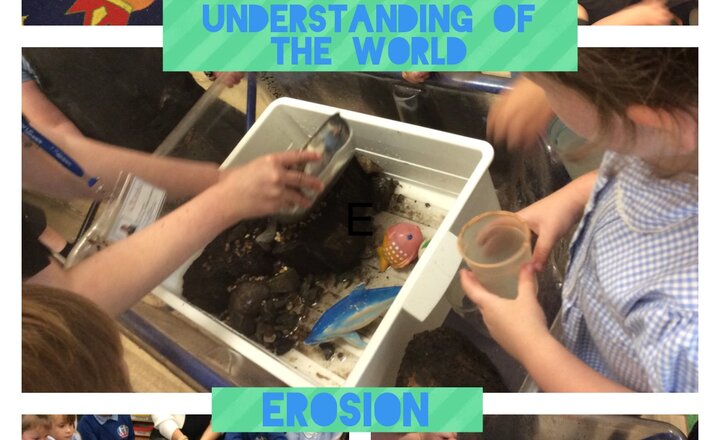
Reception - Understanding Of The World - Erosion
This week, Reception class have learned all about erosion. We looked at videos of the waves crashing against the cliffs and discussed what has happened over time. We looked at houses that had moved closer the cliff edge and decided we wouldn’t like to live there! We then conducted an investigation by crashing the water against the rocks in a tray and watched them erode away. The children also enjoyed investigating this in their choosing time.
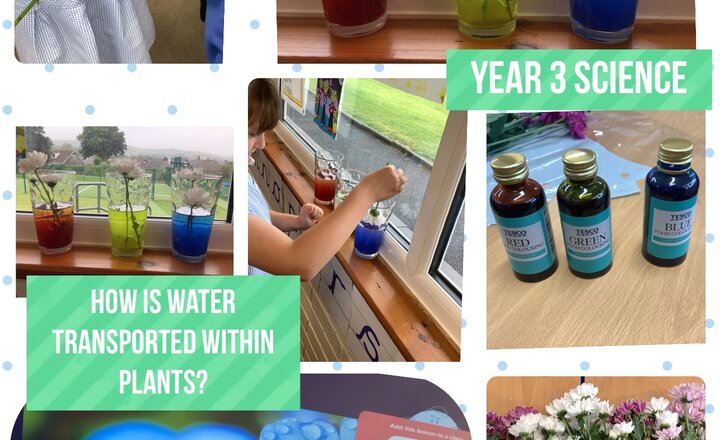
Year 3 Science: How is water transported within plants?
This term in Science, Year 3 are building their knowledge and understanding of plants and how they grow. This week, we thought about how water is transported within plants and how this is used In photosynthesis. We then set up our own class experiment, where we put some flowers into coloured dye and over the next couple of weeks, we will be observing what happens to the petals, as the water is transported within the plant.
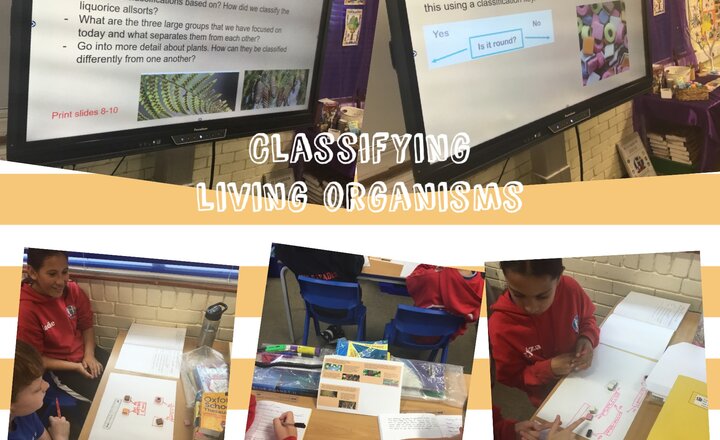
Year 6 Science
Year 6 have been looking at living organisms and the 6 kingdoms of life. They have investigated how living organisms are classified into different groups based on their similarities and differences. For example, the fact that some living things are multicellular and some are unicellular.
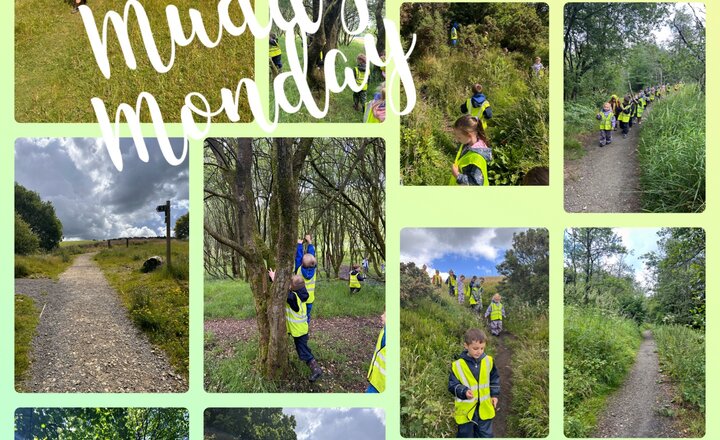
Reception: Muddy Monday
We continued our learning by comparing two local environments, Knowsley Road and Jack Keys reservoir. Seb said there are lots of animal habitats at Jack Keys. Albie said there are lots of trees at Jack Keys. Fletcher said it is much quieter at Jack Keys. Piper-Jo said there are more children at Knowsley Road. Heidi said there are more cars at Knowsley Road. Super comparison. We finished exploring by enjoying a short forest schools session.
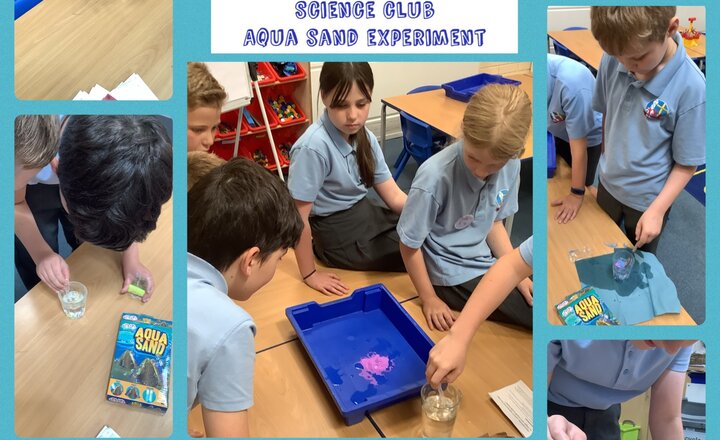
Science Club Aqua Sand Experiments
Today our Year 5/6 Science Club children carried out some different experiments using different coloured aqua sand. They were amazed at how this sand is actually waterproof and loved adding different ingredients to the sand to see what happened.
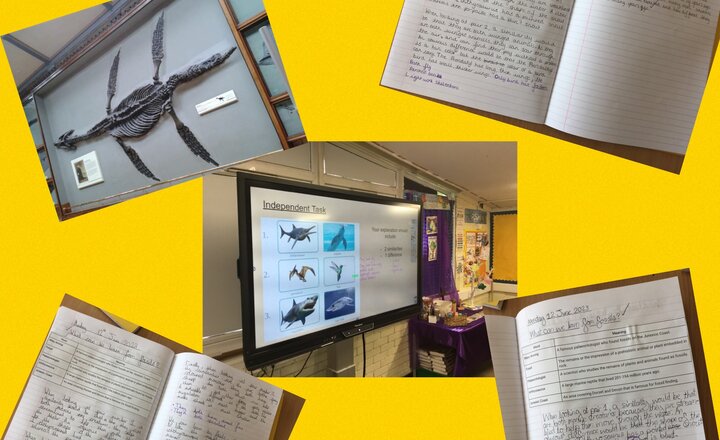
Year 6 Science
In year 6, we have looked at what we can learn from fossils. We found out that we can learn about the shape of the animal; what the animal may have looked like; which habitat it was most likely to live in due to its adaptations and potentially the diet of that animal. We also looked at how these extinct animals are similar and different to animals that we see today.
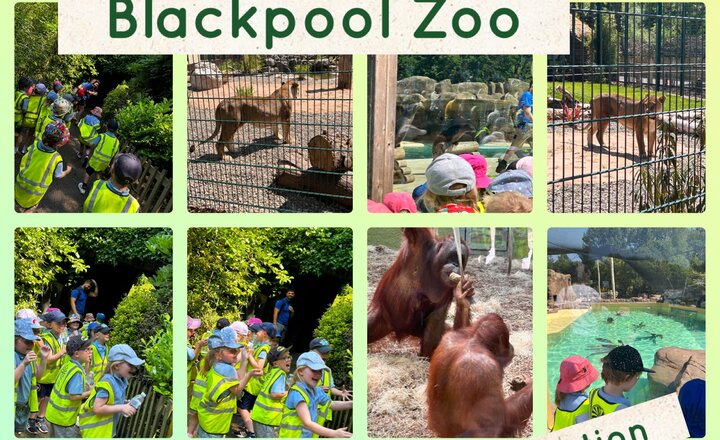
Reception: Blackpool Zoo
Reception class had a brilliant time at Blackpool Zoo. They saw Orangutans, gorillas, penguins, sea lions, elephants, lions, flamingoes, aardvarks, camels, tortoises, giraffes and we also went on a dinosaur safari! The children’s behaviour was exemplary and it was lovely to put our learning into context.
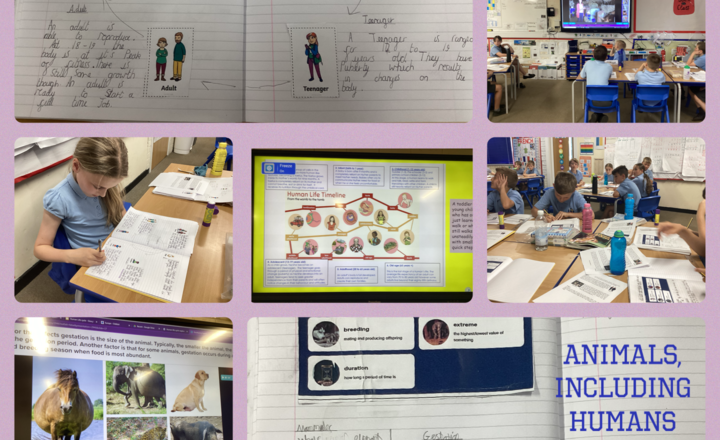
Year 5 - Science- Identifying the key stages of a mammals life cycle
In Science, the children discovered that most mammals have very similar life cycles. They learnt that humans have similar life cycles to other mammals, making comparisons to dogs. They explored the key developments during each of the stages of the human life cycle - foetus, baby, child, teenager/adolescent, adult and old age and demonstrated their understanding by drawing the human life cycle. They then created a list of as many different mammals as they could think of and conducted some research on the gestation periods of different animals.