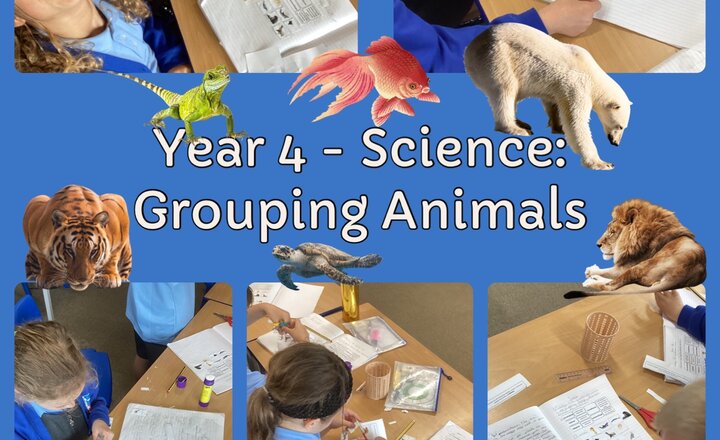
Year 4 - Science: Grouping Animals
Our first science topic in Year 4 is Living Things and Their Habitats. We began by learning about how animals are adapted for survival in their natural habitats and we used this information to group together a selection of animals.
.png)
Year 2 - Habitats
Today in science, we started looking at our first topic - where do animals live? We recapped on our already brilliant knowledge of what a habitat is. We built on our knowledge by exploring why it is important for an animal to have a habitat. We decided the three main reasons are for shelter from the weather, safety from predators and food to feed themselves and their offspring.
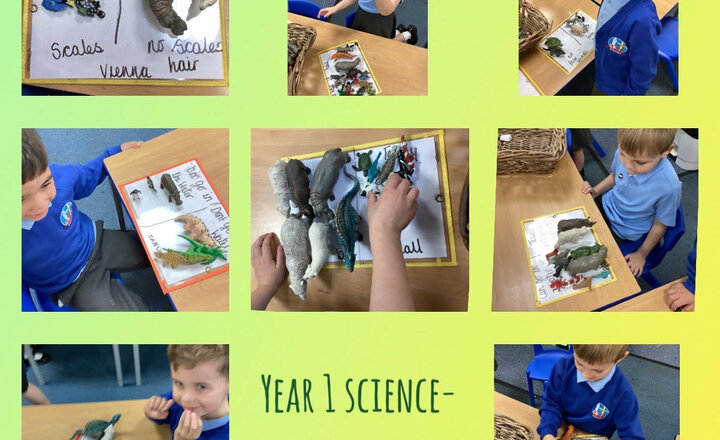
Year 1 Science- Grouping Animals
Today in Year 1, the children made some observations about animals. The children noticed various things such as some animals having feathers and some not, some having hair or fur and some not, some having ears but some having earholes, some having scales and some not, some being patterned and some not and so on. Year 1 then used their observations to sort a group of animals in their own way. Next lesson, the children will build on this to sort the animals into their animal groups such as mammals or reptiles.
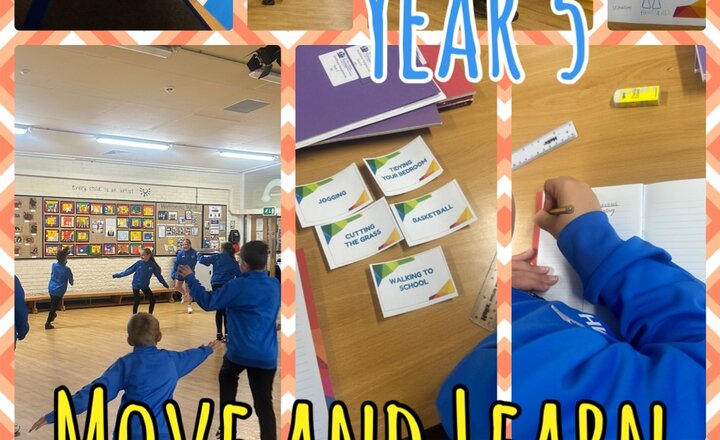
Year 5 - Move and Learn
Today, Year 5 took part in Move and Learn hosted by Blackburn Rovers Community Trust. The children explored a variety of topics including: diet, fitness, importance of staying healthy, changes to the body when undergoing physical activity and how to make healthy meal choices. The children took part it lots of team building games and classroom based tasks to enhance their learning and understanding.
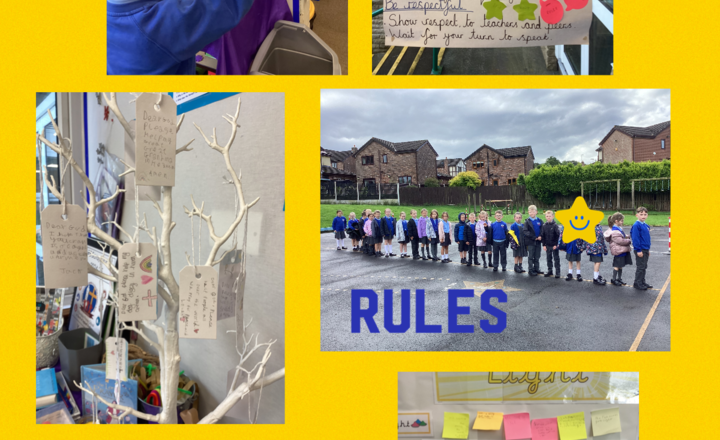
Year 3- First Day in Year 3
Year 3 had a wonderful first day back at school and were full of excitement about joining the juniors! We began the day by writing prayers for the new academic year, with children expressing their hopes for sharing love and kindness, supporting their families, and fostering a caring school community. We also built upon our school’s 4 B’s — Being Kind, Being Respectful, Being Safe, and Being Ready — with thoughtful ideas from the children, such as walking safely around the school and avoiding swinging on chairs. They practised lining up in alphabetical order with great enthusiasm and did an excellent job! In the afternoon, we explored our science unit on Light, where the children explored and compared natural and artificial light sources. It was a fantastic start to the year!
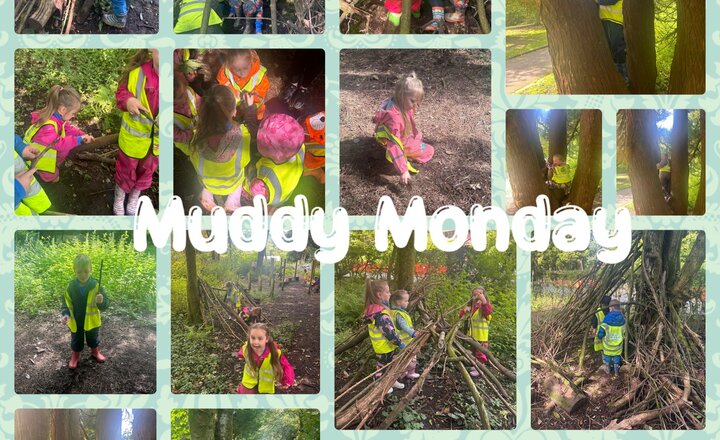
Reception: Muddy Monday
Wow! What a year we have had in Reception. The children have made so much progress during our forest schools sessions. They have improved in their stamina, risk taking, problem solving and imagination skills. We have loved seeing all of the children blossom and made the most of our last Muddy Monday session together!
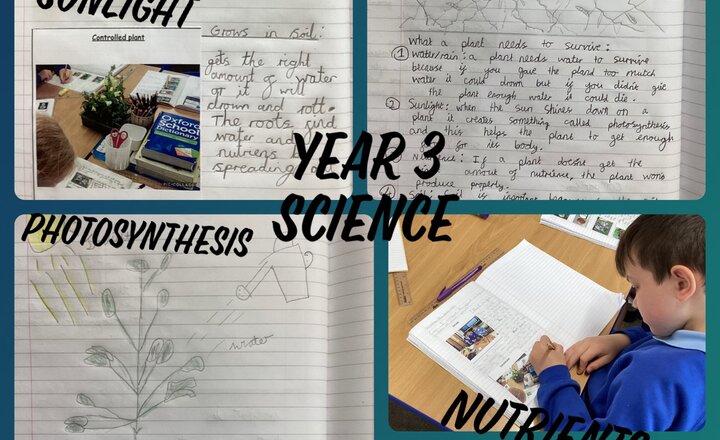
Year 3 - Science - Plants
This week, to finish off our science topic, we compared the plants we have growing in soil with the ones in the gel and which has been easier to look after. We also put all of our knowledge together to draw a diagram and describe what a plant needs to grow nice and healthy.
.jpeg)
Reception: Muddy Monday
Reception enjoyed our Muddy Monday session at Whitehall Park. After our growth mindset assembly today, we made sure we used our growth mindset instead of our fixed mindset to challenge ourselves and take risks. The children really engaged with this and it was wonderful to see how far they have come since they started with us. Well done!
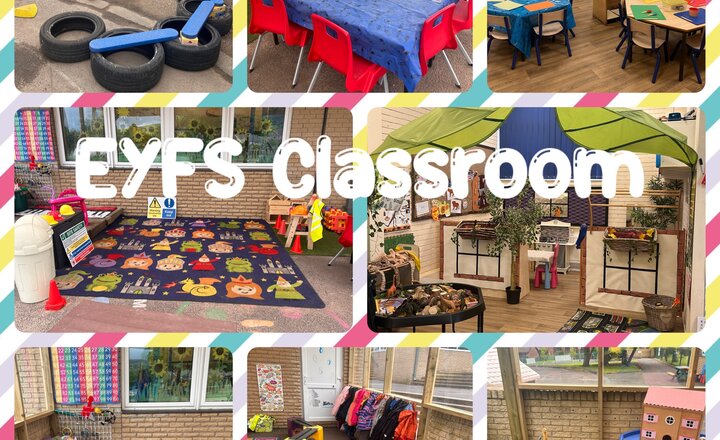
Reception: Our New Classroom
The children in Reception have loved our new outdoor canopy that was built last week. This has extended our classroom to provide an outdoor area that the children can access in all weathers. Our indoor classroom has also had a refresh and the children have loved exploring all of the areas!
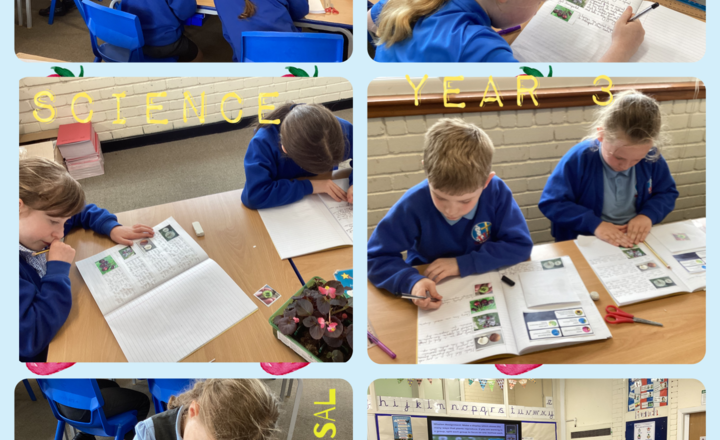
Year 3- Science- Use scientific language to describe how plants reproduce.
This afternoon in science, Year 3 investigated how seed dispersal helps some plants reproduce. They were able to explain that dandelions use the wind to spread their seeds, cherry trees rely on birds to eat the seeds and then disperse them through their droppings, wild cucumbers burst to scatter their seeds explosively, burdock plants use their spikes to hitch a ride to a new location and coconut trees use water dispersal to disperse their seeds by letting them fall on the beach and when the tide comes in, the tide picks up the coconut and carries it to another to grow.
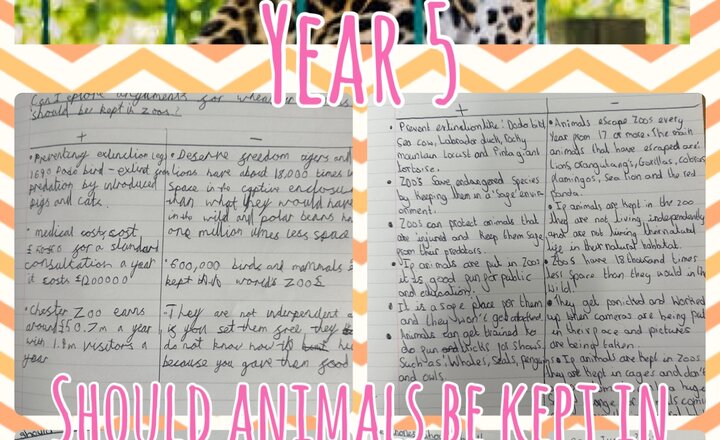
Year 5 - Balanced Arguments
Year 5 have begun researching one of the most debated topics - should animals be kept in Zoo’s? The children found out a number of alarming facts that are against Zoo’s such as: that animals have 1800 times less space in zoos than in the wild and animals are not evolving the way they should. But found many compelling reasons why animals should be kept in zoos such as: they live longer, stop species becoming extinct and it can advance medicine. The children will use these arguments to create their own balanced argument.
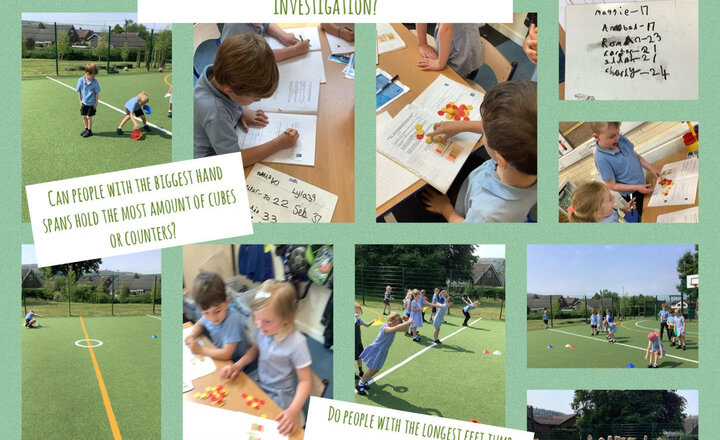
Year 1 Science- A Pattern Seeking Investigation
This week in science, Year 1 carried out a pattern seeking investigation. In groups of 5 or 6, they had to investigate whether the children who had the biggest hand spans could hold the most amount of counters or cubes and whether the children who had the longest feet could jump the furthest. Some teams found this to be true and other teams found this to be false. Therefore, Year 1 decided that overall as a class there can sometimes be a pattern/link between these two factors but not always. They said that they would like to try out some further investigations such as can people with the biggest hand span throw the furthest? Or can people with the longest feet kick the furthest?