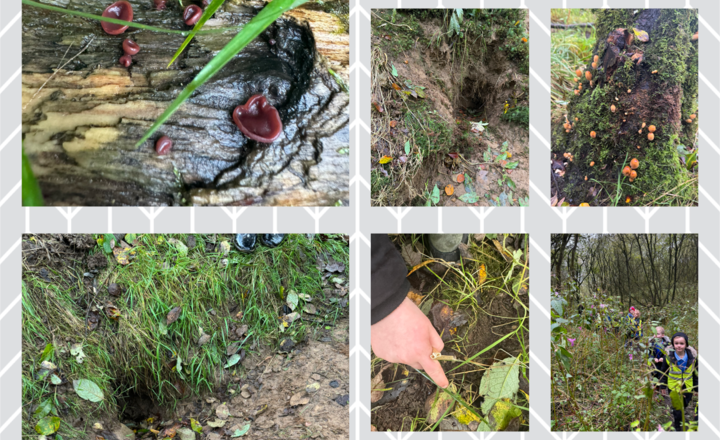
Year 2 - Microhabitat Hunt
We took our science lesson out into the woodlands of Jacks Key. We have been learning about habitats and that inside those larger habitats there are smaller microhabitats. We identified various microhabitats in the woodland such as under a log or rock, burrows and nests. It was great to go and find different living things that live in those microhabitats.
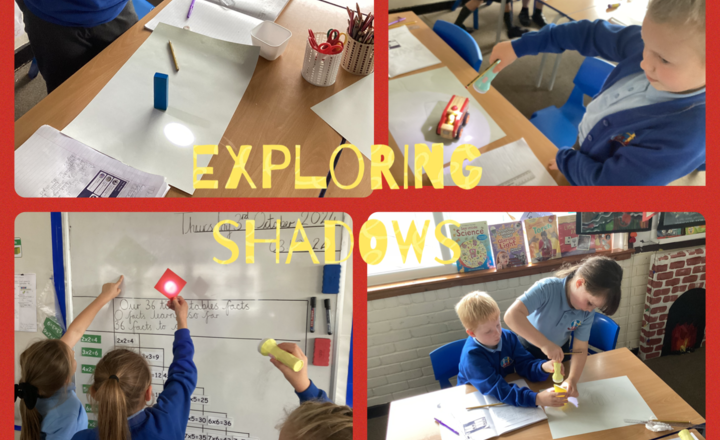
Year 3- Science- Investigating how shadows are created and change size.
Year 3 scientists had planned to conduct a shadow experiment outdoors using natural sunlight, but the weather turned overcast. Instead, they used a torch as an artificial light source in the classroom. The children recorded their findings using simple scientific language and drawings. They observed that the size of shadows changed when they moved the torch. They noticed that the shadows were smaller when the flashlight was closer to the object and larger when it was further away.
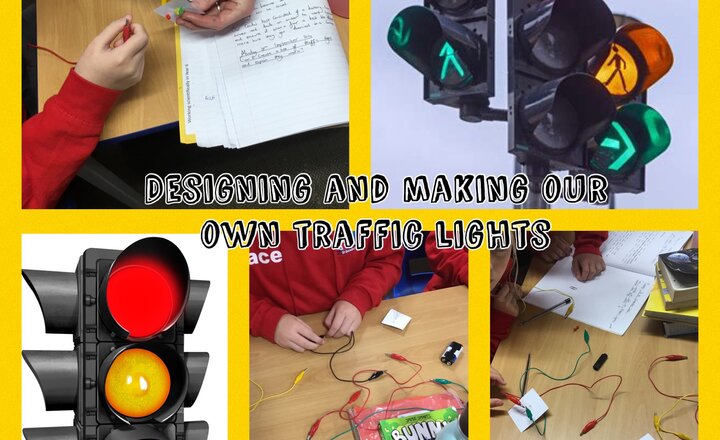
Year 6 Science - Designing and making our own set of traffic lights
In year 6, we combined the knowledge that we have gathered over the course of our electricity unit and attempted to make our very own set of traffic lights. The children had to make a complete circuit and ensure that only one light illuminated at a time. In order to do this, they had to be creative and create a three-way switch out of conductive material.
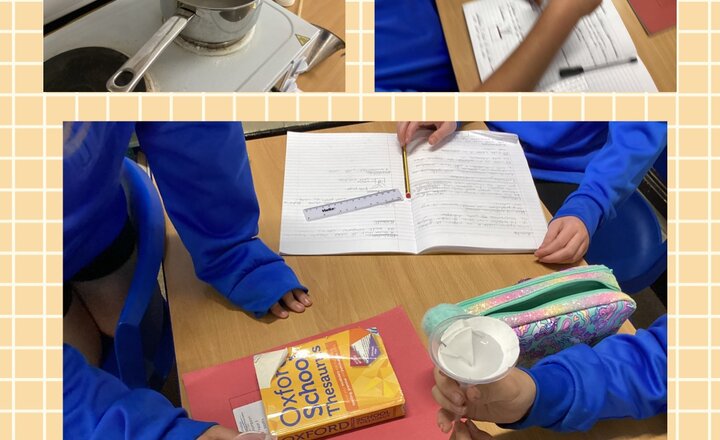
Year 5 - Evaporation and Filtering
Today, Year 5 engaged in hands-on experiments as part of their science unit on Reversible and Irreversible changes. They explored the process of evaporation by observing a solution being heated and noting how the liquid gradually turned into vapor. Additionally, the children were tasked with filtering different mixtures, discovering which substances could be separated through filtration and which could not. These activities helped them understand the differences between reversible and irreversible processes, while developing their practical scientific skills.
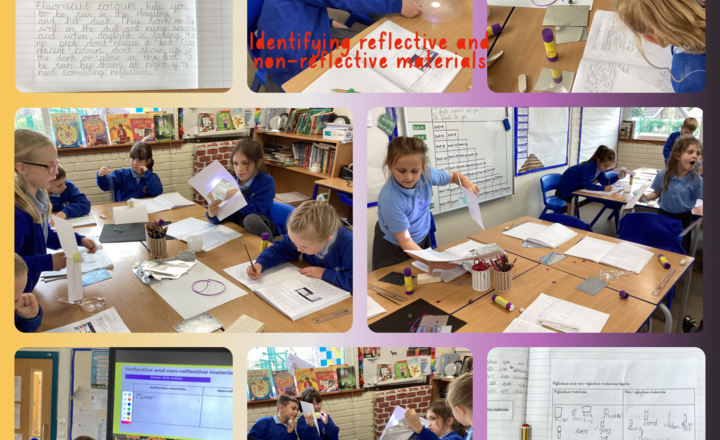
Year 3- Science- Exploring reflective and non-reflective materials.
This afternoon, Year 3 scientists investigated the concept that, while all objects reflect light to make them visible, certain materials are more effective at reflecting light than others. The investigation involved testing a variety of materials such as mirrors, tin foil, wood, sequins, ribbon, marble, and black cards using a reflective tester. The children created their reflection testers using a white card and a torch. They observed and recorded the effects of shining the torch on each material and documented their findings in a table. They experienced many "wow" moments throughout the investigation. They had a fantastic time acting as young scientists and also learned the importance of wearing reflective materials at night for safety.
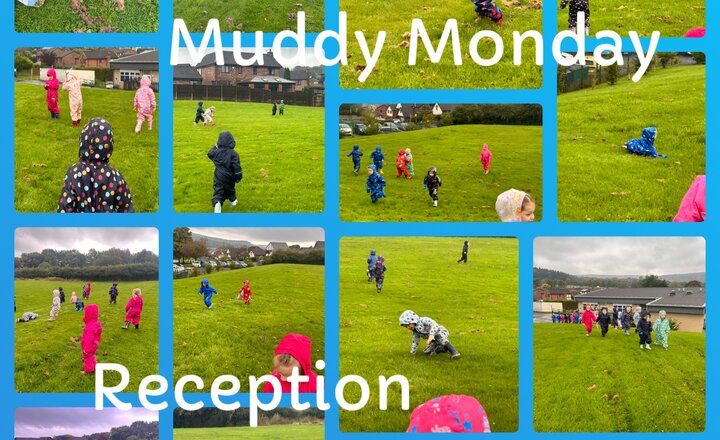
Reception: Muddy Monday
Reception class had their first Muddy Monday session and they walked up to our school field. The children stayed close to each other whilst walking and they all managed to get to the field safely. The children enjoyed rolling down the hill, racing and finding bugs in the grass. It was pouring down but the rain did not stop the,. They are looking forward to next week's Muddy Monday.
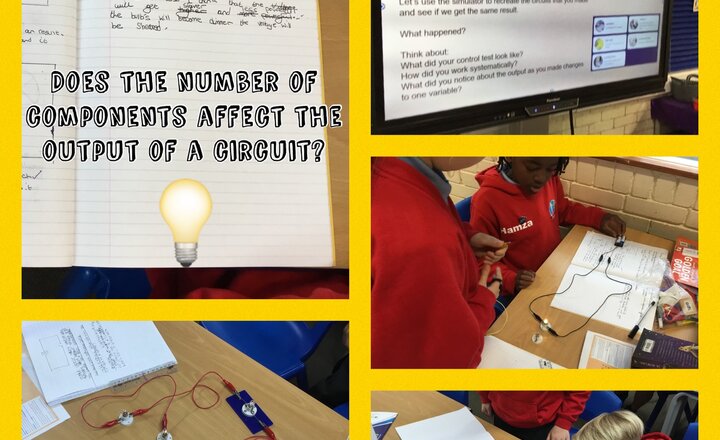
Year 6 Science - Does the number of components affect the output of a circuit?
In science, year 6 have been investigating whether the number of components in a circuit affects the output. To ensure this was a fair test we had a control test, which consisted of a battery, wires and a light bulb, and made sure only one variable was changed throughout the investigation: the number of bulbs. We noticed that as we added more bulbs, the dimmer they got. This is because the more components you have, the more resistance there is in the circuit.
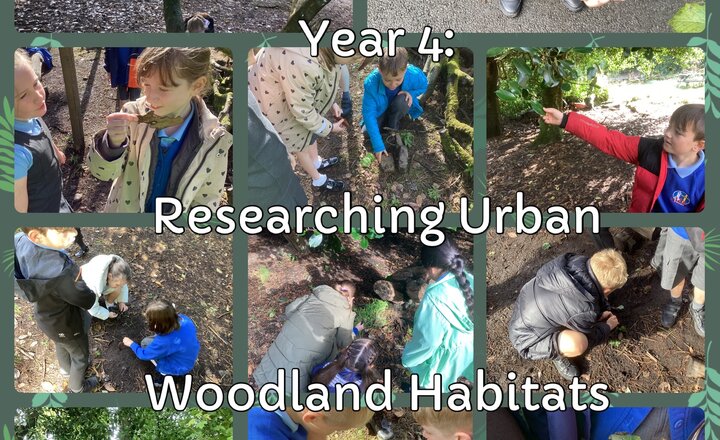
Year 4 - Science: Researching Habitats
This week, our super scientists in Year 4 headed to Whitehall Park to research an urban woodland habitat. We noted down any animals and plants we saw and commented on the climate and conditions. The children found various micro habitats too. They were able to identify the fundamental characteristics of a habitat and they used their knowledge to build micro habitats for insects.
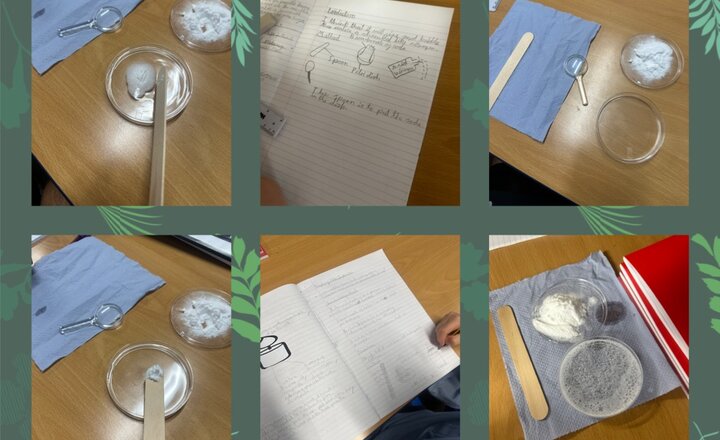
Year 5 - Irreversible Changes
This week, Year 5 explored the fascinating chemical reaction and irreversible change that occurs when vinegar is mixed with bicarbonate of soda. During their experiments, the children observed how the mixture produced a gas, resulting in bubbling and fizzing as carbon dioxide was released. They noted that the original substances could not be recovered, making this a clear example of an irreversible change. After conducting the experiment, the children wrote detailed reports, describing their observations, the chemical reaction involved, and why this reaction cannot be reversed. It was an exciting hands-on lesson in science, reinforcing the concept of irreversible changes in a fun and engaging way.
.png)
Year 3- Science-Using scientific evidence, and explain the effectiveness of suncream as protection against the sunlight
In Science this afternoon, our future scientists discovered the importance of the sun as the ultimate energy source for all life on Earth. They also learned about the various ways in which exposure to the sun can be dangerous for humans. We made a prediction first on what might happen to the ultraviolet beads with no suncream or a lower SPF. These beads contain a special chemical that changes colour when exposed to ultraviolet (UV) light. UV is an invisible type of light from the Sun. The results from this investigation showed the ultra violet beads with SPF 15 had some protection. Some of the beads changed colour in the sunlight, but others stayed the same, showing that the SPF 15 didn’t fully protect them. The beads covered in SPF 30 had much better protection. Most of the beads stayed white, but a few changed colour. The beads with SPF 50 stayed fully protected and didn’t change colour at all when in the sun. When the beads with no SPF cream were exposed to the sun, they changed colour straight away. The light made the beads react quickly because they had no protection. Year 3 learnt, while sunlight is essential for many natural processes and for our health, overexposure to the sun's UV radiation can have harmful effects on our skin, eyes, and overall health. To stay safe while enjoying the sun, it's important to take measures to protect yourself from harmful UV radiation.
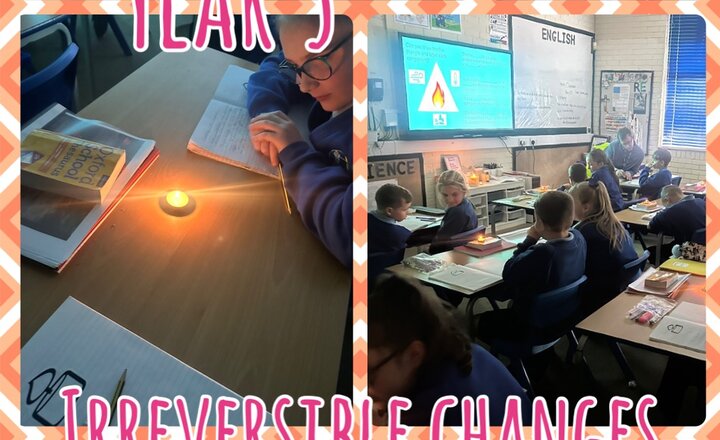
Year 5 - Irreversible changes
This week in science, Year 5 delved into the fascinating world of irreversible changes by experimenting with candles and exploring the process of combustion. The children carefully observed the behavior of burning candles, noting changes such as melting wax and the production of gases. They then created detailed diagrams to explain the scientific processes at play, including the release of carbon dioxide and water vapor during combustion. Through these observations, the children gained a deeper understanding of how chemical reactions work and why some changes cannot be reversed.
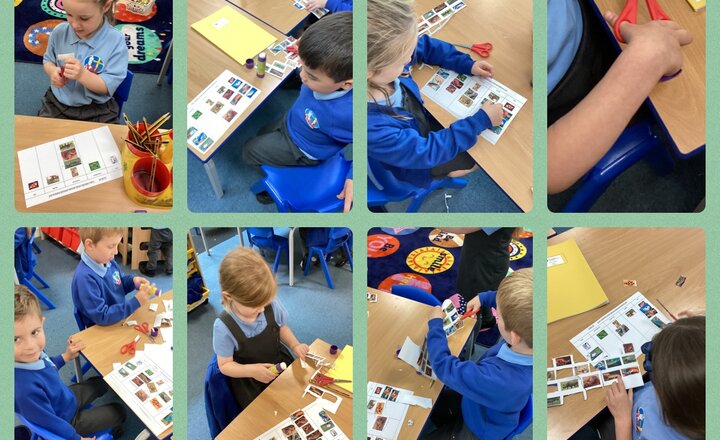
Year 1 Science- Can I Identify What Group an Animal Belongs to?
This afternoon in Year 1, we explored the different animal groups (mammals, amphibians, reptiles, birds and fish) and discussed the features of animals in each of these groups such as having hair, scales, wet skin and feathers. We then looked at a variety of animals and sorted them into each of the five groups.