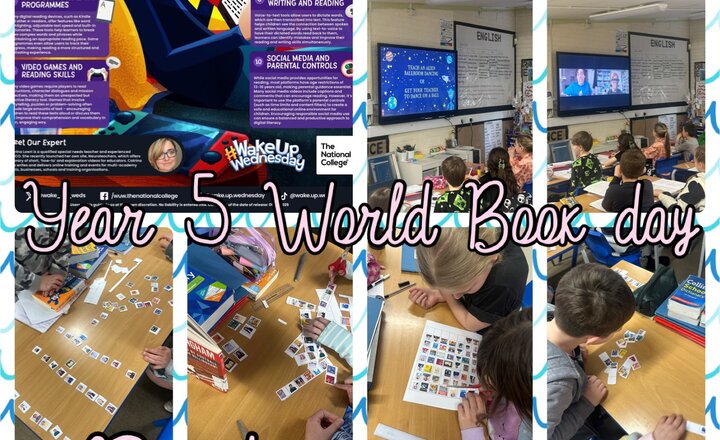
Year 5 - World Book Day
Today, as part of World Book Day, Year 5 took part in a variety of exciting activities linked to this year’s theme, “Read Your Way.” The day began with a whole-school worship, where children explored the different places we can enjoy reading. They also took part in a fun guessing game, trying to identify which staff member was hidden behind a book. Back in class, the children tested their knowledge in a quiz, matching staff members to their favourite books. They then took part in an online live author session, gaining insights into storytelling and the writing process. To finish the day, the children explored this week’s E-Safety poster, which focused on how technology can enhance reading. They discussed the benefits of e-books, audiobooks and reading apps, reflecting on how digital tools can support their love of reading. It was a fantastic day celebrating books, stories and the joy of reading in different ways!
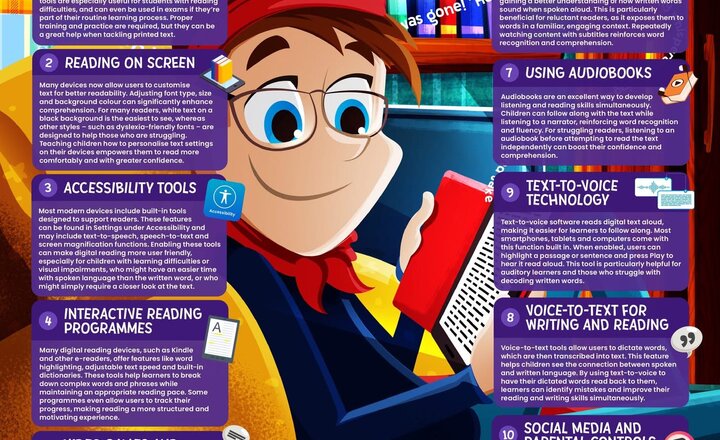
Online Safety: Using Technology to Boost Reading Skills
It’s World Book Day today – the perfect time to celebrate reading in all its forms! The way we read is changing – social media captions, video game instructions, and e-books are all shaping modern literacy. But did you know digital tools can boost reading skills for young learners? This week, we’re sharing ten top tips to help parents and educators support struggling readers using technology! Get our FREE #WakeUpWednesday guide – also available as a podcast – and discover how to make reading more accessible and engaging! Download here >> https://ow.ly/y8eg50Vamjh Listen here>> https://ow.ly/GEBO50Vamji
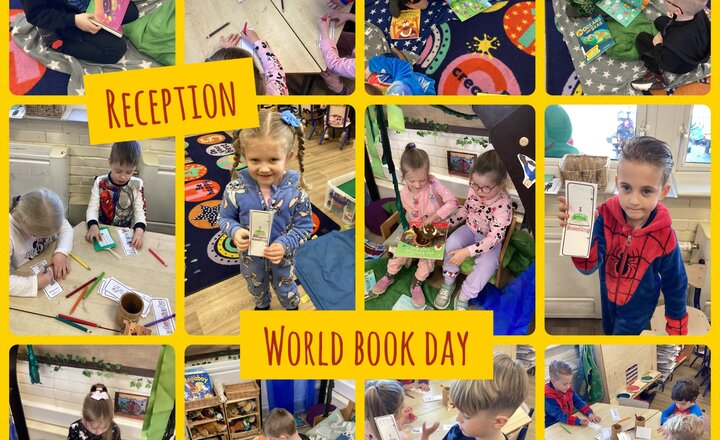
Reception World Book Day
Reception have been enjoying taking part in World Book Day activities. They have been looking at lots of different books in class and have been decorating their own bookmarks to take home to use with their own books.
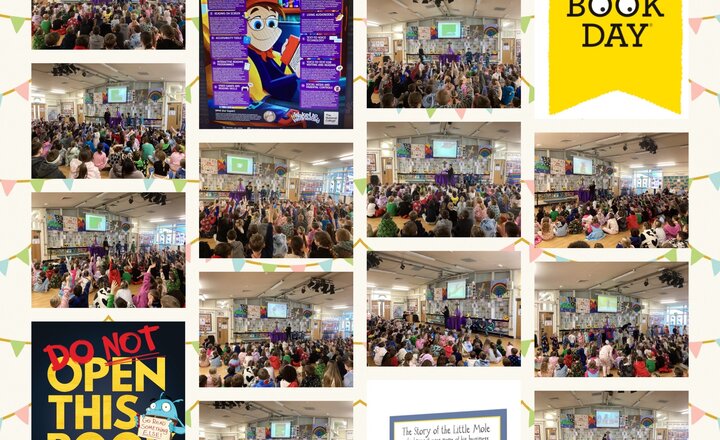
World Book Day Worship
World Book Day Worship This morning we launched World Book Day 2025 with a lovely Worship led by Miss Flynn and the librarians. We started with a book- Do Not Open This Book by Andy Lee. The children absolutely loved listening to the story and definitely did want to OPEN THE BOOK and turn the pages so that they could read the whole book! The theme for this years World Book Day is Get Ready to Read Your Way which encourages us all to read wherever and whenever we want. Next the librarians, Walter, Elliott, Tristan and Ivy, led a quiz where the children had to guess where you might enjoy a good book from the pictures on the screen. We had some great answers which included: in the car, whilst walking the dog, at the park, in the library, in bed, in a den, outside with our friends, in the bath, in the dentist or at school. The children that guessed correctly won a special WBD prize. In the next part of the quiz, the librarians shared a slide with four pictures of our school staff with their faces covered reading books in their favourite places. There was A - Miss Kachwalla in the bath, B - Mr Bloomfield in the living room, Mrs Singleton in the staff room D , - Mrs Govan in her bedroom, E - Mr Norris on the sofa - Miss Lyon’s reading with her daughter in bed,- G - Mrs Wilkinson - sat on the sofa, H- Miss Flynn reading to her child. To end the special Worship we shared The Story of The Little Mole Who Knew It Was None Of His Business by Werner Holzwarth and Wolf Erlbruch. We can’t wait for the rest of our World Book Day activities which include a live workshop, teachers sharing their favourite books and how we can use our WBD token so that we can get a free book.
Year 4 English - Identifying Plot Patterns
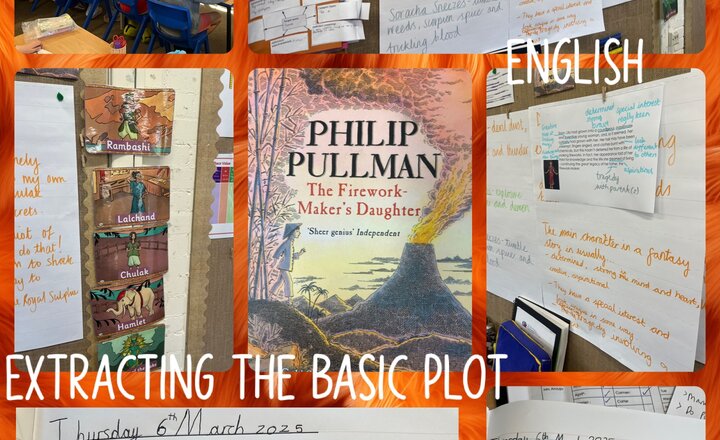
As part of English, we are studying the book The Firework Makers Daughter. In today’s lesson we have been extracting the basic plot using the boxing up method. We looked at the four main parts of the story and this will support us when we move on to plotting our own story both scaffolded and independent versions later in the unit. We can’t wait to develop our own versions by changing the characters and what they create instead of a firework.
Year 2 - Live lesson with Laura Baker
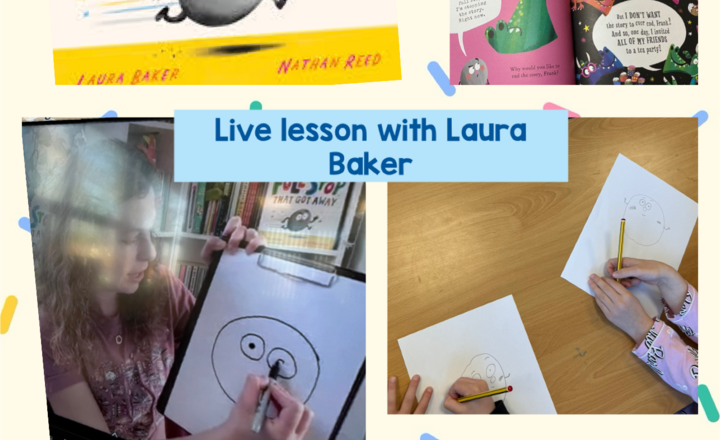
This morning, Year 2 joined a live session with author, Laura Baker. She is the author of the new book ‘The full stop that got away’. It was a funny book with lots of mischievous characters, especially Frank the full stop. It also gave us a little reminder of when to use full stops and different punctuation we can choose to use at the end of our sentences. After Laura had read her new book for us, we then got our chance to be an illustrator and draw Frank the full stop in different poses and with different expressions on his face. The children loved hearing from a real life author and getting a sneak preview of a brand new book.
Year 6 English - Goodnight Mister Tom
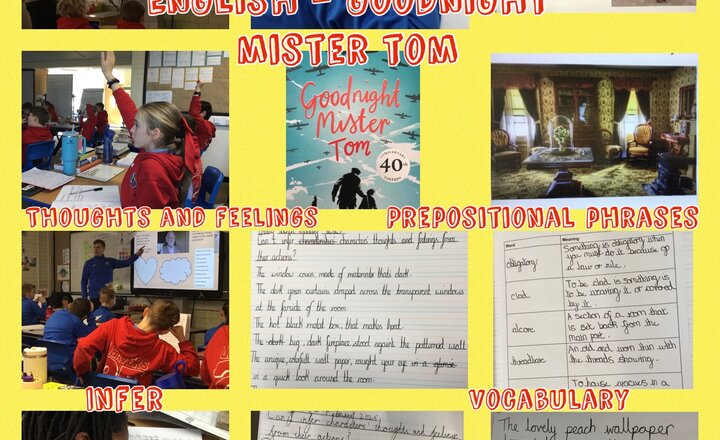
In English, Year 6 have been combining their grammar work on prepositional phrases and expanded noun phrases with inferring characters’ thoughts and feelings at key points in the story of Goodnight Mister Tom.
Year 4 - English: Reading & Analysing
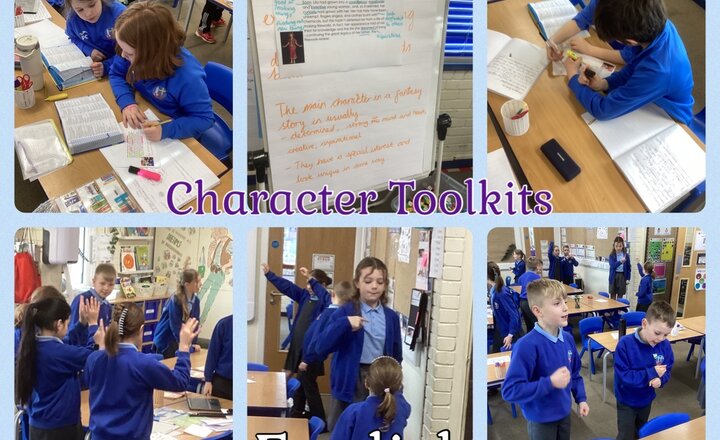
It’s been a dramatic few days in English in Year 4. We started on Monday with some hot seating to help us understand the character. On Tuesday, we created a main character toolkit for a fantasy story. And then on Wednesday we used actions and symbols to learn a short passage from our class novel.
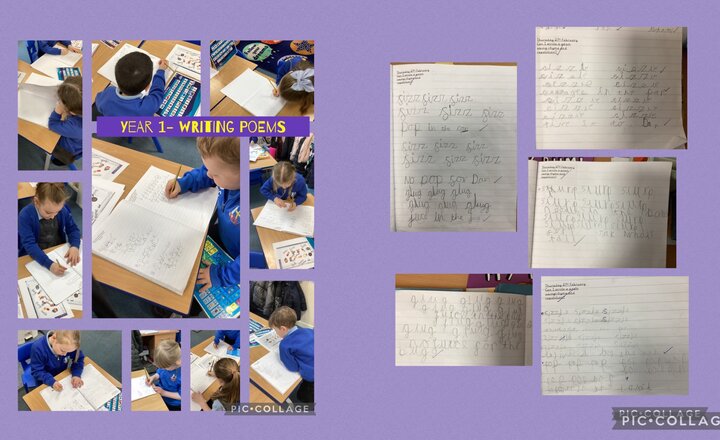
Year 1 English- Writing Poems
Year 1 have been busy writing their own poem based on ‘The Magic Porridge Pot.’ To do this, they have gathered ideas for different foods and the sounds that they make such as sausages sizzling, biscuits snapping, crisps crunching, noodles slurping, juice glugging, pop fizzing and bubblegum popping and also generated rhyming words. Well done Year 1!
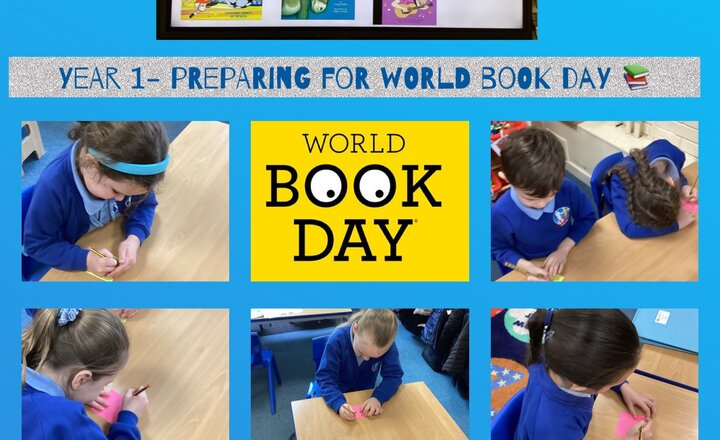
Year 1 English- Preparing For World Book Day
There was great excitement in Year 1 this morning as they each voted for the book that they would like to listen to on World Book Day. They made their decision by listening to the title and the blurb of each story.
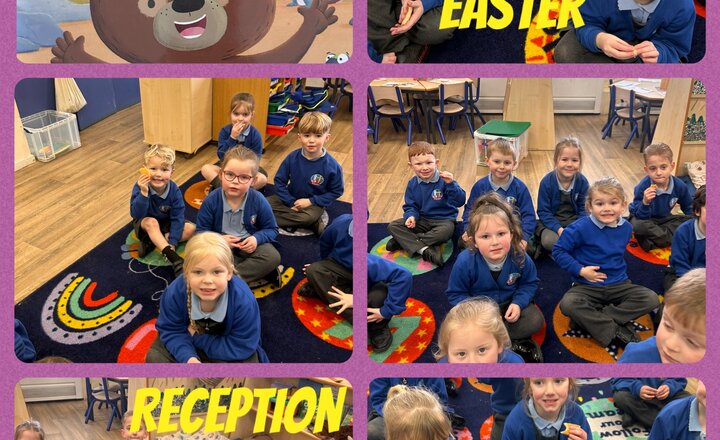
Reception: Easter Unit Launch
Our Reception class launched their Easter unit today. Today it is Shrove Tuesday which is the day before the start of Lent. We all shared some pancakes together whilst we listened to the Easter story. The children then retold parts of the story. Willow said that Jesus was not in the tomb, Reggie said there was an earthquake, Ralphi said that the angels told the women that Jesus was alive, Minnie said Jesus rose from the dead, Will said the crowds bowed down to a Jesus and Ava said everyone was happy.
.png)
Year 2 - Retrieval skills
This week, we are continuing to explore our new book ‘The King of space’. Today we built on our retrieval skills that we have been improving in our guided reading. We had questions that to answer we had to search for the answer in the text. We used our magnifying glass to show exactly where the answer was in the text. We are also starting to practise writing our answers in full sentences and will continue to practise using full sentences. This week, we will need more retrieval skills to learn more about the evil, child genius Rex.
.png)