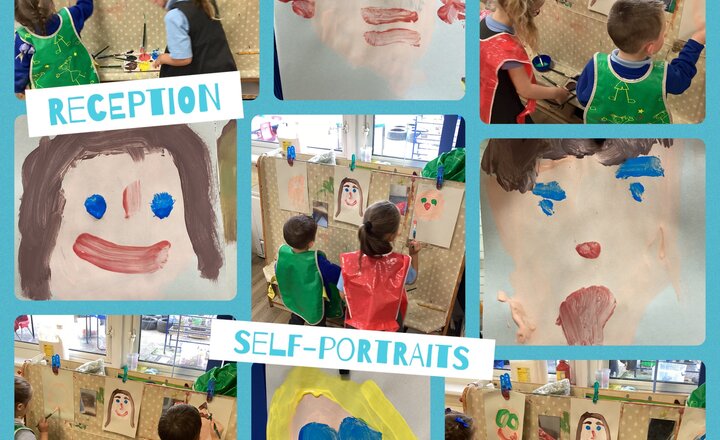
Reception - Self Portraits
This week, Reception have been looking at their facial features in order to paint self-portraits. We talked about features such as eye colour and how they are all different to each other. We used mirrors to look at our own features so we could select the correct colours to use for our paintings.
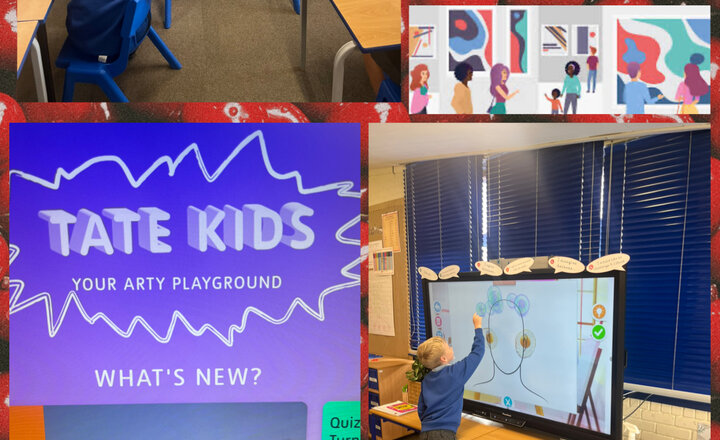
Year 4 Art - The Role of a Curator
In our first art session we looked at the role of a curator within an art gallery. We explored what a curator does, what skills they need and how they decide on what is displayed. Following this we then explored Tate Kids which is described as an arty playground for kids. There were so many different features to access but we especially loved Tate paint and draw. You can study lots of different artists here, take part in quizzes and even upload your very own creations into the Tate kids gallery so that other children can look at the master pieces that we produce. What a great first session!
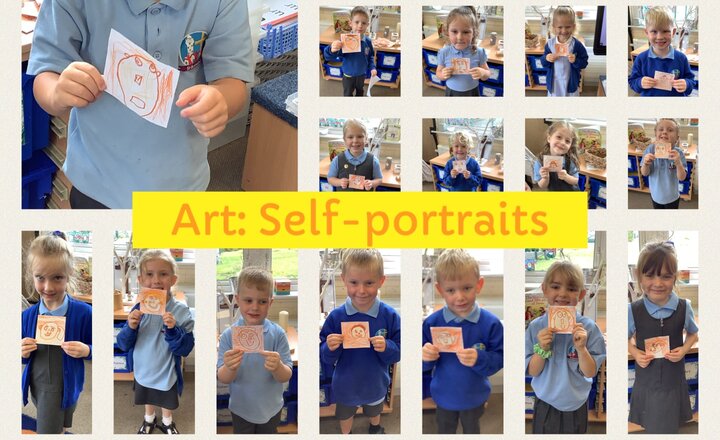
Year 1 Art: self-portrait
Our school is creating a lovely rainbow display with each child’s own portrait. Our class colour is orange. Year 1 have made a brilliant effort with their self-portraits. They added in their facial features such as eyebrows, mouth, eyes and nose. These will also be displayed in the corridor outside of our classroom.
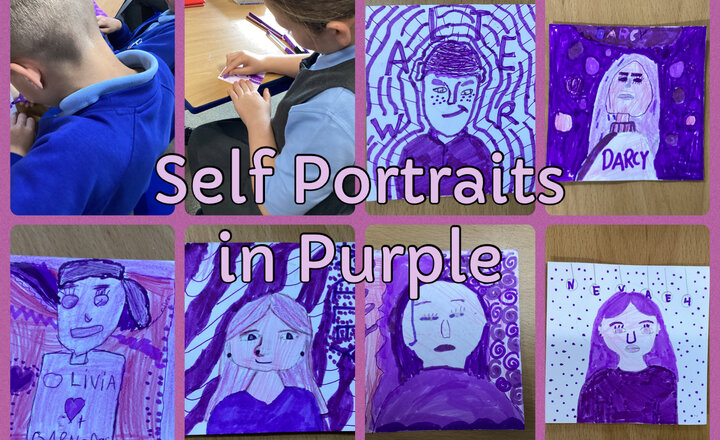
Year 5 Artwork
As part of an exciting new school family display, Year 5 were tasked with creating a self-portrait exclusively in the colour purple. All of the children have done a fantastic job and created some beautiful artwork!
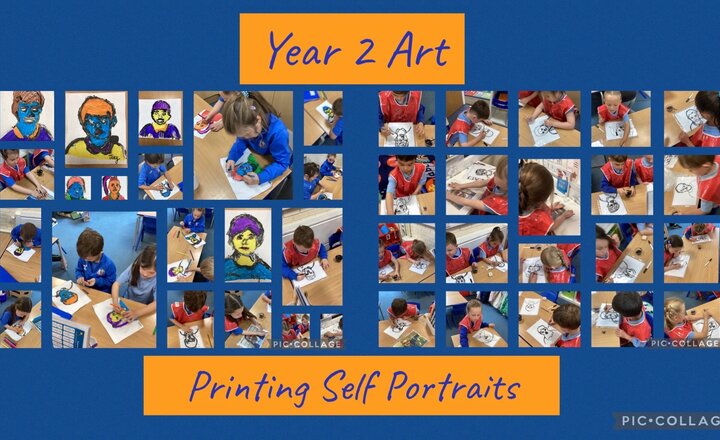
Year 2 Art- Printing Self Portraits
For the art display in the infant corridor, Year 2 have been busy creating their own self-portraits. They created an outline of their faces using black paint before transferring this onto a white piece of paper to create a print. Finally, they added some colour to their prints applying their knowledge of contrasting colours on the colour wheel. Well done Year 2, they look amazing!
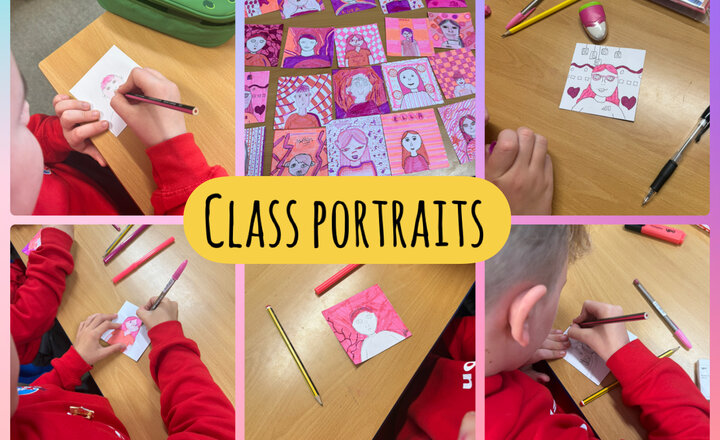
Year 6 - Class Portraits
As part of the whole-school portrait display, Year 6 created their own unique portraits in shades of pink, completing the final colour of the school rainbow. Each portrait reflected the individuality and creativity of the pupils, while together they formed a powerful symbol of unity across the school.
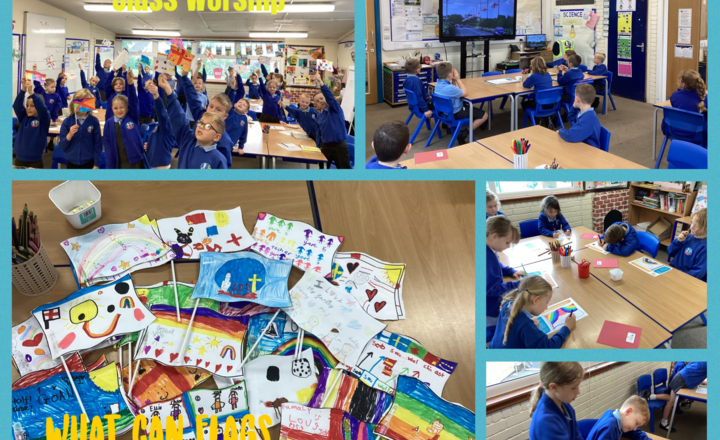
Year 3- Class Worship- What can flags represent?
This morning in our class worship, we used a "Picture News" to discuss a recent news story about flags being displayed across the UK. We explored different opinions, considering why people might see the flags as a way to show pride for their country and support for sports teams. We also discussed the concerns of others who feel the flags can be used to make some people feel unwelcome. After our discussion, the children were challenged to create their own flags to represent something important to them, such as their family or school. They had the chance to think about what symbols, colours, and words they would include to show what they believe in. The activity helped them understand how flags can be powerful symbols that bring people together but can also be used to divide. Some of the children created a flag with a drawing representing each family member, their favourite sports, favourite colours and hobbies etc.
Year 4 Art Geographic Patterns
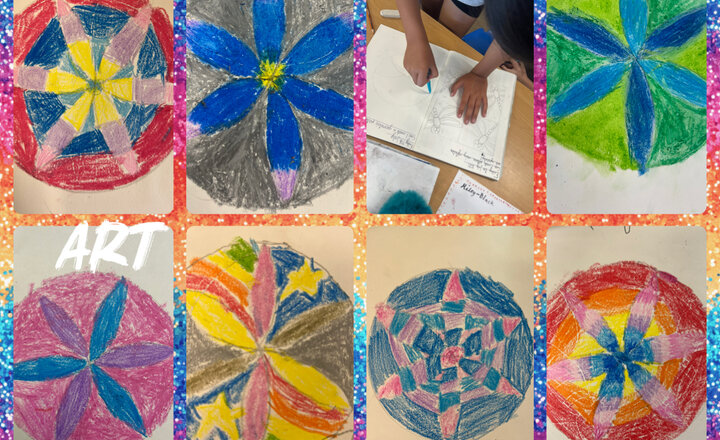
In our art session this week, we have been looking at geometric patterns using a compass.. we created flowers of life by making semi circles with the compass. It was super challenging but the children persevered and created some lovely designs which they counted in with didn’t media such as wax crayons, pastels and pencil crayons.
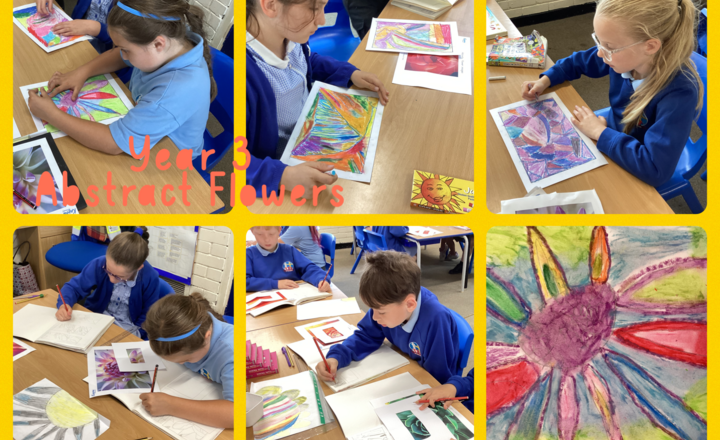
Year 3- Art- Our Abstract Flower Drawings
This afternoon, Year 3 became abstract artists, just like Georgia O'Keeffe! They each worked with a flower picture, using a special viewfinder to explore different parts, zooming in to find interesting shapes and lines. They sketched these zoomed-in sections into rectangles in their sketchbooks, creating a few different compositions. Finally, they picked their favourite sketch and drew it much bigger on a large piece of paper, using all the skills they've learned to create their very own abstract flower masterpieces.
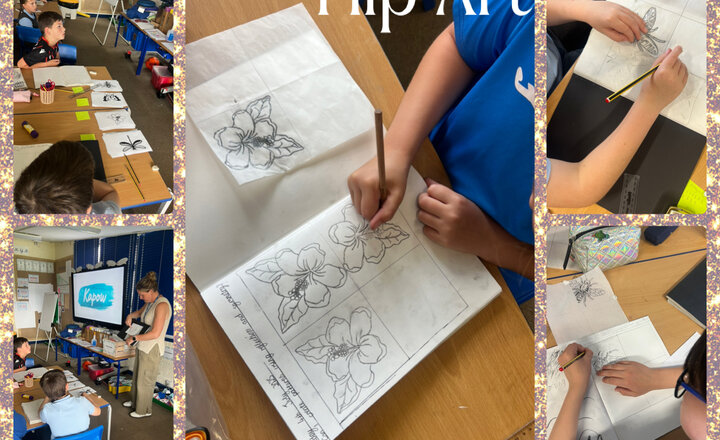
Flip Art in Year 4
As part of our art unit - The Formal Elements of Art, this week we focused on Flip Art. The children first created a 20cm x 20cm grid split into 4 10x10cm squares. Next they selected a an image of a simple insect or flower and then selected a part of it to trace. Once they had traced it into a 10cm x10cm square they then ‘ flipped it’ and applied pressure to print the image on the first square. This was then repeated 4 times to create the end piece. As you can see from the images they were super impressive!
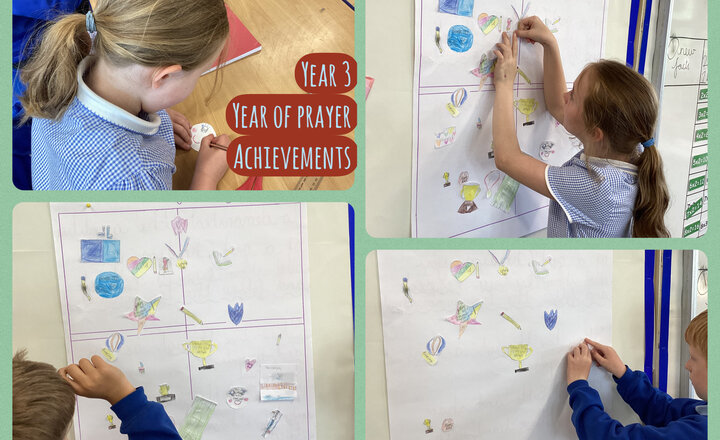
Year 3- Year of Prayer-Our Achievements in drawings.
As part of this week’s Year of Prayer reflections, the children took time to celebrate both their milestones and our collective achievements as a class over the past year. Each child thoughtfully created a drawing/ shape to represent something they were proud of trophies for sporting triumphs and accomplishments outside of school, pencils for their progress in handwriting, reading books to show how far they’ve come in reading, musical notes for learning new instruments, and stars for moments of kindness, courage, or perseverance. These drawings now brighten our classroom walls, forming a display. Together, they remind us of how we have each grown in confidence, character, and faith, truly living life in all its fullness.
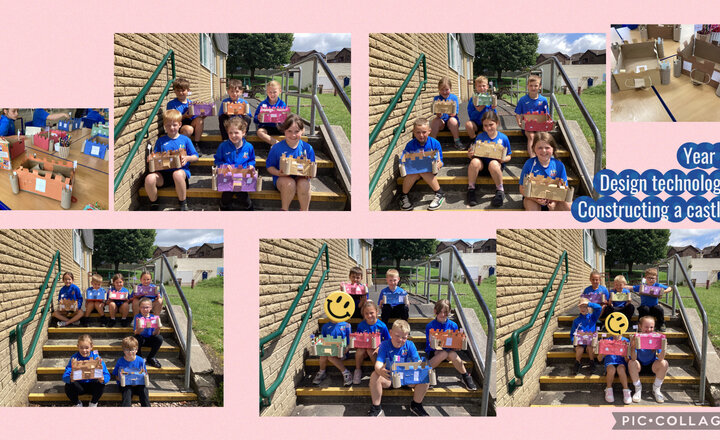
Year 3- Exploring Design Technology Through Castle Construction
Over the past few weeks, the Budding designers have been learning the skills needed to design and build their own castles. They explored the features of castles, practised using tools for cutting, shaping, and joining materials, and sketched detailed designs of what they wanted to create. Today, our young designers finally brought their ideas to life. After watching the Pupil video Constructing a Castle for guidance, they began building their structures. Using shoeboxes from home as sturdy bases, the designers constructed turrets from cardboard tube rolls, battlements from sugar paper, and added flags made from straws and coloured card. Each castle was unique, reflecting the creativity and planning of its maker. The children selected from a variety of tools and materials, using them carefully and with purpose. Many included features such as drawbridges, windows, and gatehouses, and some even furnished the interiors of their castles with handmade items. In the next lesson, the children will evaluate their finished structures, considering what went well, what could be improved, and how effectively their design ideas were brought to life.