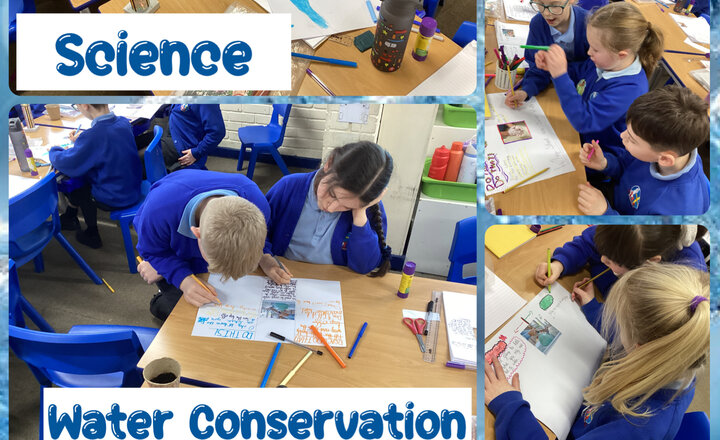
Year 4 - Science: Water Conservation
To wrap up our Spring 1 science unit, the Year 4 class were learning about the importance of water and how we can conserve it. They learned that they should be drinking at least 6 glasses of water per day and that it must be clean and pure for it to be drinkable. They found out some issues with leaving taps running unnecessarily and they discussed ways in which we can all conserve water. The children then worked in small groups to choose an issue and create a poster showing how to conserve water. The children will be presenting these in a whole school worship next half term.
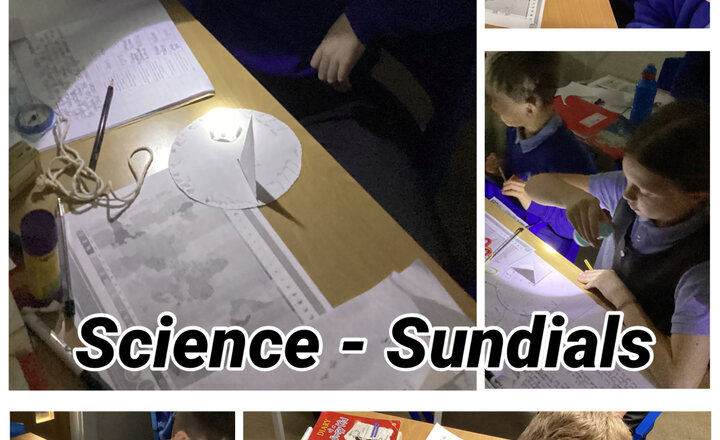
Year 5 - Science
We discussed how the anti-clockwise rotation of the Earth causes the transition of the Sun across the sky, rising in the east and setting in the west. Then we used this knowledge to build a sundial, mimicking the Sun’s journey by using torches and using shadows to link the position of the sun to different times of day.
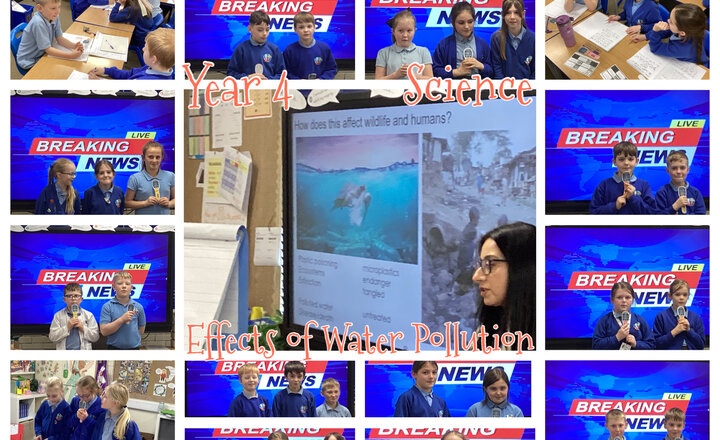
Year 4 - Science: Water Pollution
Our lively Year 4s relished the chance to become news readers in science this week. The children learned about different types of water pollution and how each type can have harmful effects on living things. Their task was to take the information they had learned and then work in groups to write a short report on an instance of water pollution and its effects. To finish, each group reported their water pollution news story to the rest of the class.
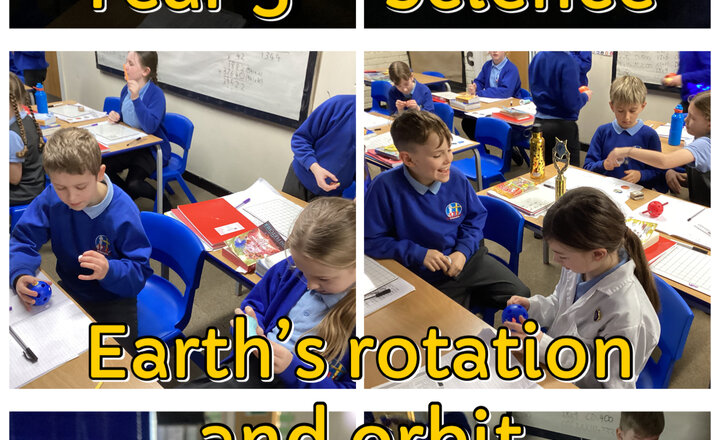
Year 5 - Science
In science we learned about how the Earth moves through space. It rotates on its axis once every 24 hours, which is tilted by 23 degrees, and orbits the sun once every 365.25 days. We modelled this movement using torches and balls to understand how day and night and the seasons are a result of these properties of our planet.
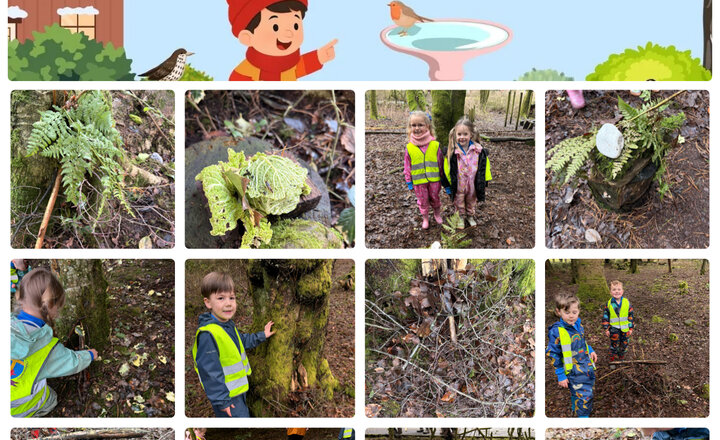
Reception: Muddy Monday
As part of the Ruby Robin Award, our Reception class participated in the "Craft and Care" challenge today. The children visited Whitehall Park to build bug houses using resources they collected themselves. We are incredibly proud of their hard work and creativity; we even saw some bugs starting to move into their new homes! Well done to our Reception class on a fabulous job.
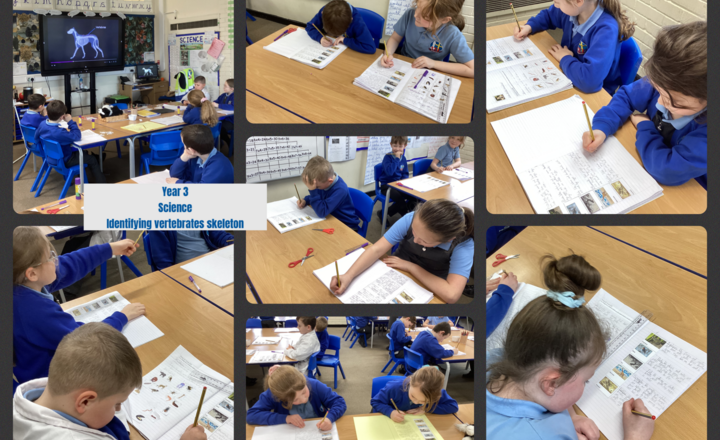
Year 3- Science-Exploring how a vertebrate’s skeleton provides support and protection.
In Science today, the children explored how a vertebrate’s skeleton provides support and protection while allowing for movement. Building on their skills from previous years, they used online quizzes to test their knowledge and check their understanding. They were particularly fascinated to discover that even a snake has a spine, finding it very interesting to see how such a long, flexible animal is still classified as a vertebrate!
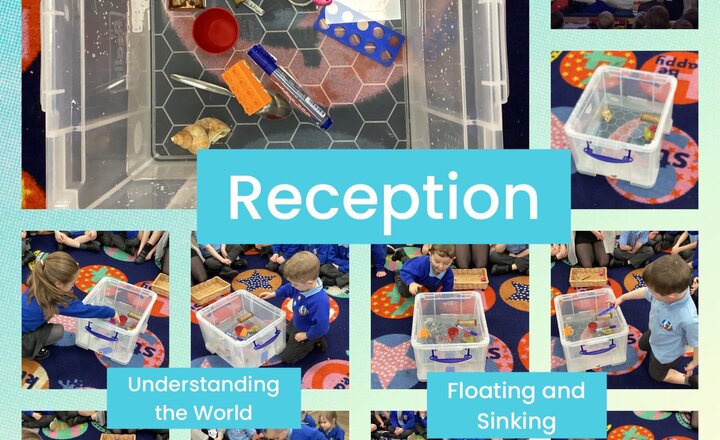
Reception - Floating and Sinking
Today, our mini-scientists explored floating and sinking through a hands-on water workshop. The children made "best guesses" (predictions) about which objects would stay on top and which would drop to the bottom using the vocabulary floating and sinking. We tested a range of objects from metal spoons to Lego pieces. This activity helps children to understand the world around them by observing how different materials behave, encouraging them to think critically about why some large items float while small ones sink.
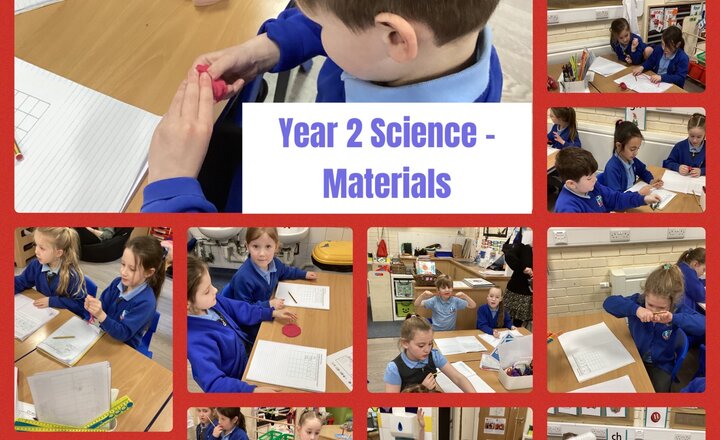
Year 2 Science - Testing the Properties of Materials
In Year 2, we have been investigating some of the different properties of materials. We tested whether or not different materials can be bent, twisted, squashed and stretched.
Year 5 - Science
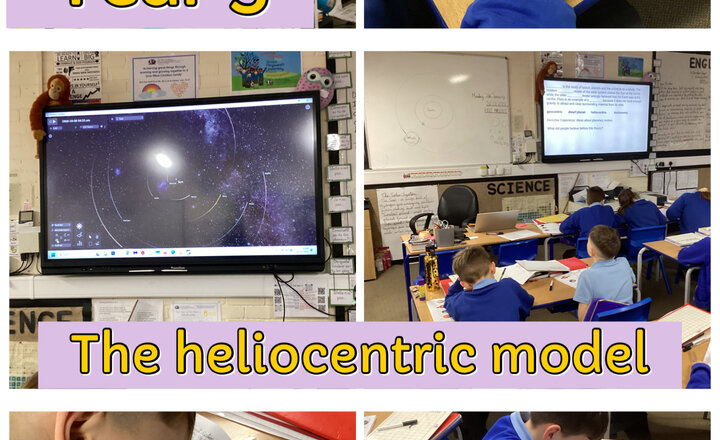
In science, we charted the history of astronomy as scientists developed a modern understanding of the solar system. We learned how new astronomical observations challenged Ptolemy’s geocentric view that the Earth was the centre of the Universe. Copernicus used this data to create a heliocentric model, where the sun is at the centre and the Earth orbits it. We discussed why people may have held the geocentric view alongside the evidence that challenged it.
Year 4 - Science: Air Pollution
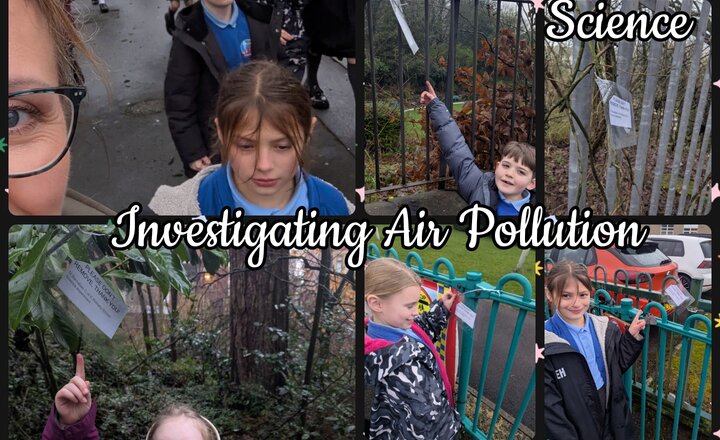
The Year 4 super scientists undertook some fieldwork this week. They will be comparing the level of air pollution in 4 areas within our locality and so they suggested some areas to test and off we went to place our test cards. One side of each card was covered with a thin layer of Vaseline with the idea that some particles released from vehicles and machinery will stick to the cards and we can observe and discuss the level of pollution in each area. We also took a reading of the noise level in each area using a decibel meter so that we could determine whether there is a link between noise level and pollution level.
Year 4 - Life Education
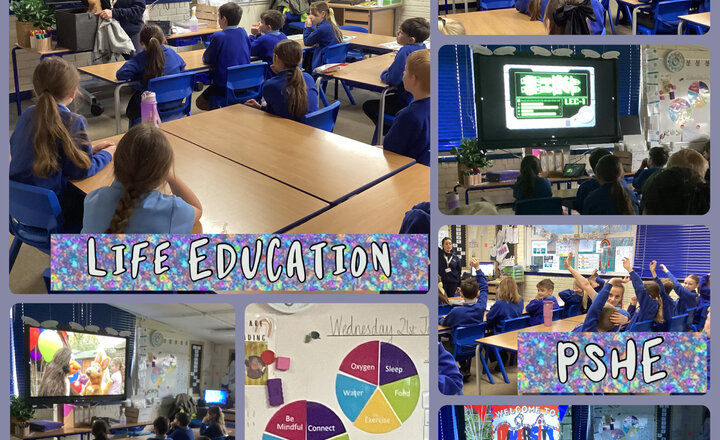
The children love a visit from Harold the Giraffe and the Life Education team. Today, the Year 4 class learned about ways to look after our bodies and our wellbeing. Beginning with a look at our bodies’ basic needs, we considered how we can take care of ourselves physically. The children learned why sleep is so important and that sometimes our bodies may need medication to bring them back in balance. They also learned about some problems associated with misusing drugs. Our session also covered friendships and diversity, highlighting the positives of being different to each other. After short video clip of Harold and his friends at a theme park aided a discussion about conflict resolution with particular attention on having different interests but finding a compromise. Finally, the highlight of the session was a visit from Harold.
Year 1 Science: Describing Materials
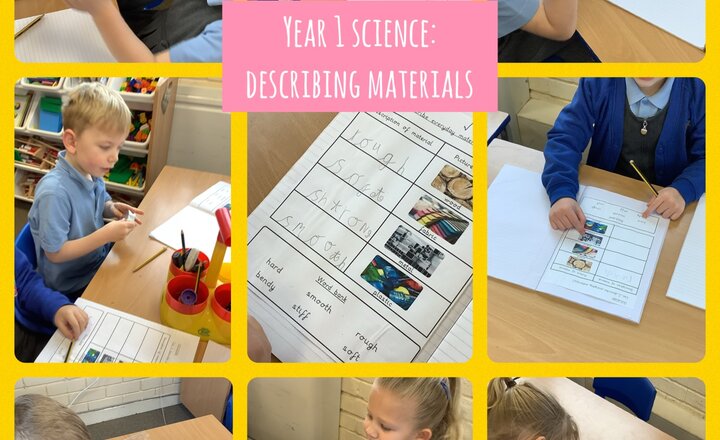
Year 1 have started their new topic all about materials. We looked at four common materials: plastic, wood, metal and fabric. The children knew lots of objects that are made from these materials. We took turns to feel these objects and then described them using words such as hard, soft, bendy, rough and smooth.