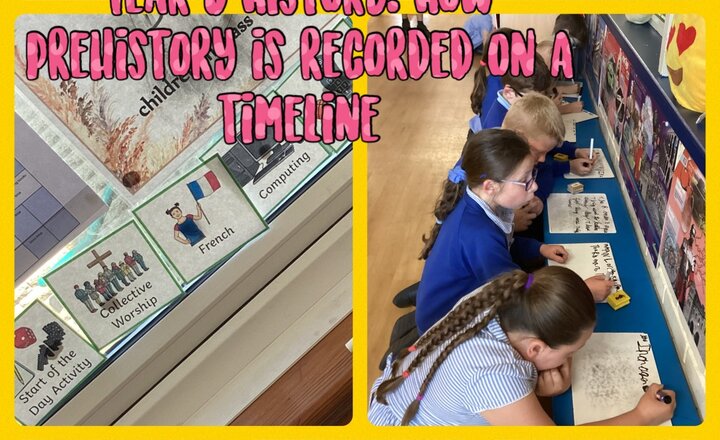
Year 3 - History- Creating a timeline from 4500 BC to the Modern Era
For our history unit this term, Year 3 are focusing on prehistoric Britain focusing on the Stone Age, Bronze Age and the Iron Age. We began by looking at how our visual timetable reflects the present and the past, before exploring the timeline in our school hall charting human history from 4500 BC to the modern era. The children chose facts that they found interesting and shared these with the class. We then created our own timelines recognising that we explore history from the present era of 2000AD and move back through time prior to the birth of Christ which we marked on our times as BC.
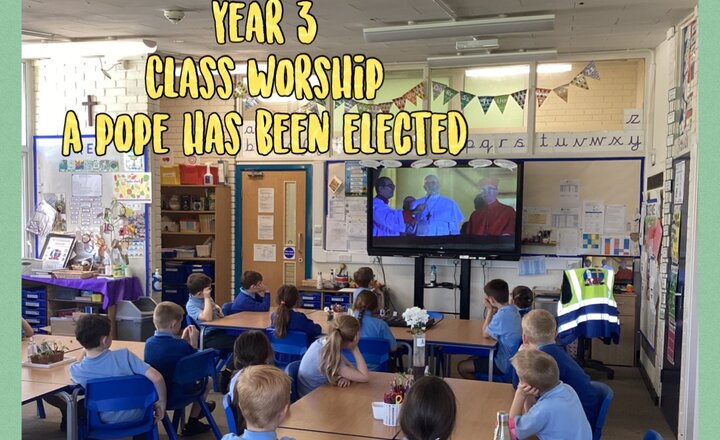
Year 3 - Class Worship- A new Pope has been elected.
Today in our class worship, we learned about the exciting news of the new Pope. Cardinal Robert Prevos, history’s first-ever North American pope. We discovered that the Catholic Church, a worldwide community, has a leader who helps unite everyone. We also touched on how there have been many Popes throughout history, each playing an important role. This leader helps Catholics worldwide feel connected and share the same beliefs. We took a moment to appreciate how important it is to have someone who works to unite people.
.png)
Year 3- Class Worship - Young Inventors
Today's Picture News class worship highlighted the inspiring ingenuity of three teenagers from India who developed a salt-powered fridge to aid hospitals in rural areas lacking electricity. Reflecting on this through the lens of "windows, doors, and mirrors" in spirituality, the teenagers' story served as a "window" into the needs of others and the power of innovation. We then considered the everyday items that ease our own lives, such as the convenience of a hairdryer, the ready access to running water, and the efficiency of an air fryer. This reflection acted as a "mirror," prompting us to appreciate the impact of even simple solutions on the quality of life. Inspired by the teenagers' creativity, which we saw as an open "door" of possibility, Year 3 resolved to embark on our invention journey, recognising our potential to make a positive difference in the world. This experience connected with the Christian value of hope and the biblical message of using our creativity to serve others. Isaac led a prayer thanking God for inspiring ideas and creative minds, emphasising the importance of using our abilities to make a positive impact, even through small acts of kindness and imagination.
.jpeg)
VE Commemoration- Red, white and blue day
Today, our pupils and staff dressed in red, white and blue to commemorate the 80th anniversary of VE Day. We came together to remember and honour those who served, and to reflect on the importance of peace and unity. As part of our celebrations, we’re supporting the Royal British Legion. If you’d like to make a donation, you can do so easily via ParentPay. Every contribution helps support veterans and their families. Thank you for helping us make this day meaningful for our school family! #VEDay80 #StBarnabasRemembers #RoyalBritishLegion #RedWhiteBlueDay
.png)
Year 3 - VE 80 Great Big Live Assembly
Yesterday, Year 3 looked at a presentation that helped the children understand the lead-up to the Second World War. We reflected on the reasons for the World War and the devastation it caused. We recognised how the war ended after six years and listened to a man named Alan, who shared his personal memories of the War. We then discussed our own perspectives and why it is important to remember those who sacrificed their lives. Finally we ended the session with a quiz to test our knowledge about what we learned. Today, the children joined a special "Great Big Live Assembly" commemorating Victory in Europe Day (VE Day). This significant historical event, observed on May 8th, 1945, marked the end of World War II in Europe, bringing immense relief and joyous celebrations after years of conflict. The assembly helped our young learners understand the importance of this day, exploring why it was celebrated with street parties and flags, and underscoring the themes of peace, hope, and the resilience of those who lived through the war. By learning about VE Day, Year 3 gained a valuable insight into the past and the importance of remembering history to build a more peaceful future.
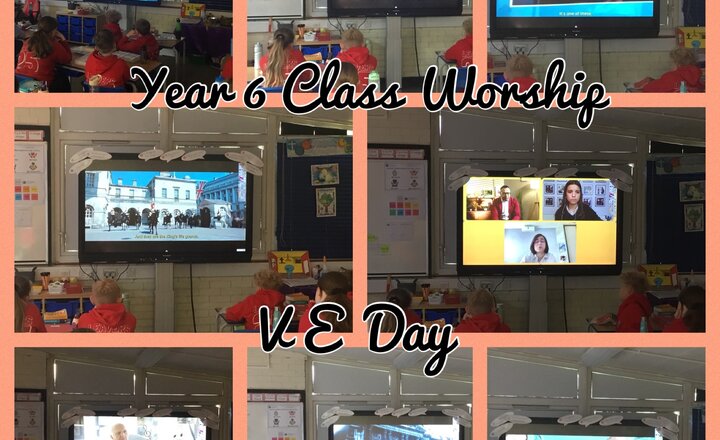
Year 6 - VE Day 80
This morning, year 6 took part in a live assembly to commemorate VE Day. They discovered that although it is a day to celebrate, the end of the war heightened the sense of sadness in people as they reflected on the people they had lost. The children were shocked to hear that 70,000,000 people worldwide lost their lives during the conflict. They also heard from Frank Chester, a 108 year old war veteran, who spoke of his experiences of WW2. A truly remarkable human!
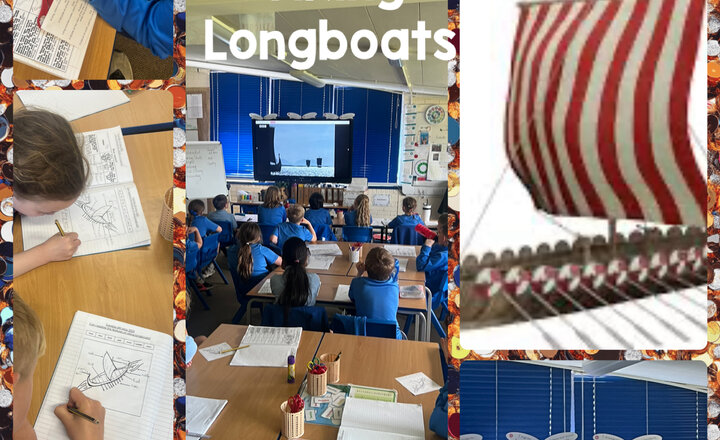
Year 4 British History - Exploring the features of a Viking longboat
In our history lesson this week we have been exploring the features of a Viking longboat, describing how these features contributed to Viking success and identifying the most important parts of the boat. Whilst researching, we found that the Vikings built longboats to raid, battle, explore and transport goods. They were between 13 and 23 metres long and were long, narrow and light so they could move around quickly. The children worked hard to identity the key features by adding labels following watching a short clip.
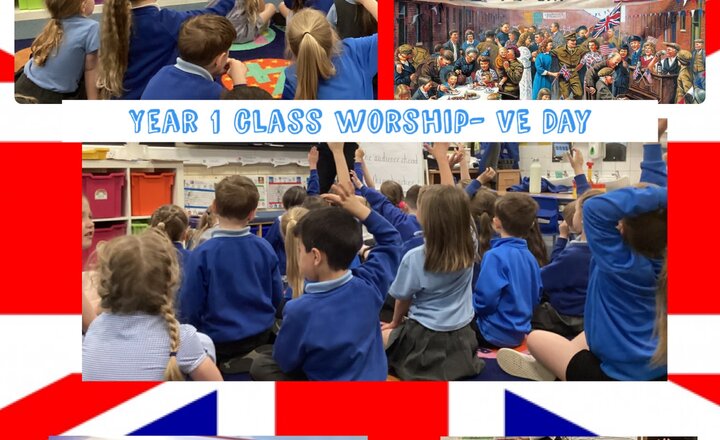
Year 1 Collective Worship- VE Day 80th Anniversary
Today in class worship, Year 1 were introduced to VE Day and explored its meaning. They learnt that it means ‘Victory in Europe Day’ and how tomorrow (8th May) will mark this by celebrating 80 years since the end of World War II. Year 1 understood the significance and joy that this would have brought to everyone in Europe. They looked at pictures of people having street parties, dancing and singing and understood that this would have been a time of great relief and happiness where people could live more peacefully and not have to fear for their own lives or the lives of their friends and family. Year 1 are looking forward marking the occasion on Friday by wearing the colours of the Union Jack.
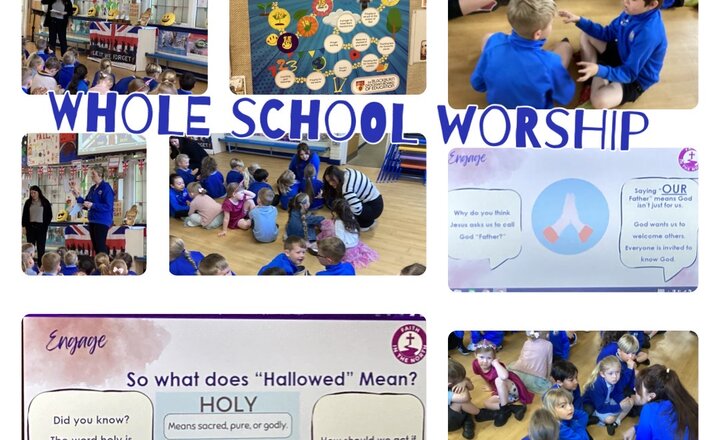
Whole School Worship - V.E. Day & The Lord’s Prayer
Our worship began with an introduction to V.E. Day. Mrs Ham gave a short explanation about the Second World War and the celebrations that took place after Europe’s victory in 1945. There will be a number of worships and activities taking place across the week to commemorate 80 years since the end of World War II, including our Red, White and Blue day on Friday. Mrs Ham and Mrs Araujo then launched this week’s Year of Prayer activities. Our focus was then directed to The Lord’s Prayer. Mrs Ham spent some time explaining the first few lines to make sure everyone in our school family understands what they are praying about when they recite The Lord’s Prayer. We focused particularly on the word “hallowed” and that this means holy. We shared our ideas of how we can carry out God’s wishes and that we can all try to be like saints. The children had some extremely thoughtful ideas about welcoming people and why it is important to make others feel welcome. We finished by reciting The Lord’s Prayer once more and then singing one of our favourite worship songs, My Lighthouse.
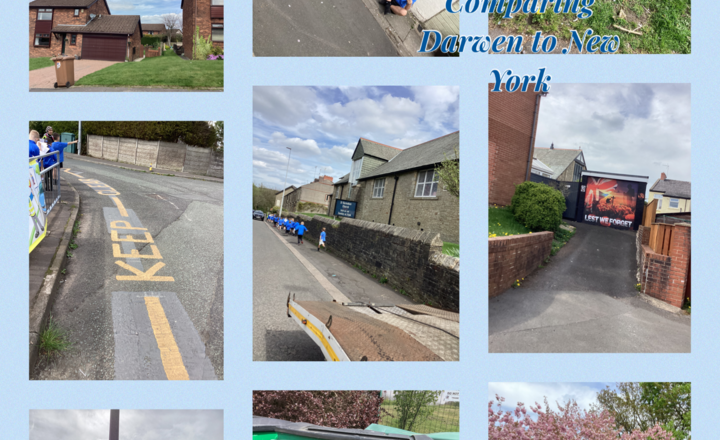
Year 3- Geography- Living Life to the Full-Comparing Darwen and New York
As part of our Geography topic on the United States of America, Year 3 have been investigating their local area, taking note of the physical and human features in their surroundings. During our walk, we stopped to talk with Mrs Singleton’s brother-in-law, who shared some fascinating facts about Darwen’s famous India Mill and its history. As we continued, we spotted an old tramline, a reminder of the past when trams used to travel between Blackburn and Darwen. We also noticed a boat in someone's garden, which sparked lots of excitement and curiosity! The children made some brilliant observations, noting that the streets in Darwen look much narrower compared to the wide, bustling avenues of New York. They also commented that the houses here are much smaller, and overall, Darwen feels a lot quieter and less busy than the lively streets of New York. Year 3 were living life to its fullest on this walk, embracing every opportunity to explore, learn, and wonder about the world around them. These real-world experiences will help the children when discussing the similarities and differences between Darwen and New York in class. Well done, Year 3, fantastic geographers in the making!
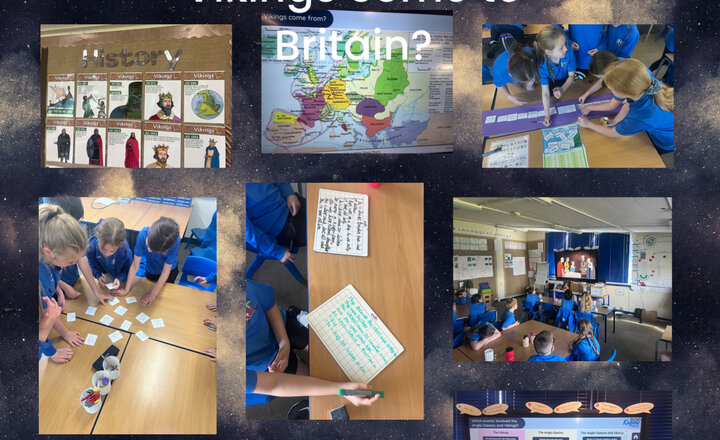
Year 4- Why did the Vikings come to Britain?
Today we started our new history unit - Vikings in Britain. We looked at reasons as to why the vikings invaded Britain, sequenced key events and then created a timeline. We worked in groups to mark the beginning and end of the Viking period from 793AD to 1066AD and then we worked and sorted through all of the events to ensure that they were in chronological order. Towards the end of the lesson, the children presented what they had found and shared key information about where the Vikings had come from, how they got to Britain and how things changed for the Anglo Saxons when they arrived.
.jpeg)
Year 4 History - Was King Alfred really ‘ Great’?
In our history lesson this week we have been studying Alfred the Great. We were learning about the threat that the Vikings posed to the Anglo- Saxons, exploring sources for bias and deciding whether or not Alfred was a ‘great’ king. The children watched several clips in order to gather information about King Alfred and recorded their notes on whiteboards. Next they discussed key questions as to why he became king, which parts of England he ruled and who were his enemies. We found out lots of key facts and then added these to our sheets. We now know that King Alfred only became king as his two other brothers died and he was next in line, he ruled Wessex as it was the only kingdom left and Guthrum the Viking Leader was his arch enemy.