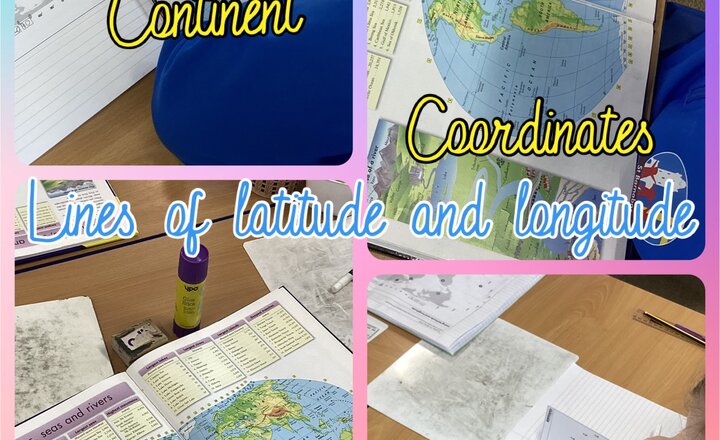
Year 3 - Geography
Today in Year 3, we explored lines of latitude and longitude and how they help us locate places on a map or globe. The children learned that latitude lines run horizontally, measuring how far a place is north or south of the equator, while longitude lines run vertically, measuring how far a place is east or west of the Prime Meridian. Thanks Mr Bloomfield, our Geography subject leader, for a brilliant lesson!
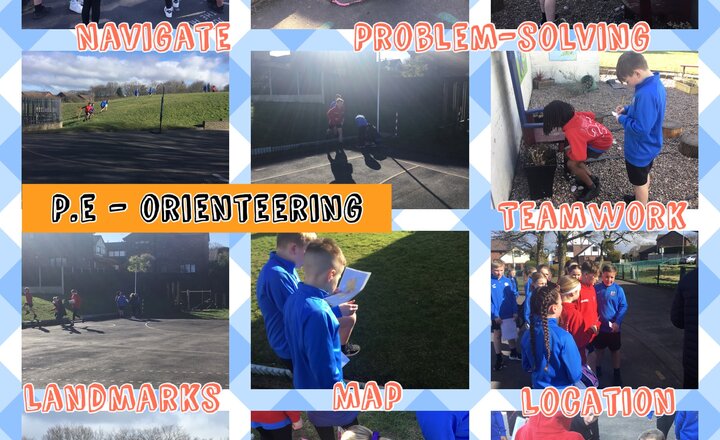
Year 6 P.E - Orienteering
Year 6 are really enjoying their new P.E unit on orienteering! The children have been learning how to re-set their map as they move around the school grounds, so that they can locate certain landmarks. Working co-operatively with a partner, the children had to navigate their way around school, retrieving information. It was a lot of fun!
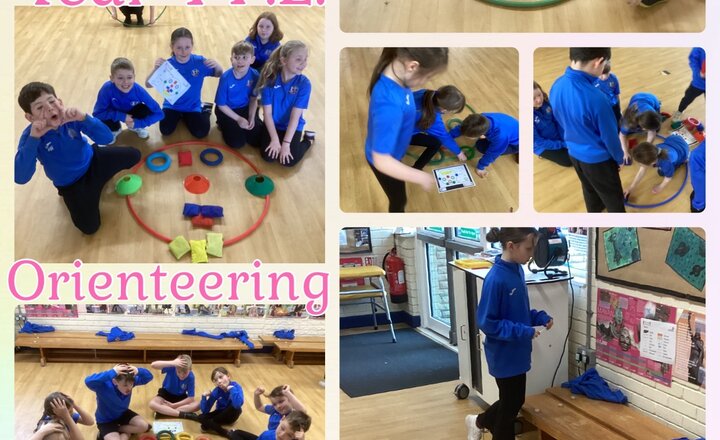
Year 4 - P.E. : Orienteering
This week, our Year 4s have been learning to read maps with a key in P.E. The character development focus is teamwork, and the teams that were the most successful were those that planned out what they would do, shared out roles and listened to each other. They read the funny face maps really well and so we had time to work on understanding common symbols in a key through a symbol and word card matching game. Next, they will be heading outdoors to familiarise themselves with the map of the school grounds.
.jpg)
Reception: Police Visit
Our Reception class loved their visit from the Police Community Support Officers today called Annie and Reece. They learnt about their jobs, who to call in an emergency and the different police vehicles. The children also listened to the police siren, saw the flashing lights and were all able to sit in the police car.
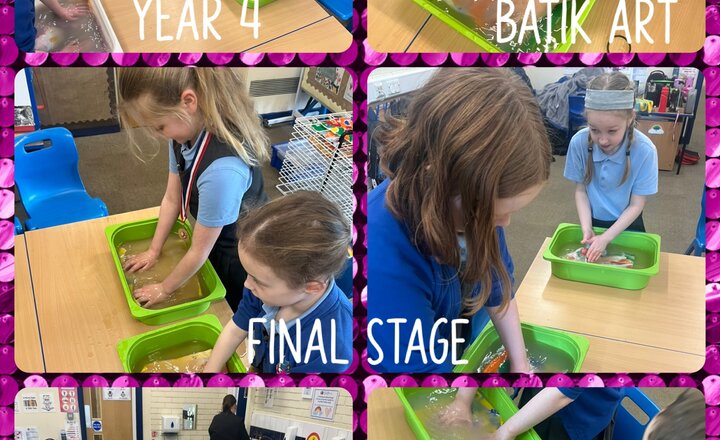
Year 4 Art- Batik - Final stage Washing Process
In our final art lesson we completed the washing process of batik. The children each had a tray in which they washed their fabric which had both acrylic paint and pva glue covering it. We then placed each piece of fabric on the drying rack which once dry will be the final article. The children have really enjoyed the whole process and we are all looking forward to displaying these wonderful pieces of artwork.
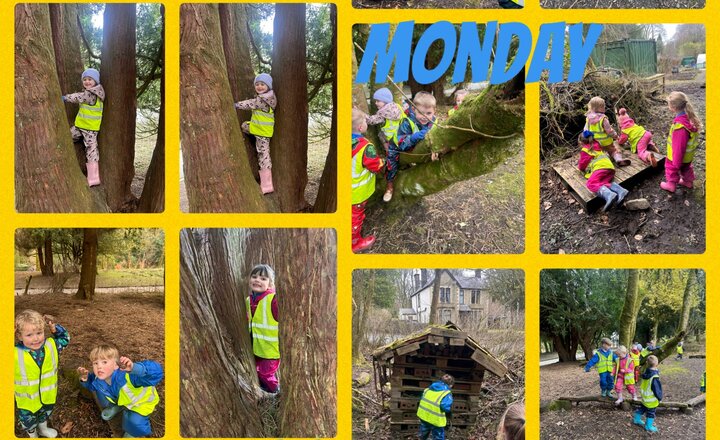
Reception: Muddy Monday
Our Reception class went to Whitehall park for the first time for their Muddy Monday session. They found pine cones, climbed trees, looked for minibeasts and made dens. The children loved exploring the area for their forest schools session and we can't wait to visit again soon.
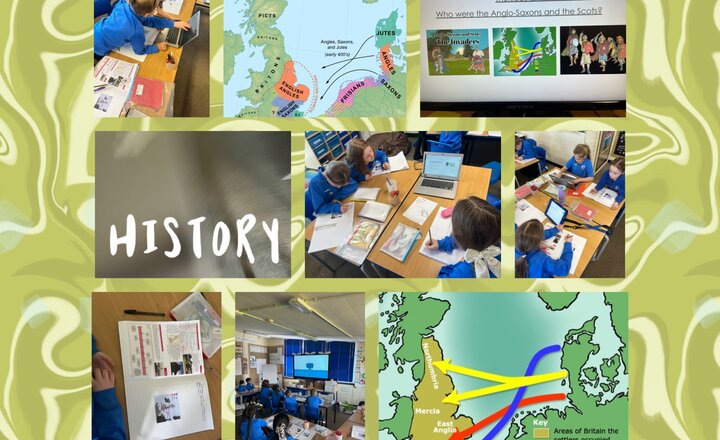
Year 4 History - Who were the Angles, Jutes and Saxons?
This half term we will be looking at how easy it was to invade Britain. Today we focused on the next period of history following on from Roman Britain which was the Anglo Saxon invasion. In groups we researched who the Angles, Jutes and Saxons were and which countries they came from. The children worked really hard to develop their understanding of the routes that each of the groups took and which parts of Britain they invaded first.
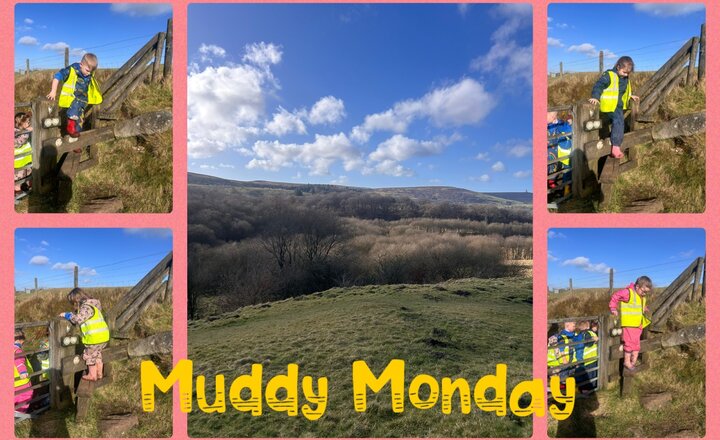
Reception: Muddy Monday
What a beautiful afternoon it was for our Reception class. The children enjoyed splashing in muddy puddles and loved the sunshine on their faces. The children are working hard to improve their walking stamina, we are slowly getting there and it is lovely to see how much progress they are making. The children enjoyed climbing today over the stile to get to the field. Some of the children were a little worried to do it but showed great perseverance and determination, well done!
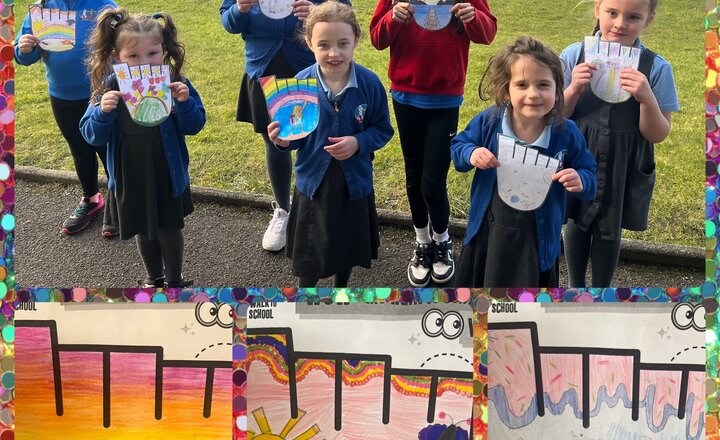
WOW Badge Design Winners
A huge well done to our seven WOW badge design winners! We had so many entries for the badges which made it very difficult to pick a winner from each class. Thank you to every child who created their designs and submitted them to the competition. We picked the top three from the age group winners which have been sent off to the national competition which closes this week so fingers crossed .
Year 3- Food Technology- Where does our food come from?
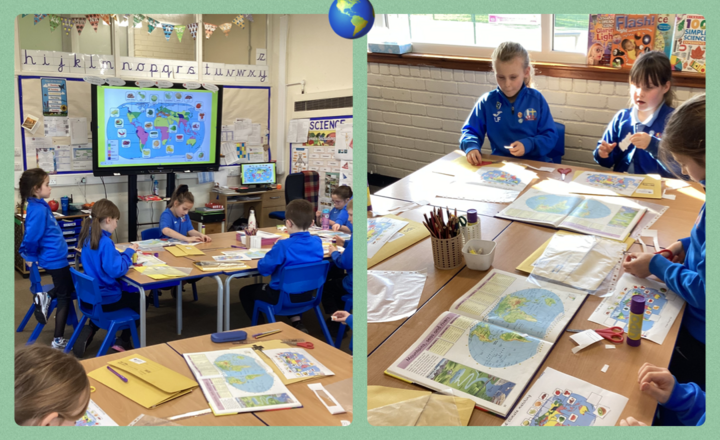
Today, Year 3 began their Food Technology unit by exploring how different foods grow in various climates. To remind ourselves, we explored the concept of climate zones, explaining that these describe the typical weather patterns of different parts of the world, including rainfall and temperature. The children discovered that the UK has a temperate climate, meaning it experiences four seasons, which affects the types of food that can be grown here. They also learned that different climates around the world allow different countries to grow specific foods. Using atlases, the children worked in pairs to locate countries where certain fruits and vegetables traditionally grow. This activity helped them understand the link between climate and food production. We also discussed how the UK’s temperate climate influences the food available to us and how this can impact our diets.
Year 3- Class Worship - Tourism - Should we be allowed to travel anywhere we like?
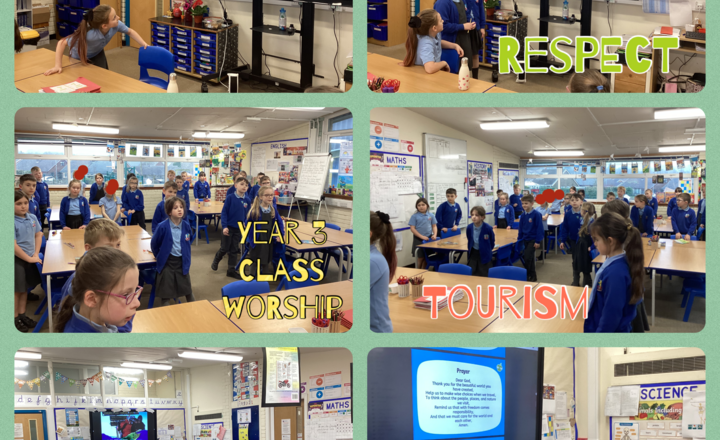
In class worship today, Year 3 explored the Christian value of respect, connecting it to the recent news about increased Everest climbing permit fees in Nepal. From September, peak season climbs will cost $15,000 (a 36% rise from $11,000), while off-season permits (Sept-Nov and Dec-Feb) will also increase by the same percentage, costing $7,500 and $3,750 respectively. These fees are a crucial source of income for Nepal, with climbing and trekking contributing over 4% to their economy. We discussed how our travel decisions impact the environment and the importance of responsible tourism that respects both the planet and its people, reflecting on what the Bible says about this. Children shared examples of local issues, like litter around Darwen Tower and how we should do our bit by not littering. We sang a hymn celebrating God's creation and asking for guidance in making thoughtful travel choices. A big thank you to Harry for leading our prayer, and to Lotti and Lyla for reading out facts about Everest climbers.
Year 1- Geography
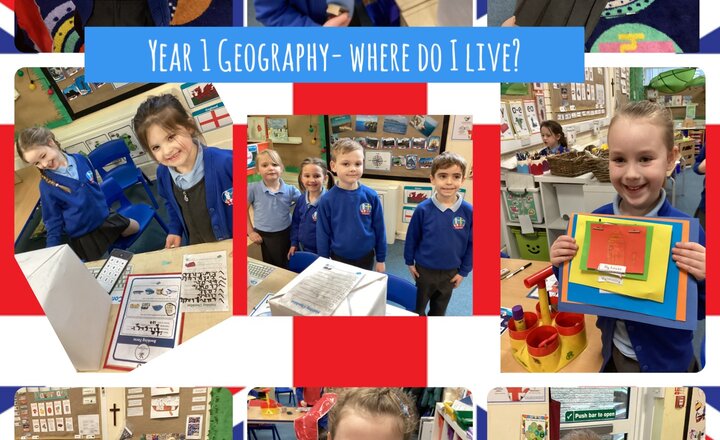
This week, Year 1 are enjoying a Geography themed Role Play and Investigation Area. In the Investigation Area, we have been creating our own booklets to represent where we all live on a larger scale and have gradually zoomed into where we live on a smaller scale. For example, we are part of the world and Europe but on a smaller scale we live in Darwen. In the Role Play Area, we have been taking on the role of a travel agent. We have had to book a holiday (in the United Kingdom) for a customer. The customer has had to choose a destination e.g. Scotland or more specifically Edinburgh and the travel agent has had to advise them about different types of accommodation and the best mode of transport. We understand that if we are travelling to Scotland, Wales or staying in England then a car, bus or train will be suitable but if we are travelling to Northern Ireland then a boat or aeroplane would be necessary.