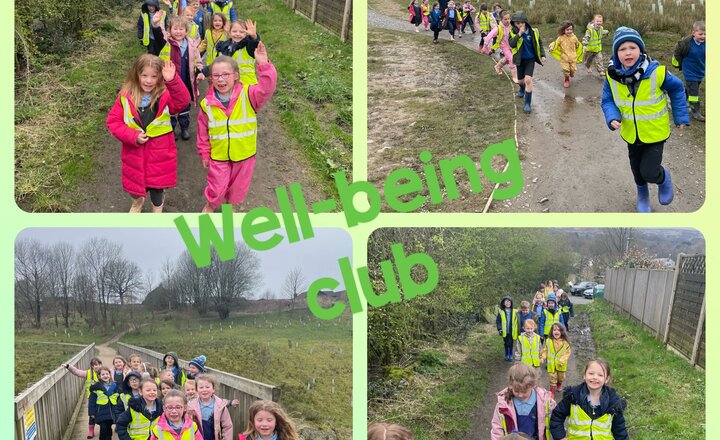
Well-being Club
For our final session, we walked to Jack Keys and enjoyed a nature walk! It was lots of fun and it was lovely to enjoy the outdoors with everyone.
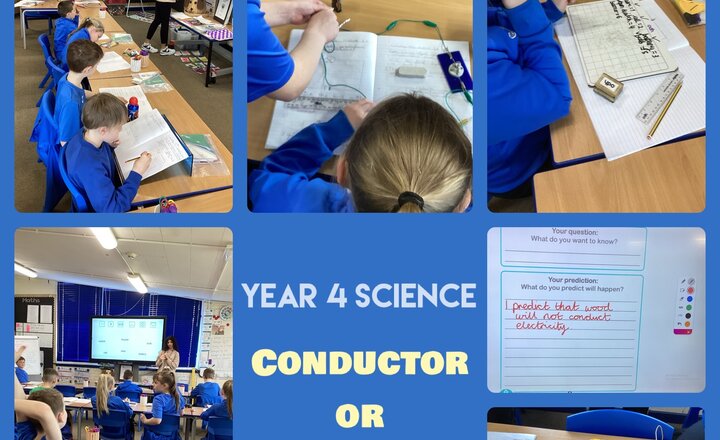
Year 4 - Science: Conductors and Insulators
Our Year 4 scientists had a great time learning about conductors and insulators this week. They spent time investigating a range of materials for their ability to let electricity pass through them. They connected each material to their circuits in turn and observed the bulb to see if it lit up.
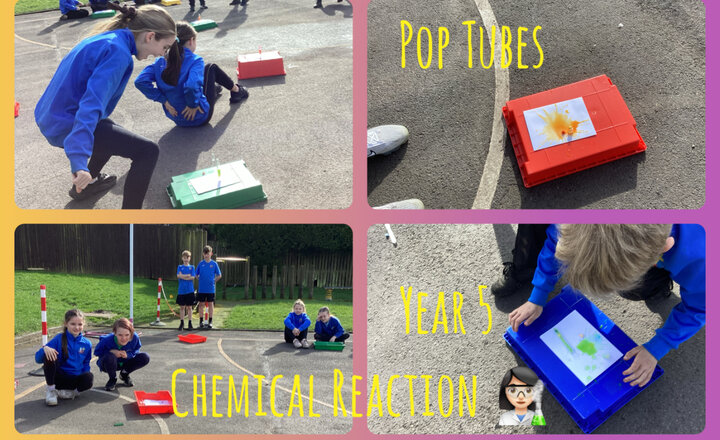
Year 5 - Science Experiment
Today, Year 5 investigated the chemical reaction that takes places when mixed coloured tablets and vitamin C in a liquid. The children mixed them in a tube and pointed them upright. As the chemical reaction takes place it creates pressurised carbon dioxide to push the test tubes into the sky. The children enjoyed the experiment and explored the variety of factors that make it go even higher.
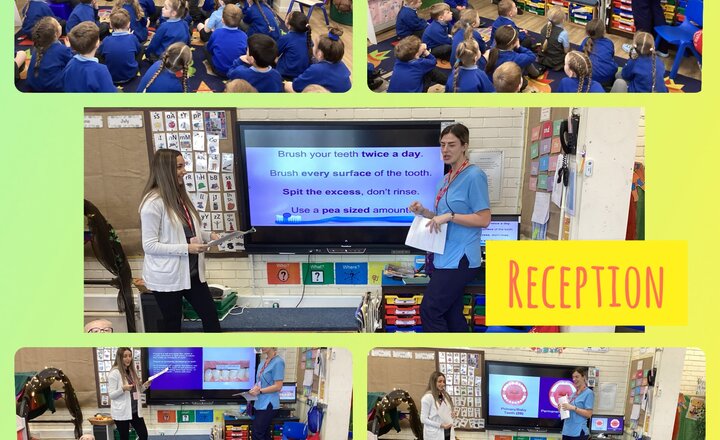
Reception Dentist visit
This morning reception had a visit from two dentists who were here to tell us all about how we can keep our teeth and gums healthy. Reception were keen to ask questions and listened well. Super work Reception!
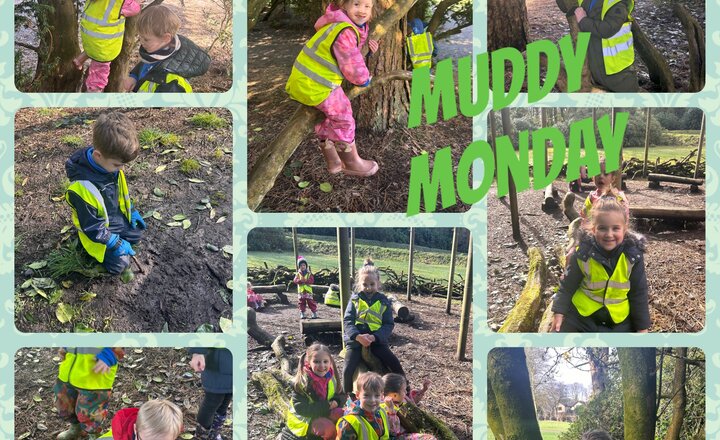
Reception: Muddy Monday
Our reception children really enjoyed our Muddy Monday session today at Whitehall park. They climbed up trees, created a cafe, travelled on a ‘steam engine’ and created a bug hotel. Super imaginations!
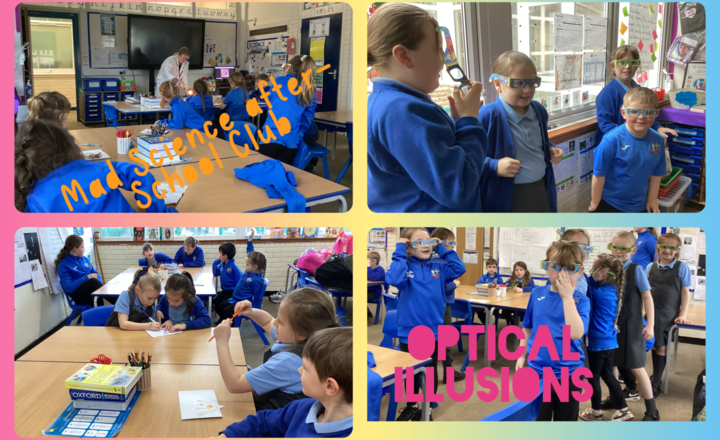
Mad Science After-School Club- Optical Illusion
Our after-school club began with a thrilling start, as the future Scientists embarked on an exhilarating journey into optics, reflection, and sight! With a cool gadget called a camera obscura, they watched as pictures changed right before their eyes. They had a blast learning about light and vision.
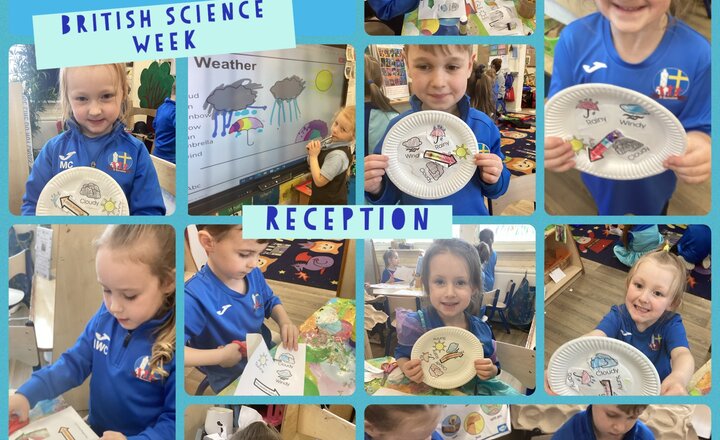
Reception British Science Week - Weather Charts
For British Science Week, we have been looking at the weather locally! We looked at the weather forecast for Darwen for the week and discussed the different types of weather we often get. Then we made our own weather charts in the creative area that we can use at home to show when the weather changes.
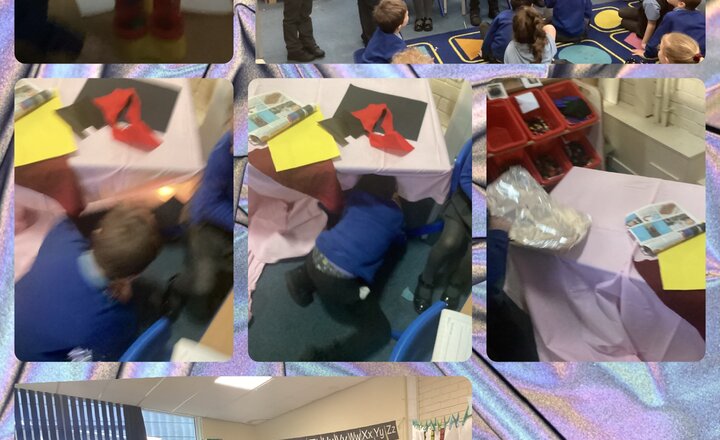
Year 1 Science- Reflective Materials
In their science lesson, Year 1 were exploring reflective materials. They took a variety of materials (tin foil, dull black paper, shiny black paper, mirrored plastic, newspaper, brightly coloured paper, brightly coloured fabric and dark fabric) into a dark tent to see whether they were or were not reflective. They shined the torch at the material to see whether the light did or didn’t bounce back. They decided that all of the materials reflected some light. Therefore, to help us to decide the properties of the most reflective items, we used a data logger. By using the data logger, we found out that tin foil and mirrored plastic were the most reflective and black dull paper was the least reflective. We came to the conclusion that the most reflective materials are shiny and bright.
Year 6 British Science Week
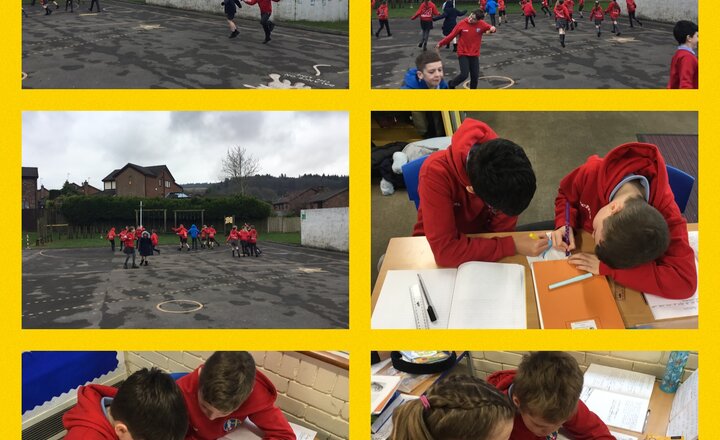
In year 6, we investigated how the theme of time links to the topic of evolution and inheritance. We discovered that evolution of a new species can take millions of years and that adaptations happen over time. To illustrate this point, we focused on butterflies. The children created their own butterflies and they had to choose an appropriate habitat for them to hide in when the predator was on the hunt. We discussed how the butterflies that survived are more suited to their environment and they are more likely to reproduce and have an offspring that is also suited to its habitat. This is called natural selection.
Year 5 - British Science Week
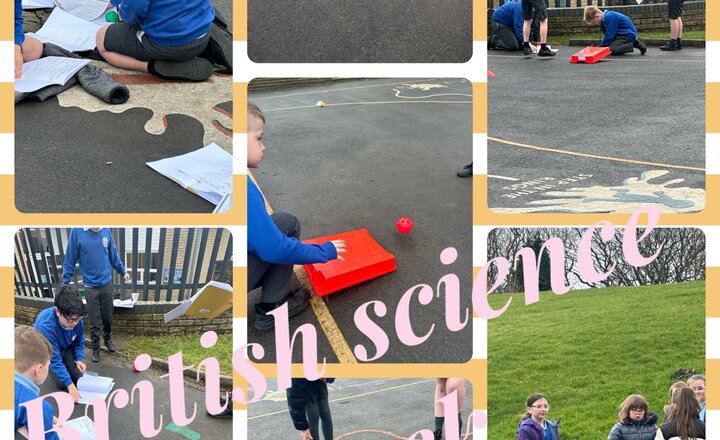
For this years science week year 5 have been focusing on time. Our class looked at the force of friction and its uses within the wider world. The children tested four balls on rough surface and recorded the time it took them to reach a given target. The children drew on many conclusions on the speeds of each ball and how much friction was being exerted. This then determined how quickly and smoothly each ball reached their target.
Year 4 - English: Technical Vocabulary
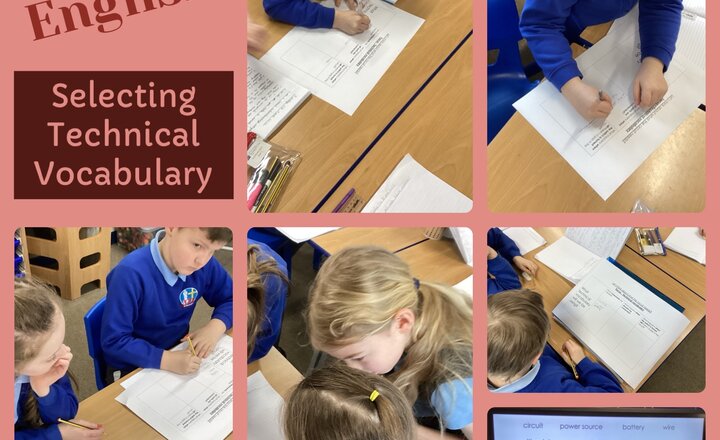
Our English unit is linked to our science work at the moment, which falls perfectly in line with British Science Week! In Year 4, we are currently learning to write an explanation text about how circuits work. In this lesson, we were selecting key scientific vocabulary to answer a specific question. We then used our chosen vocabulary to craft a paragraph to explain what a circuit is and how it works.
Year 3- British Science Week- Time- Experimenting Yeast Burps every 15 minutes for 45 minutes.
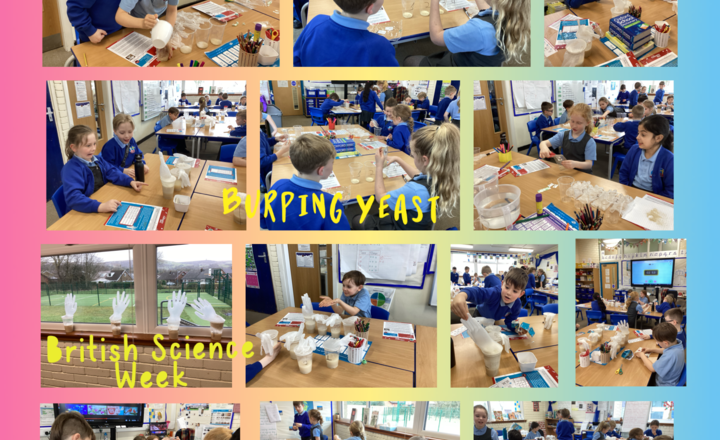
The future Scientists of Year 3 had a fun science project for British Science Week, all about making electricity without burning coal. Working in pairs, they had four cups, each numbered 1 to 4, with yeast added to all of them. Cup 1 got 150ml of cold water, cup 2 got the same amount of warm water, cup 3 had warm water and a teaspoon of salt added, and cup 4 had sugar and 150 ml of warm water. They secured the cups with gloves and rubber bands to keep air in. They observed what was happening every minute 15 minutes for 45 minutes to see how things changed over time. Before experimenting, Year 3 predicted what might happen. Some thought the yeast would turn into flour or make the gloves fly! But they were amazed by what happened. As time passed, the yeast made a gas called carbon dioxide. This gas filled the gloves, making them blow up like balloons. Cup 4 had the most respiration because it contained sugar. As the yeast consumes the sugar, it releases carbon dioxide gas. With nowhere else to go but upwards, this gas gradually inflates the glove. The whole experiment wowed the kids! It was fun celebrating science during British Science Week, with a theme of time.